Residential battery inventories soaring in Europe, says S&P Global
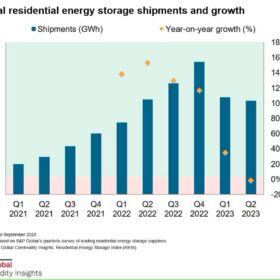
European warehouses are reporting extremely high inventory levels for residential energy storage systems, with aggressive prices expected, as distributors need to start clearing their stocks, according to S&P Global.

India’s steel, cement plants need $627 billion to go net zero
A CEEW study calculates the cost of decarbonizing the steel and cement production plants in India. It also finds carbon capture and storage, if successfully scaled up, could abate 56% of emissions from the steel industry.
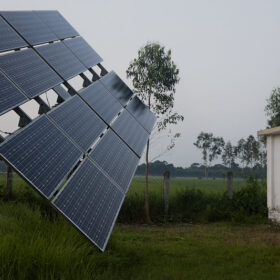
Bangladesh introduces rooftop PV requirement for big, new buildings
Bangladesh has implemented a new rule stating that new buildings with rooftop spaces exceeding 92.2 square meters must install net-metered solar power systems as a prerequisite for grid connection.
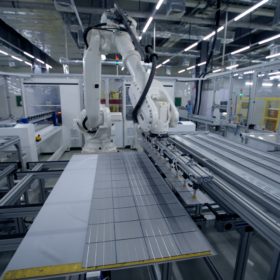
India’s emergence as a credible option in renewables supply chain
Clean technology and ancillary equipment offer a cumulative $300-400 billion sales opportunity for Indian manufacturers within this decade, according to a new report by KPMG that says India has the potential to emerge as an alternative in the renewable energy supply chain.
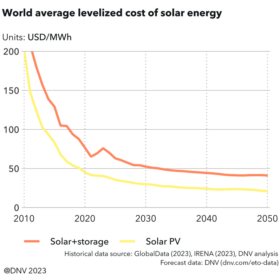
World: Solar PV LCOE expected to slide to $0.021/kWh by 2050, says DNV
By mid-century the levelized cost of energy (LCOE) for solar PV will be $0.021/kWh, a new report by risk management company DNV predicts. The learning rate for solar is predicted to decrease from 26% to 17% by 2050.
Birla Carbon acquires Belgian nanotube manufacturer to drive growth in lithium battery materials
Birla Carbon has acquired Belgium’s carbon nanotube manufacturer Nanocyl as it looks to establish a leadership position in materials critical to lithium-ion battery performance.
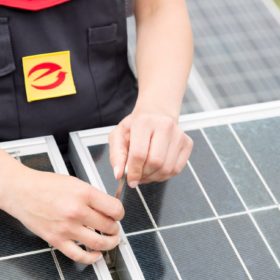
How women are driving the sustainable energy transition
The sustainable energy transition transcends the ambit of technological change; it is, fundamentally, a societal transformation. Women, constituting half of the global population, assume an unequivocally vital role in this paradigm shift.
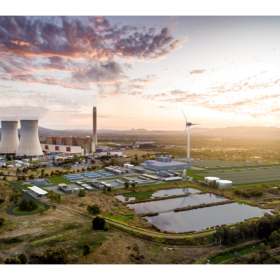
Stanwell partners with Queensland manufacturer on ‘world’s largest’ iron flow battery
Electricity generator Stanwell Corporation has supersized its plans to develop grid-scale iron flow battery storage systems in collaboration with Queensland-based battery manufacturer Energy Storage Industries – Asia Pacific, announcing a binding agreement that could deliver a 150 MW commercial battery by as early as 2029.

A reaction to Rystad’s recent estimates on European solar module stockpile
Rystad Energy has abruptly changed statements about photovoltaic module stocks in the EU. German PV analyst Karl-Heinz Remmers questions the numbers from the Norwegian consultancy and provides different figures.
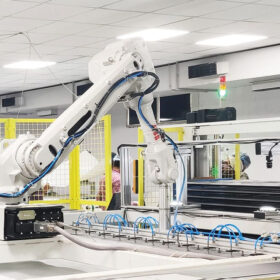
Recipe for expansion
After years of debate, the Indian government made domestic manufacturing a central feature of renewables policy in 2021. The pivot came as the government sought economic growth and self-sufficiency following a border conflict with China. Vinay Rustagi, managing director of Bridge to India, says that trade barriers, subsidies, lower taxes, and demand growth have created the perfect recipe for expansion.