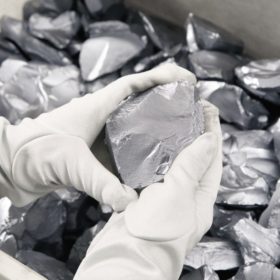
Wafer, cell prices continue to rise
Wafer prices rose by between 24% and 36% this week, according to new data from the China Nonferrous Metals Industry Association (CNMIA).
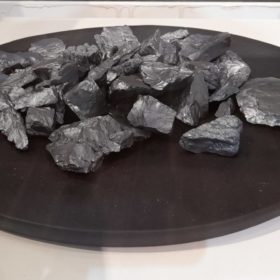
Polysilicon price rebound continues
Polysilicon prices started to rise in the second half of January, according to new data from the China Nonferrous Metals Industry Association (CNMIA).
India surpassed one million EV sales in 2022
Electric vehicles (EV) sales in India soared 212% year-on-year to surpass one million mark in 2022.

Gujarat targets 8mtpa green hydrogen production capacity by 2035
The state aims to emerge as a green hydrogen hub and decarbonize energy-intensive industries like fertilizers, steel, chemicals, and petroleum.
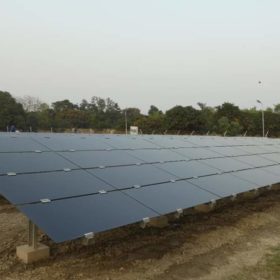
Minigrid operator Husk Power achieves profitability with India leading the way
Bihar-based Husk Power Systems, which serves rural Asia and Africa, became EBITDA positive in the fourth quarter of 2022 in India and Nigeria.
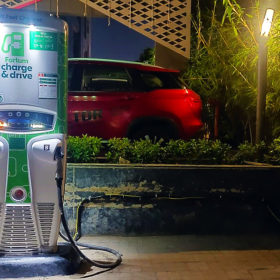
IESA launching India Electric Mobility Council
India Electric Mobility Council will work with the government and various stakeholders to address the barriers to EV adoption. Focus areas also include safety & standards, charging infrastructure development, battery swapping, and V2G mechanism for India.

Is floating solar PV the future?
The major impediments to floating solar photovoltaics (floatovoltaics) are the high cost of materials and the complex installation involved.
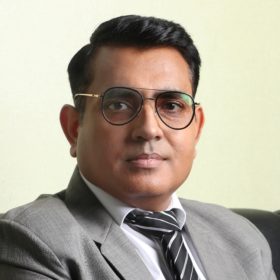
Solar in 2023
Here are three trends in the solar sector that will gain momentum in 2023, leading to wider PV implementation.
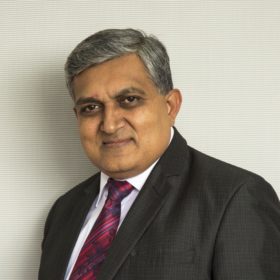
“2022 was an eventful year for solar manufacturing”
pv magazine speaks to Dr Hitesh Doshi, chairman and managing director of Waaree Energies, to know about the progress of solar manufacturing in India in 2022 and the way forward.
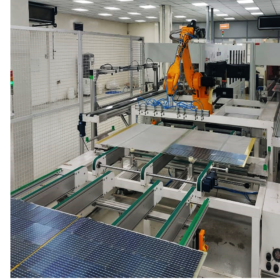
Saatvik appoints solar panel distributor for Rajasthan
Haryana-based Saatvik Solar has appointed Etrica Power as the distributor of its solar panels in the Rajasthan region.