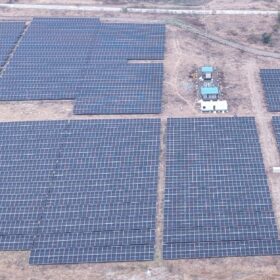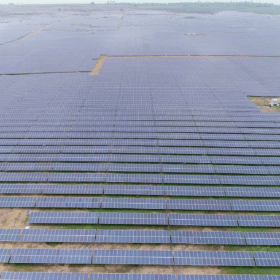
New study estimates India’s solar potential at 10,830 GW
A new study by The Energy and Resources Institute (TERI) has estimated India’s total solar potential at 10,830 gigawatts (GW), significantly higher than the previous 2014 assessment of 748 GW by the Ministry of New and Renewable Energy (MNRE). The study revisits conventional solar deployment areas such as barren and unculturable lands and explores additional avenues to expand the country’s solar potential.

U.S. residential solar on the brink of collapse
Residential solar is on a downturn, and things may get worse. In a shock for the industry, the latest draft of the “One Big Beautiful Bill Act” excludes residential solar lease providers from the Investment Tax Credit.

Indosolar shares to resume trading from Thursday
Solar manufacturer Indosolar Ltd’s equity shares will resume trading on the stock exchanges from Thursday, June 19, 2025. The shares will be listed under the ‘T’ Group of Securities and will trade under the scrip ID WAAREEINDO.
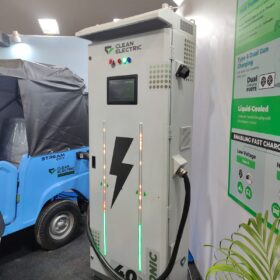
Electric two- and three-wheelers already cheaper to own than petrol variants: CEEW
Electric two-wheelers have a lower total cost of ownership (TCO) of INR 1.48/km than INR 2.46/km for petrol models. Three-wheeler EVs cost INR 1.28/km versus INR 3.21/km for petrol.
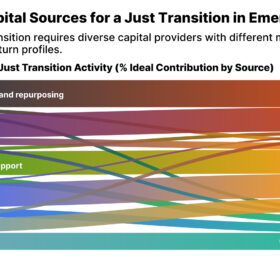
Targeted co-financing to support a just transition in emerging economies: IEEFA
Supporting a Just Transition in emerging economies requires not only large-scale capital for infrastructure such as renewables but also targeted financing for communities and small businesses. Capital should be matched to specific activities based on risk and impact, says a new report by the Institute for Energy Economics and Financial Analysis (IEEFA).

ReNew Q4 profit soars 415% YoY on solar manufacturing boost
ReNew’s net profit for the quarter ended March 31, 2025 surged 415% year-on-year to INR 313.7 crore ($37 million) with external sales of solar modules and cells alone contributing INR 220 crore.

How the EU’s Omnibus will impact Indian companies?
The Omnibus Proposal’s sustainability mandates can either unlock new market opportunities and enhance India’s global standing, or create trade barriers that can damage brand’s reputation and hamper profits. Indian businesses can’t afford to ignore this shift.

Sunnova files for bankruptcy
US residential solar company Sunnova has entered into asset and power purchase agreements to support operations while it seeks a buyer.
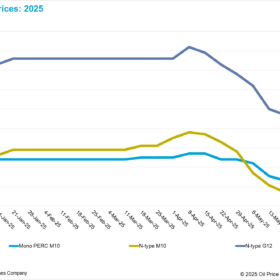
Solar wafer prices decline 22.78% since April peak
In a new weekly update for pv magazine, OPIS, a Dow Jones company, provides a quick look at the main price trends in the global PV industry.

India’s solar backbone can’t be outsourced: A case for secure, homegrown inverters
In a world where electricity defines sovereignty, allowing foreign-made devices to sit at the core of India’s solar infrastructure is nothing short of national negligence. In today’s age, power is not just electricity—it is sovereignty. We cannot afford blackout-level vulnerabilities induced by foreign-made solar inverter hardware with security loopholes.