Why solar power can’t just be industries’ CSR afterthought
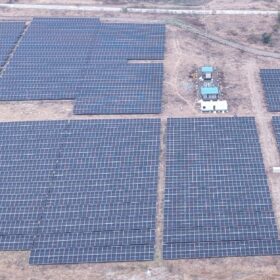
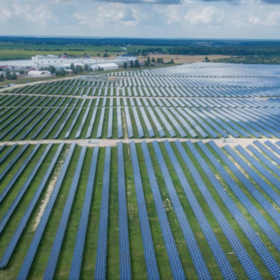
Companies that treat solar as a core part of their energy strategy, rather than a side initiative, often see these benefits play out with striking clarity. The investment case is strong. In most cases, payback happens within five to seven years. After that, solar becomes a net-positive contributor to the balance sheet.
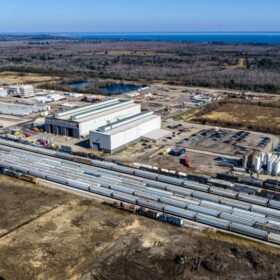
John Cockerill Hydrogen raises €116 million to drive global growth
The amount covers nearly all the funding required to accelerate the development of John Cockerill’s hydrogen business, including the rollout of next-generation pressurized alkaline electrolyzer technologies and international expansion.
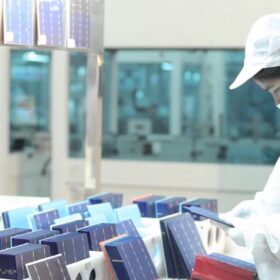
JinkoSolar achieves world record efficiency of 27.02% for TOPCon solar cell
The Chinese manufacturer said the result was certified by China’s National Photovoltaic Industry Measurement and Testing Center (NPVM).
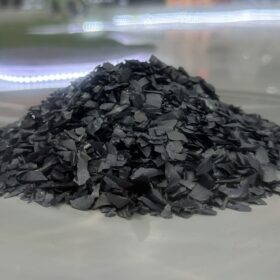
Polysilicon glut may reverse into shortage by 2028, says Bernreuter
China’s polysilicon output hit 3.25 million metric tons (MT) in 2024, driving global prices below $4.50/kg, says Bernreuter Research. The Germany-based market analytics firm warns the market could swing to a shortage by 2028 if capacity cuts overshoot.

From rewards to responsibility: The business case for eco-conscious loyalty programs
The shift from transactional rewards to eco-conscious loyalty programs isn’t just a trend; it’s the future. By integrating renewable energy, sustainable practices, and environmental responsibility into loyalty structures, brands can drive engagement, create meaningful connections, and contribute to a more sustainable future.
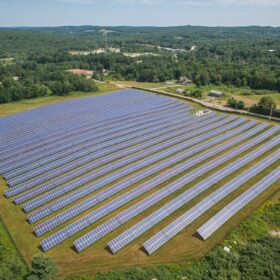
Mitsubishi announces $3.9 billion investment in U.S. community solar
Nexamp will receive investment to build community solar projects, reported Tokyo-based news outlet Nikkei.

Attero to invest INR 100 crore to scale rare earth element recycling capacity to 30,000 tonnes
Attero will invest INR 100 crore to expand its rare earth element (REE) recycling capacity from the current 300 tonnes to 30,000 tonnes annually over the next 12 to 24 months.
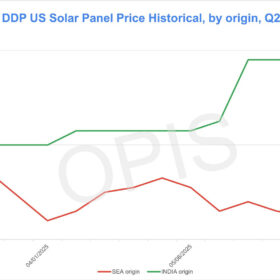
US panel price spread widens between India and Indonesia/Laos origin
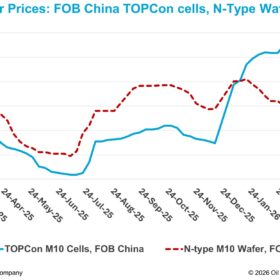
In a new weekly update for pv magazine, OPIS, a Dow Jones company, reports that US-assembled modules with imported cells continue to be heard between $0.26/W and $0.33/W, while modules with domestic content – which are still limited to just a handful of producers – are generally quoted between $0.4/W and $0.5/W.
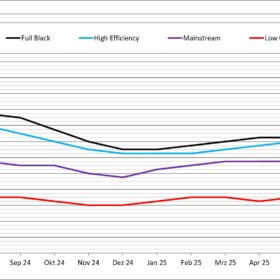
Solar module prices in Europe falling with no clear trend in sight
Solar module prices in Europe have fallen by up to €0.01 ($0.01)/W this month, according to pvXchange.com, as the PV market shows resilience amid policy uncertainty and geopolitical risks.
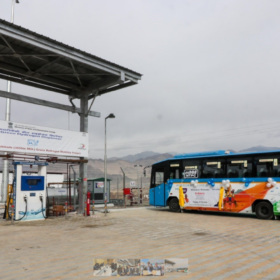
The Hydrogen Stream: NTPC hands over five hydrogen fuel cell buses to Leh Administration
This marks India’s first commercial deployment of hydrogen fuel cell buses and the world’s highest-altitude green hydrogen mobility project.