Australian Clean Energy delegation visits India to further deepen their engagements
A 30-member Australian Clean Energy Delegation representing 22 companies, is visiting India from July 7 – 11, 2025 to showcase Australia’s innovative solutions across energy storage technologies, AI solutions for energy operations, solar technologies, green hydrogen, energy modelling and weather forecasting, education & capacity building and consulting.

Powering a greener future through India’s clean energy transition
As India adds more intermittent renewables like solar and wind to its energy mix, modernising the electricity grid becomes a priority. Grid expansion, integration of battery storage systems, and digital monitoring tools are critical to accommodate fluctuations in generation and demand.
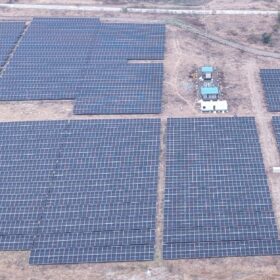
India installed 17.4 GW utility-scale solar, 5.15 GW rooftop PV capacity in FY 2025: JMK Research
Rajasthan led the annual solar additions with 6.5 GW, followed by Gujarat (3.6 GW) and Maharashtra (2.3 GW).
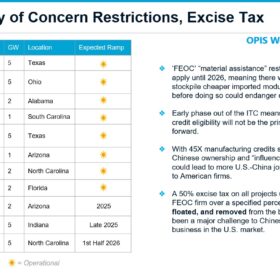
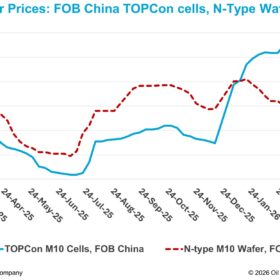
US solar panel price from India stable at $0.288/W
In a new weekly update for pv magazine, OPIS, a Dow Jones company, provides a quick look at the main price trends in the global PV industry.

US House passes sweeping bill, leaving solar industry reeling
Despite vocal bipartisan support for clean energy tax credits, US House and Senate Republicans failed to adjust policies that would continue the rapid buildout of domestic clean energy.
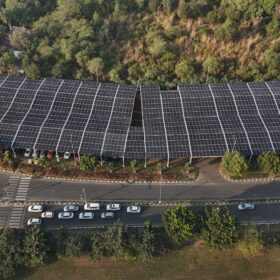
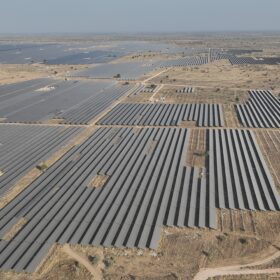
India’s next solar frontier: Captive projects are powering industrial self-reliance
Industrial belts in Punjab, Haryana, Maharashtra, Gujarat, and Tamil Nadu are becoming hotspots for captive solar. The drivers vary from steep tariffs and policy incentives to strong ESG commitments by export-oriented businesses, but the result is the same: a distributed solar network powering India’s industrial economy.
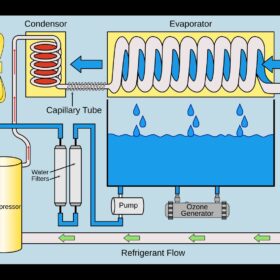
Photovoltaics for atmospheric water harvesting
A scientist in Turkey has simulated eight PV-supported hybrid atmospheric water harvesting systems and compared their performances. They were all considered to operate with R1233zd(E), R1234yf, and R600a, as well as R32 refrigerants. The required PV system size was as low as 20 m2.

The impact of module pricing on solar project viability: Trends and predictions
India’s solar sector faces rising module costs due to recent developments, including the imposition of anti-dumping duties on solar glass and China’s reduction in export rebates on solar modules, impacting project viability. These shifts underline the delicate balance between promoting local manufacturing, pursuing geopolitical strategies, and navigating the economic realities of global trade.
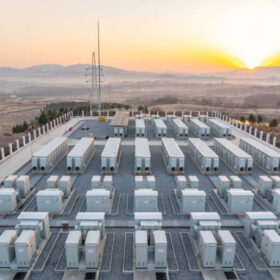
VGF incentive cut may raise BESS tariffs by 10%, but impact likely temporary: SBICAPS
A new report by SBICAPS anticipates that the incentive cut under the second phase of the viability gap funding (VGF) scheme for standalone battery energy storage systems (BESS) could lead to a tariff increase of around 10%. However, it adds, this increase is manageable and could be absorbed in the coming months as capex costs continue to decline.
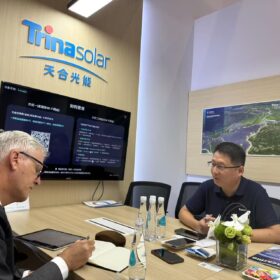
Trinasolar targeting ‘high-value’ markets
Yang Bao, Trinasolar’s president of global sales and marketing, recently spoke with pv magazine about the company’s strategy for the solar and energy storage business.