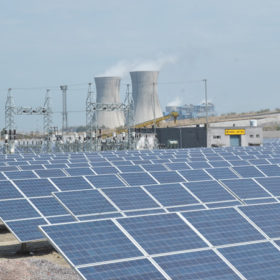
IREDA replaces SECI for 12 GW CPSU solar scheme
The financial lender will now oversee the implementation of the second phase of the Central Public Sector Undertaking (CPSU) Scheme which provides viability gap funding (VGF) support for state-run generators to set up 12 GW of solar projects using domestically-made equipment by FY 2022-23.

Covid-19 impact: An interview with Amp Energy India CEO
Pinaki Bhattacharyya, Amp Energy India MD and CEO, speaks to pv magazine about the impact of Covid-19 pandemic on the solar industry and the ways in which the government can build a positive sentiment in the industry.
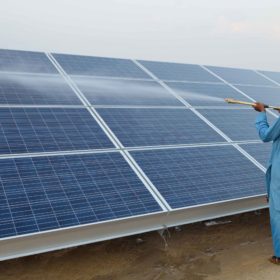
Malaysian firm acquires 37.5% stake in Rising Sun Energy
Yinson will pay Rs 554 million (RM32 million) for the stake, and additional funding of Rs 600 million (RM35 million) to repay certain outstanding liabilities of the Indian independent power producer which has two plants in the massive Bhadla Solar Park.
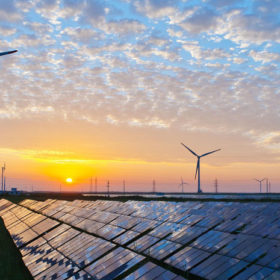
Covid-19: The right treatment for India’s solar sector with comorbidities
This article talks about the areas the government needs to address both immediately and in the long run to help the ailing solar industry in the country.

Can solar industry tide over the Covid-19 crisis?
Planning ahead is crucial to ensure the Indian solar industry bounces back quickly and the slowdown is not carried forward to 2021-22, say BloombergNEF analysts even as they estimate 75% fall in PV imports in the first quarter of year 2020 over the previous quarter and revise annual capacity addition forecasts.
Covid-19: Discom revenue dip could spell trouble for PV producers
Sliding electricity demand and declining commercial and industrial activity could prompt distribution companies to block or delay payments to solar power producers.
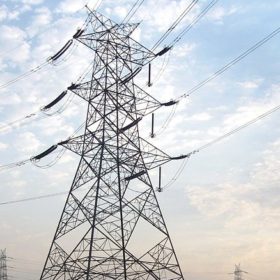
IndiGrid acquires Sterlite Power’s transmission project worth US$134 million
The project—East North Interconnection Company Limited (ENICL)—provides critical inter-state connectivity for evacuation of power from generation plants in the north-eastern region. It also aims to end power shortfall in Assam during non-monsoon months.
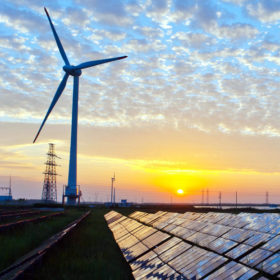
Blackstone could provide Indian energy security a strong boost
For one of India’s largest foreign investors, it’s time to invest in renewables.
Proposals invited for joint India-South Korea research in renewable energy and green mobility
Proposals must reach the Department of Science & Technology (DST), Government of India, and Ministry of Science and ICT (MSIT) of the Republic of Korea by May 8. Each selected project will be funded for a period of three years.
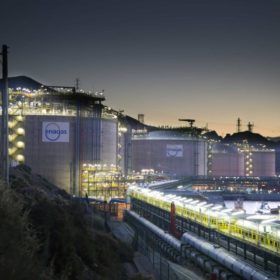
Is green hydrogen necessary to balance a renewables grid?
A report by Norwegian energy consultant DNV GL has considered the opportunity for long-term energy storage to play a role in balancing annual supply and demand fluctuations in a renewables-led grid. Using 58 years of Dutch weather and energy consumption data, the study found long-term solutions such as green hydrogen could make a valuable contribution – but perhaps not as much as some analysts believe.