Tata Cleantech secures US$30-million from UK investor CDC
The investment will enable Tata Cleantech to provide loans for green projects, including e-mobility solutions as well as water and energy efficiency.
Eden Renewables India secures US$165 million finance for 450 MW solar project
The project, currently under construction in Rajasthan, was won by the developer in a Solar Energy Corporation of India (SECI) auction.
The long read: Smarter robots to step up to service
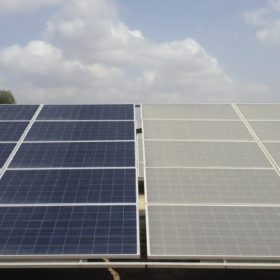
On Dec. 1, Tel-Aviv based robotic cleaning provider Ecoppia launched an initial public offering on the Tel Aviv Stock Exchange. In doing so, the seven-year-old solar startup raised $83.8 million from public and institutional investors – although heavily slated toward the latter. Jean Scemama, who joined Ecoppia as CEO in April 2020, says the IPO will allow it to double down on R&D efforts and expand into the provision of services.

The market for off-grid solar refrigeration
Standalone solar-powered refrigerators present a $20 billion opportunity in India for vaccine storage, milk chillers, households, micro enterprises, and cold storage for farm produce, according to a new report by Gogla.
World could add up to 194 GW of solar this year
Falling module prices will help PV post another record year after an estimated 132 GW was installed worldwide in 2020, according to an energy transition investment trends report published by Bloomberg New Energy Finance.
IFC says green recovery could drive $2.5tn renewables market this decade
The private-sector arm of the World Bank, which claims to leverage $3 of its own capital and $8 from third parties for every dollar invested in its blended finance funds, has attempted to quantify what devoting Covid recovery funds to green investment would mean for emerging economies.
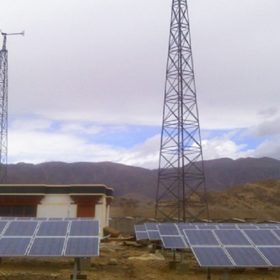
Amplus Solar launches innovation challenge for clean energy start-ups
Applications are invited from start-ups with ready-to-deploy solutions in areas like distributed solar, Internet of Things (IoT) applications in energy, battery storage and electric mobility. Winners will be supported through seed capital to scale up.
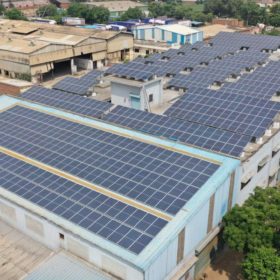
New net metering rule will deter rooftop solar adoption, says NSEFI
The developers’ body has sought the power minister’s intervention to withdraw the restriction of 10 kW capacity for net metering under the recently notified Electricity (Amendment) Rules, 2020, saying the provision will prevent high-load industrial consumers from switching to solar.

Shell-backed smart EV startup raises additional seed funding
The Bengaluru-based TresMoto is developing a range of smart, electric two-wheelers designed exclusively for delivery fleet usage with artificial intelligence-driven remote diagnostics and detachable batteries.
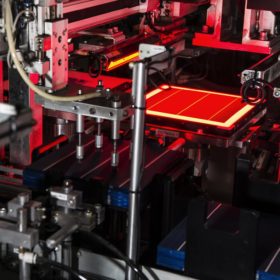
Budget expectations for solar manufacturing
The government should consider offering a 50% capital subsidy for setting up R&D and quality testing infrastructure within the manufacturing units and a 200% super-deduction for the R&D expenditure on new and clean solar technology development. Simultaneously, it should look at implementing tariff barriers on imports for at least four-five years.