Navigating the ripple effects of renewable energy variability on grid stability
integrating variable renewable energy sources into conventional power systems requires a delicate balance of technology, operational excellence, and regulatory compliance. While AI and ML have become indispensable tools in the modern energy toolkit, they are most effective when paired with on-ground human insight and proactive asset management.

The role of advanced transformers in India’s green transition
Without resilient, responsive, and renewable-ready transformer networks, India’s decarbonization goals risk being destabilized by the very variability they aim to harness.

Tata Elxsi, Infineon partner to develop ready-to-deploy EV solutions
The partnership focuses on developing scalable battery management systems, bi-directional onboard chargers and other EV systems for two-wheelers, three-wheelers, passenger vehicles, and commercial vehicles in the Indian market.

From downtime to downgrade: The real economic impact of energy disruptions
Energy is not merely a utility for lighting and basic operations; it also functions as a critical instrument of geopolitical influence. When access to power is disrupted or strategically weaponized during times of conflict, the economic consequences can be severe and far-reaching.
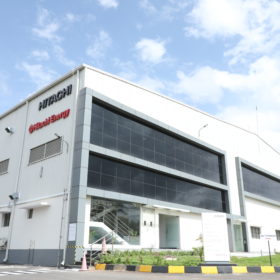
Hitachi Energy India Q4 revenue up 13.1% YoY
Hitachi Energy India has reported a revenue of INR 1,921.9 crore in January–March 2025, a YoY growth of 13.1%. Profit after tax is 61.8% up YoY at INR 183.9 crore.
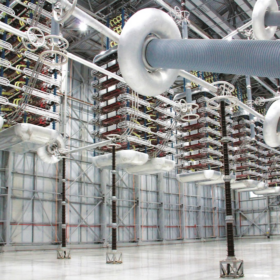
GE Vernova unveils INR 1.4 billion investment plan to expand manufacturing footprint in India
GE Vernova has announced a strategic investment of around INR 1,400 million ($16 million) to expand its electrification manufacturing and engineering footprint in India. The investment includes the development of a new HVDC/FACTS manufacturing line in Chennai and a cutting-edge engineering & test lab in Noida.

Siemens Ltd new orders up 44% yoy in Jan-Feb-March quarter
Siemens Ltd has secured new orders worth INR 5,305 crore in the quarter ended March 31, 2025, 44% up year-on-year. Revenue for the quarter increased 2.6% to INR 4,259 crore.

AI-driven carbon management: The future of global corporate sustainability
The future of global sustainability hinges on clarity—where every tonne of carbon saved is measured, understood, and built upon. For corporations ready to lead, artificial intelligence (AI) isn’t a distant horizon; it’s the lens through which progress comes into focus.

Turning climate commitments into competitive advantages: How businesses can benefit from sustainability
The best businesses aren’t just adapting to the changing landscape; they’re leveraging sustainability to drive innovation, reduce costs, and build stronger relationships with their customers and stakeholders. Business leaders are turning sustainability into a growth driver rather than a cost center by adopting the right practices.

The role of ESG SaaS platforms in accelerating the energy transition
Leveraging artificial intelligence, automation, and real-time data, ESG SaaS (software-as-a-service) systems enable companies to optimize energy use, enable and enhance transparency, and comply with regulatory requirements.