JA Solar, JinkoSolar, Longi reach consensus on 182mm module standardization
The three Chinese panel manufacturers found an agreement on the module size and the mounting hole spacing.

JinkoSolar’s n-type TOPCon cell achieves 24.58% efficiency via hydrogenation treatment
The Chinese manufacturer and the University of New South Wales (UNSW) have improved the average cell efficiency by 0.68% through a post-cell hydrogenation process. The cell’s average open-circuit voltage increased by 7 mV from 696 to 703 mV, and the average fill factor from 82.03% to 83.07%.
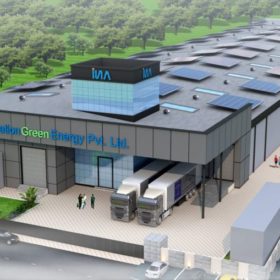
Indian solar manufacturer to expand panel capacity to 700 MW
Insolation Energy director Vikas Jain told pv magazine about their plans to expand solar panel manufacturing capacity to 700 MW with the addition of a 500 MW facility. The new facility would be equipped to produce poly, mono, mono PERC, and bifacial panels with individual panel output up to 600 Wp.
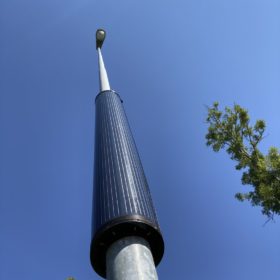
Cylindrical solar panel for street lighting
Developed by an Italian manufacturer, the panel is available in three versions with a power output of 100, 120, and 240 W and has a weight of 5 kg. It is encapsulated in thermoformable plastic technical polymers and can be connected in series with other modules around the same post.
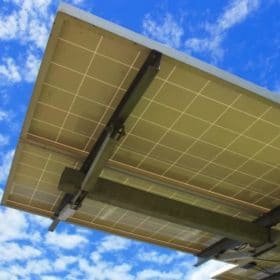
Impact of the increasing solar panel prices
Modules account for a huge percent of the project’s total cost, and since independent power providers (IPPs) have lower margins in the Indian solar energy sector, even a small increase in module pricing will put them under more strain.
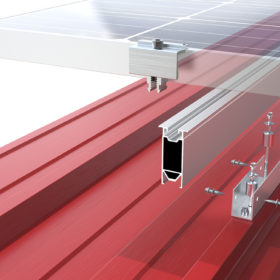
New mounting system for rooftop PV, from Austria
The mounting structure relies on a 5.8m long support rail that does not lie on the roof but is connected directly to a purlin placed below with self-drilling support screws.
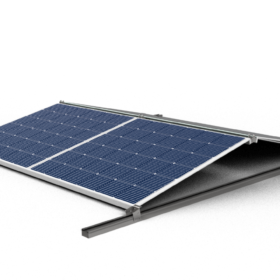
Solar module for east-west installations on flat rooftops
Dutch startup Solarge has developed a 500 W panel that weighs 50% less than conventional glass-backsheet modules. The new product can be fixed to rooftops with roofing anchors, which eliminates the need for ballast, according to the manufacturer.
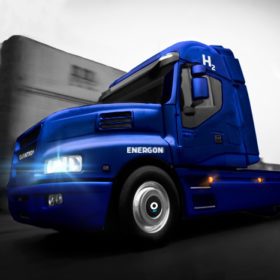
Mapping the future of cleaner transportation
Eight key developments are accelerating the advancement of electric vehicles. These range from the improvements in cost and performance of electric vehicle (EV) batteries to hydrogen-powered vehicles.
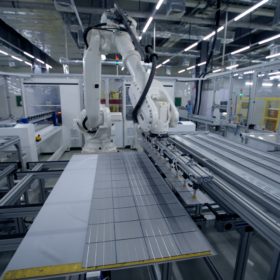
Coal India Limited seeks equity partners for its 4 GW solar fab
The state-owned coal miner has invited proposals from parties willing to partner on its proposed 4 GW solar PV ingot-wafer-cell-module manufacturing facility. Applications can be submitted until September 16.
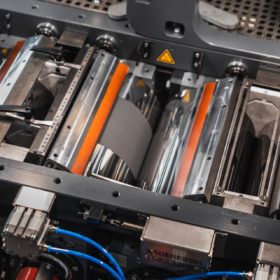
A new spin on battery manufacturing
Scientists in Germany developed a new process for manufacturing battery electrodes, that they say could be both more cost effective and environmentally friendly compared to current technologies. The technique could be applied to a range of different battery materials/chemistries and its creators say they are in discussion with a number of battery cell manufacturers regarding pilot production.