India will miss 100 GW solar target according to Wood Mackenzie
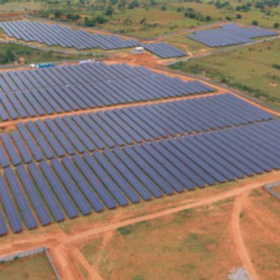
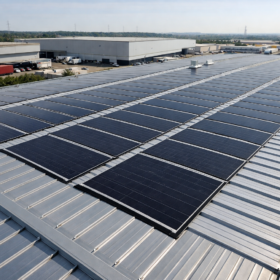
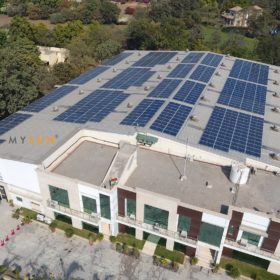
Reports emphasize the likelihood of India remaining a world leader for solar but warn of missed targets for PV overall and rooftop in particular.
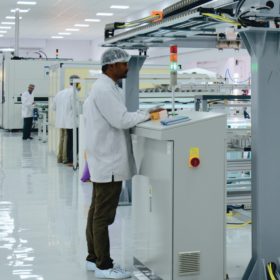
12 GW ‘new solar’ proposal: Industry reaction
“While there are ample solar PV module manufacturers in India to meet the government demands, the proposal would provide impetus to existing and new players to venture into cell production”—according to Sunil Rathi, director, Waaree Energies.
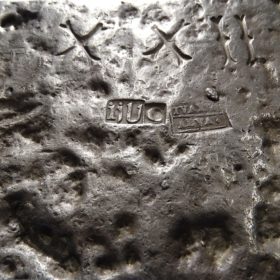
PV industry demand in India will help shore up silver price this year
According to the Silver Institute, demand for the precious metal in the solar industry will remain stable up to 2022, despite recent changes in China’s PV policy.
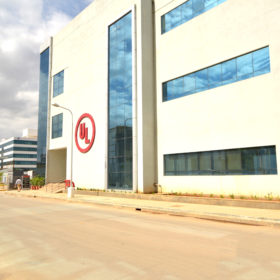
Premier Solar modules the first in the world to secure revised IEC certification
Testing has led to the first certificate of its kind worldwide since a revision of International Electrotechnical Commission Standards in 2016. Accreditation enables Premier Solar to access markets in Latin America, Europe and Africa.
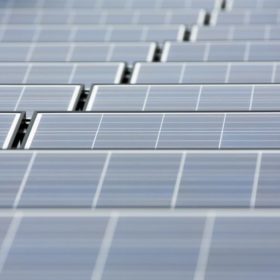
Government prioritizes Indian products in plan for 12 GW of new solar
The Cabinet Committee on Economic Affairs has approved a plan for projects to be enabled by public bodies in the hope that avoiding competitive procurement will enable it to circumvent WTO rules related to import parity.
Now SECI tenders 1.5 GW manufacturing-linked 3 GW solar tender
India’s Solar Energy Corporation of India (SECI) has tendered 1.5 GW worth of solar cell and module manufacturing capacity linked to ISTS connected solar PV power plants for an aggregate capacity of 3 GW. The plants are to be developed on ‘build own operate’ basis. The maximum tariff payable to the project developers has been fixed at Rs 2.75/kWh for 25 years.

10 GW mega solar tender trimmed to 3 GW
A week after rejecting the sole bid received from Azure Power, India has trimmed the size of its first ever manufacturing-linked solar tender by more than two-thirds.

South Korea kicks off polysilicon duty talks with China
At the Korea-China Free Trade Agreement Joint Committee meeting, the South Korean government urged China to lift import measures against its polyoxymethylene, optical fiber, polysilicon and grain-oriented electrical steel. China imposed duties on polysilicon from South Korea and the United States in July 2013.

Lone bid for 10 GW solar tender rejected
Delhi-based solar developer Azure Power had bid for a 2 GW project on a single site, as well as 600 MW of manufacturing capacity. According to reports, the government has rejected the bid, however, stating that the quoted price is unreasonable.
India mulls anti-dumping duty on Malaysian solar glass
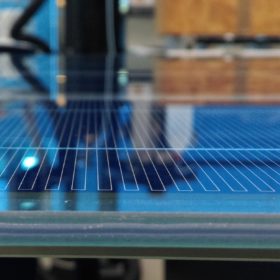
The Indian government may impose anti-dumping duty of US$ 114.58 per tonne on tempered solar glass imports from Malaysia in order to provide a level playing field to domestic manufacturers.