Solar power on the rise: A buying spree fuelled by innovation and price wars
While companies grapple with razor-thin margins, these price wars are accelerating the adoption of solar power globally.
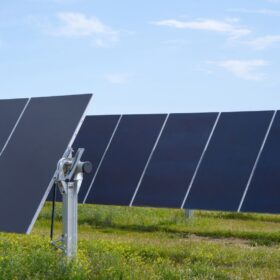
First Solar probes potential infringement of TOPCon patents
First Solar says it is evaluating potential infringement of its patents for its tunnel oxide passivated contact (TOPCon) tech, secured through the acquisition of TetraSun in 2013. The US thin-film solar module manufacturer has not named the companies involved or given a timeline for the investigation.
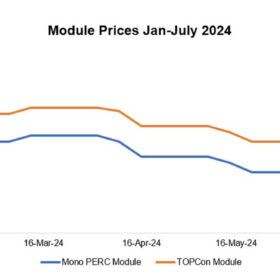
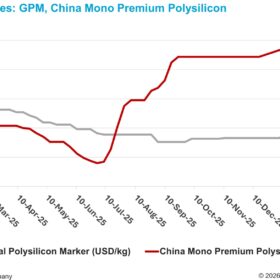
Weak demand continues to exert downward pressure on solar module prices
In a new weekly update for pv magazine, OPIS, a Dow Jones company, provides a quick look at the main price trends in the global PV industry.
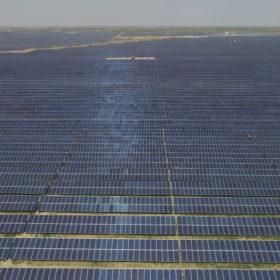
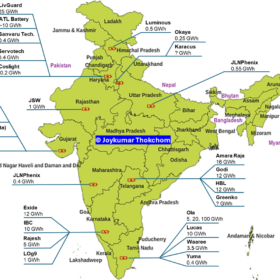
Union Budget 2024-25: Solar developers call for ALMM deferment, tax cuts, and more
With Union Budget to be presented next week, developers hope for reduction in GST [goods and services tax] and import duties on solar components, and deferral of the ALMM [Approved List of Models and Manufacturers] imposition until domestic supplies are sufficient.
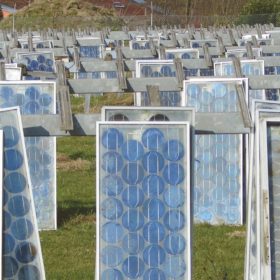
Integration of renewable energy in the circular economy
In this article for pv magazine, Naresh Mansukhani, CEO, Juniper Green Energy, writes circular economy goes beyond just recycling physical components. Innovative business models are emerging that promote resource efficiency and extend the lifespan of renewable energy technologies.

Elastocalorics could replace heat pumps, air conditioning systems
Elastocalorics have the potential to replace current air conditioning and heating systems, offering significant energy savings when paired with technologies such as photovoltaics.
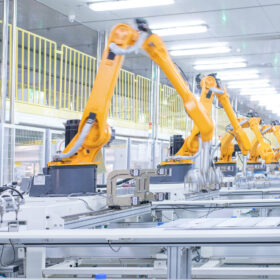
JinkoSolar-led group to build 10 GW solar cell, module factory in Saudi Arabia
A JinkoSolar-led consortium has announced plans to construct a 10 GW solar cell and module factory in Saudi Arabia with PIF and Vision Industries Company.
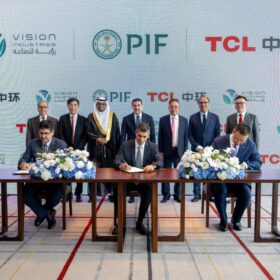
TCL Zhonghuan-led consortium plans 20 GW ingot, wafer factory in Saudi Arabia
A subsidiary of TCL Zhonghuan Renewable Energy has signed an agreement with Saudi Arabia’s Public Investment Fund (PIF) and Vision Industries to begin producing 20 GW of solar ingots and wafers per year in the country.

Tata Power to invest INR 20,000 crore capex in FY 2025
Tata Power chairman N Chandrasekaran announced that a large part of the investment will go in accelerating the company’s renewable energy portfolio. The balance will be used towards transmission and distribution businesses.

Jupiter International secures INR 300 crore to expand solar manufacturing
Jupiter International, which has a solar cell production capacity of 800 MW per year, will use the funds to set up a 1.8 GW PV cell and 1.2 GW panel manufacturing facility. The company has also entered into a joint venture with AmpIn Energy to develop an integrated solar cell and module capacity of 1.2 GW each.