Jakson unveils lithium battery backup solution with a sub-5 ms response time
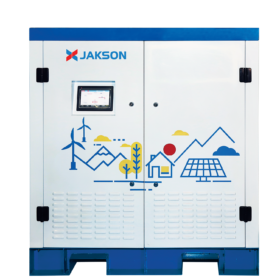
The EnerPack from Indian manufacturer Jakson consists of a hybrid inverter, lithium ferro phosphate batteries, and an intelligent energy management system that can smartly combine grid power, solar power, wind power, and even diesel generator power supply to maximize the use of renewable energy.
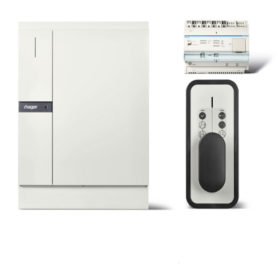
New residential lithium-ion battery from Germany
The battery system, which is aimed at increased self-consumption, can handle a maximum DC input power of 18 kW and 1000 V.
LNJ Bhilwara, Replus to set up a 1 GWh lithium-ion battery plant
LNJ Bhilwara, a diversified business group with presence in graphite electrode manufacturing, has formed a joint venture with Pune-based Replus Engitech to create lithium battery solutions for both e-mobility and stationary applications. The JV aims to have 1 GWh capacity operational in Pune by mid-2022 and eventually scale it to 5 GWh by 2024.

Cabinet approves INR 18,100-crore incentives for advanced battery storage production
The production-linked incentive scheme for battery storage, with an outlay of INR 18,100 crore (US$ 2459 million), is intended to build a cumulative 50 GWh of advanced chemistry cell (ACC) and 5 GWh of ‘niche’ ACC production facilities in India.

Bolivia launches call for lithium extraction
Bolivia has launched a second international call, after a first attempt failed in 2019, to seek potential investors for its huge lithium resources.

Waaree Energy Storage System secures seed funding of US$2 million
The energy storage manufacturer will use the funds to expand its manufacturing capabilities, and aid product development with emphasis on smart Internet of Things (IOT) based batteries and telematics.
Roshan Energy signs lithium battery production agreement with US firm
The Telangana-headquartered lithium-iron-phosphate (LFP) battery manufacturer has teamed up with Las Vegas-headquartered Barrel Energy to develop and manufacture lithium batteries for electric vehicles. The joint venture will establish factories in India and North America.
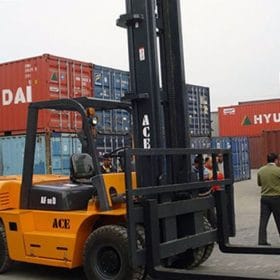
Waaree lithium batteries run electric forklifts at Chennai airport
The energy storage system arm of Waaree Group has designed and developed Lithium batteries to power ACE Ltd’s electric forklifts running at Chennai airport.

Union budget: Customs duty rise for solar inverters but modules spared
Imported solar inverters and lanterns will get costlier, as the union budget for the next fiscal year has proposed customs duty increases from 5%, for both items, to 20% and 15%, respectively. The budget, which also incentivizes Indian manufacturing of solar project components whilst giving a helping hand to raw materials, makes no mention of solar cells or panels.
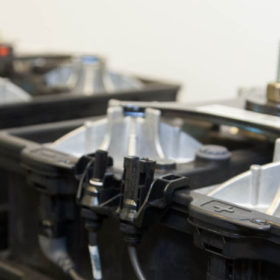
Battery startup Gegadyne Energy raises INR 33.4 crore from V-Guard
The Mumbai-based battery startup develops advanced nano-material composites to enable quick-charging batteries for electric vehicle (EV), industrial storage, and consumer electronics space.