NTPC tenders BOS package with land for 300 MW of solar projects
Bidders have until March 4 to lodge their interest for the solar projects to be developed anywhere in India.
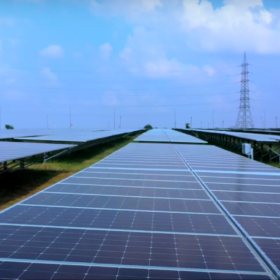
SJVN’s 200 MW Bihar solar project approved by electricity regulator
The State-owned hydropower producer will set up grid-connected solar power plants in the state and sell the electricity generated at an INR 3.11/kWh tariff under a 25-year PPA with the State Discoms.
Ayana Renewable surpasses 1 GW (AC) of operational capacity
The Bengaluru-based renewable energy developer, with the total management and developmental portfolio of over 3 GW (AC) across India, aims to achieve a portfolio mix of 10 GW (AC) by 2025.

NTPC invites bids to build 900MW of solar parks in Cuba
The state-owned power company, a partner of the International Solar Alliance, will help the Cuban government with developer selection and the signing of project agreements and will oversee solar plant implementation up to commissioning.

Rays Power signs MoU for INR 500-crore solar investment in Rajasthan
Director Nidhi Gupta told pv magazine that the company had signed the agreement to invest INR 500 crore (US$67.2 million) in building a 120 MW solar park in the Bikaner district of the State. The solar park will provide plug-and-play infrastructure for captive solar projects.
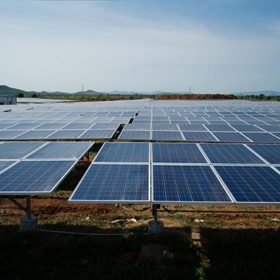
Tata Power arm commissions 100 MW solar capacity in Uttar Pradesh
Tata Power’s renewable energy capacity in operation has swelled to 3,055 MW (2,123 MW of solar and 932 MW wind) with the latest addition of 50 MW PV plants each at Prayagraj and Banda.
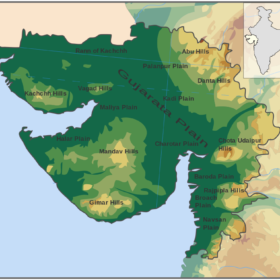
Gujarat launches EPC tender for 220 MW solar
Bidders have until February 1 to apply for the engineering, procurement, and construction of 220 MW of grid-connected solar projects anywhere in Gujarat.
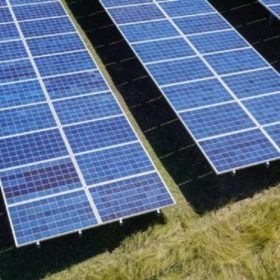
MNRE expands ALMM requirement to open-access and net-metering solar projects
Only the solar products and manufacturers making to the Approved List of Models and Manufacturers (ALMM) will now be eligible for open access and net-metering projects—in addition to government-backed projects—installed in the country. These include projects set up for sale of electricity to the Government under Section 63 of Electricity Act, 2003. The amendment shall apply to renewable energy projects which apply for open access or net-metering facility from April 1, 2022.
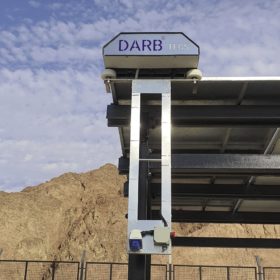
The long read: Dealing with dust
Sand and dust are a PV plant operator’s worst nightmare. Performance losses due to soiling, or “the dust effect,” are a cause for innovation among O&M providers, particularly in dry and dusty regions that are otherwise ideal locations for large-scale solar installations. Yazeed Al-Mousa examines the latest robotic cleaning solutions, as well as the software and sensors that help plant operators with the tricky economic decision of when to actually start cleaning.

Reliance Industries commits over US$75 billion for green energy projects in Gujarat
The Mukesh Ambani-led diversified business conglomerate has agreed to invest INR 5 lakh crore (US$67.6 billion) in building 100 GW of renewable energy capacity and green hydrogen eco-system in the State. It will also invest INR 60,000 crore (US$8.1 billion) in setting up manufacturing facilities for new and renewable energy equipment including solar modules, electrolyzers, energy-storage batteries, and fuel cells.