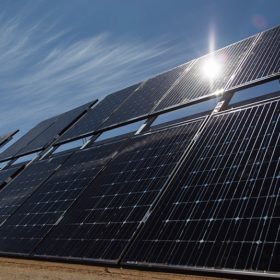
Jharkhand to install 4 GW of solar power generation capacity in five years
Under the Solar Energy Policy 2022, the Indian state tagets installing about 3 GW of utility-scale solar, 720 MW of distributed generation, and 280 MW off-grid capacity from fiscal 2022-23 to 2026-27.
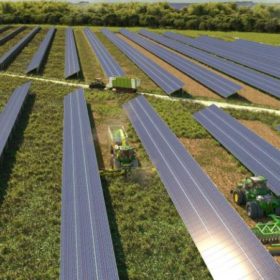
Agrivoltaics adding value to crops with low agricultural yield
A group of 35 French agricultural entrepreneurs decided to change their agricultural practices to adapt to the low quality of their groundwater and chose agrivoltaics as a way to compensate for crop yield losses.
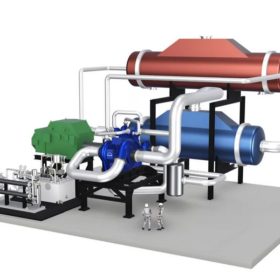
German consortium plans to build world’s largest heat pump
Basf and Man Energy announced a plan to build a 120 MW renewables-powered heat pump for steam production at an industrial site operated by Basf in the Rhineland-Palatinate region, Germany. The feasibility study for the project should be completed by the end of this year.
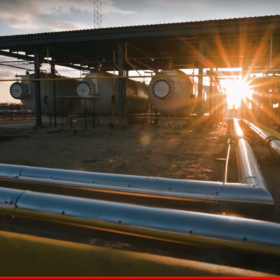
Acme to build 1.5 GW green hydrogen project in Tamil Nadu
Indian developer Acme will set up a green hydrogen and ammonia project in Tamil Nadu with 1.5 GW of electrolysis capacity and 1.1 million tons of ammonia synthesis, powered by a 5 GW solar plant.
Solar module price increases to affect returns on 4.4 GW of solar
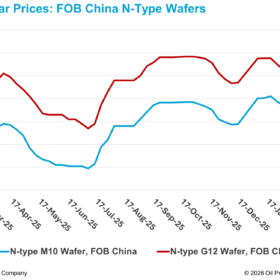
Solar cell and module prices have increased by more than 40% over the last 18 months, driven by polysilicon prices. However, bid tariffs has remained lower than what is needed to mitigate the rise in module prices. The risk of lower returns is significant for 4.4 GW of projects that have been awarded over the past 18 months, with tariffs below INR 2.2 ($0.028)/kWh.
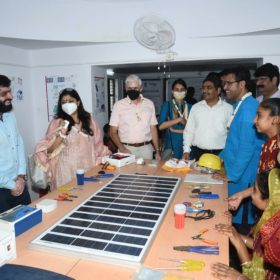
Women salt pan workers in Gujarat to be trained as solar technicians
ReNew Power, United Nations Environment Programme, and Self-Employed Women’s Association of India (SEWA) have launched a program to train women salt pan workers in Gujarat as solar technicians. Under the initiative, 1,000 women salt pan workers will be trained as solar panel and solar pump technicians.
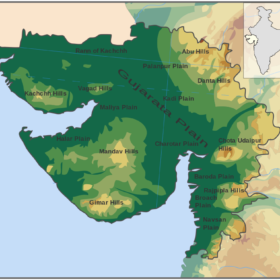
Prozeal Infra wins 131 MW solar EPC contract in Gujarat
Prozeal Infra has secured an engineering, procurement and construction contract for 131 MW (AC) of solar from Gujarat State Electricity Corp. Ltd. (GSECL).
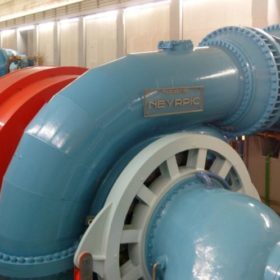
New pricing mechanism for pumped-hydro storage in India
A new report recommends a differential pricing mechanism for pumped-hydro energy storage (PHES) projects in pumping (off-peak operation) and generating mode (peak operation). The pricing mechanism for PHES should be based on specific use cases like peak load shaving and the smoothing of renewable energy generation.
Discom dues liquidation to help realize INR 9,000 crore receivables for renewables sector
The receivables period for leading renewable energy generators can reduce by 40-50 days from the current 180 days, by March 31, 2024.
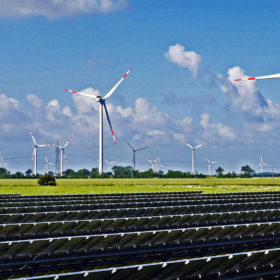
India needs $223 billion to meet 2030 wind, solar goals
India requires $223 billion of investment over the next eight years to reach nearly 280 GW of solar and 140 GW of wind capacity by 2030.