KP Group to invest INR 36,000 crore in Botswana’s renewable energy sector
KP Group has signed a memorandum of understanding with the Government of Botswana for the development of 5 GW of renewable energy and power infrastructure projects.

Powering India’s digital transformation: The backbone technologies you don’t see
Every new 5G deployment, data centre expansion, or broadband rollout depends on power and cooling architectures that operate quietly in the background, ensuring continuity, efficiency, and resilience.

Rethinking transformer design for the energy transition
With renewables’ share in power generation expected to grow significantly, there will also be a push in the demand for next-generation transformers that are capable of handling the intermittent nature of solar, wind, and other non-polluting sources of energy. The grid of the future demands not only more transformers but smarter, adaptive, and sustainable designs that can support India’s ambitious renewable targets and fast-rising power demand.
Scaling solar faces realities on the ground
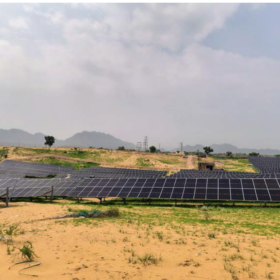
Large-scale solar projects in India face challenges from land constraints to harsh climates and technical losses. This article explores five key roadblocks and how installers are navigating around them.
DISCOMs continue to exceed their 3% fiscal deficit limit, highlighting need for state oversight
Besides direct lending, states continue to fund DISCOMs through grants and subsidies, but ongoing financial losses suggest the need for enhanced fiscal discipline and operational oversight.

Why phasing out ISTS waiver is a step towards equitable energy development
The gradual phase-out of ISTS charges waiver for solar and wind projects–75% for projects commissioned by June 30, 2026, 50% by June 30, 2027, and 25% by June 30, 2028, and zero thereafter–is bound to push up final price for end consumers. The shift could increase tariffs by INR 0.40–0.50 per unit

Cybersecurity in India’s energy and utilities sector
As India accelerates its energy transition and modernises its grid infrastructure, the energy and utility sector will move beyond its traditional functionality. Cybersecurity, once a back-office IT concern, is now at the front, especially for Operational Technology (OT).

Beyond Rhetoric: India’s clean energy investments speak for themselves
India has drawn billions of dollars into renewable infrastructure from global institutional investors, private equity firms, and corporate stakeholders. Initiatives such as the National Solar Mission, coupled with predictable tariff structures and streamlined regulatory mechanisms, have created a conducive environment for capital deployment.

How the India-UK FTA can turbocharge clean energy cooperation and investment between the two nations
Trade is only half the story, the bigger opportunity lies in green finance. Indian renewable energy projects require an estimated $250 billion in capital by 2030. The UK, home to one of the world’s most mature green finance ecosystems, including institutions like the Green Investment Bank and large ESG-focused funds, is ideally positioned to bridge this gap.

Siemens Energy India profit up 80% YoY for quarter ended June 30, 2025
Siemens Energy India Ltd (SEIL) has reported a robust financial performance for the quarter ended June 30, 2025, with net profit soaring 80% year-on-year (YoY) to INR 263 crore. Revenue from operations rose 20% YoY to INR 1,785 crore. New orders for the quarter surged 94% to INR 3,290 crore.