Self-assessment tool for renewable energy action
The Portal for Renewable Energy Action Assessment Metrics is an online rating system which enables businesses to self-assess their renewable energy consumption.
India still nowhere near energy sufficiency
The government is trying to harness renewables to increase domestic output but will need a more liberal energy market and to consider the structure of procurement auctions, cloying red tape and the financial travails of state utilities if it is to achieve its goals, says Rakshika Kaul of Amp Energy India.
Tata Power to set up Indian health sector’s largest solar carport
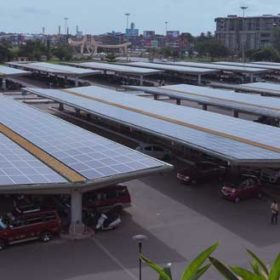
The developer will commission a 335 kWp ‘carport-style’ solar plant for Apollo Gleneagles Hospital in Kolkata city, West Bengal. It is estimated the plant will generate around 426 MWh of electricity for the hospital per year and reduce annual carbon emissions by 80kg.
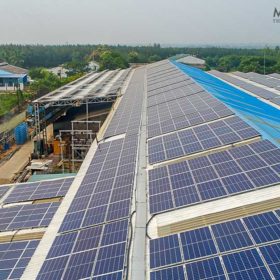
Tender for 7.5 MWp of grid-connected rooftop solar in Andaman
October 20 is the final date to submit bids for the generation capacity, which will be set up on buildings on the islands of Middle and North Andaman.
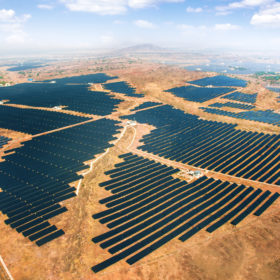
Rajasthan could add 22.6 GW of new renewable energy capacity to the grid within a decade
The state—which has already installed an aggregate 9.6 GW of renewable energy capacity as of FY 2019-20 end—will add another 22.6 GW to the grid by the end of FY2029-30. Of the new RE addition, 18 GW will come from solar capacity.

Solar leaders call for overhaul to navigate Covid-19
Faced with raw material and labor shortages, solar manufacturers have stressed the need to find alternative supply chains and to push automation and internet of things applications on the factory floor to keep production running.
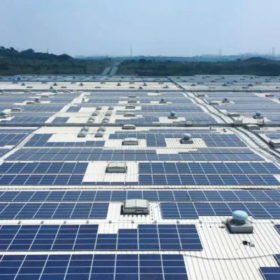
Commercial solar rooftops dominate as India nears 6 GW
Bridge to India figures show dominance of Chinese inverters, which supplied almost 80% of installs from July last year to the end of June.

India’s renewable energy capacity needs to grow at 16% CAGR to reach 450 GW by 2030
As of June 30, the country installed 90.5 GW of renewable energy capacity from solar (utility-scale and rooftop), wind and biomass resources.
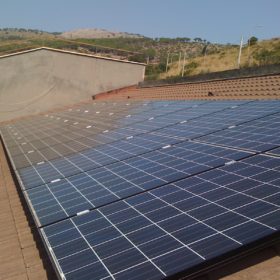
Fourth Partner Energy bags 4.8 MW rooftop solar project for Titagarh Wagons
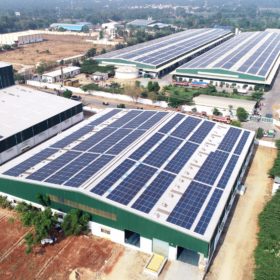
Solar panels at the railway coach manufacturer’s three factories in West Bengal will cover approximately 50,000 sq m of roof space and generate around a quarter of the power used by the company each year.
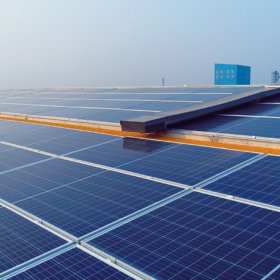
Mysun commissions 1.75 MWp rooftop for textile client
The solar plant, in drought-prone Rajasthan, features a water-free robotic cleaning mechanism which also saves on labor costs.