Energy efficiency a good substitute for long-term storage, says NREL
A 60% reduction in building energy use will be key to achieving a low-cost, 100% renewable energy grid, according to a new study by the U.S. National Renewable Energy Laboratory.
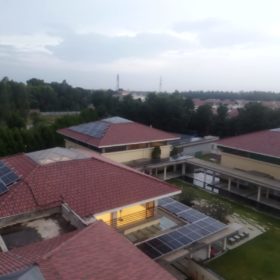
Enphase powers 160kW clubhouse rooftop solar in Bengaluru
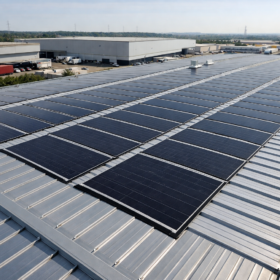
The Nambiar Bellezea luxury villa community in Bengaluru has got a 160 kW rooftop solar plant installed for its clubhouse, alongside 3-6kW installations on more than 20 villas. The 160kW club installation is powered by 320 numbers of Trina 500 Wp solar modules coupled with 320 Enphase IQ7A micro-inverters.
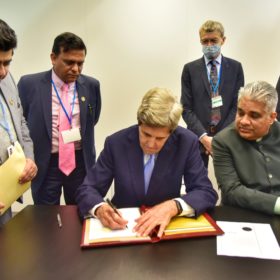
USA becomes 101st member of the International Solar Alliance
The International Solar Alliance is an international intergovernmental treaty-based organization headquartered in India that aims to reduce the cost of solar technology and mobilize finance to accelerate solar adoption in its member countries.
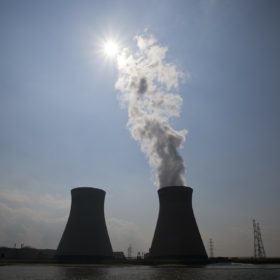
Reversing the crisis of climate change
We all should envisage a society in which everyone, including individuals and businesses, operate carbon neutrally, i.e., all entities reduce their carbon footprint by adopting sustainable practices.

International Solar Alliance forms advisory committee to mobilize US$1 trillion solar investment
The advisory committee will guide the International Solar Alliance on meeting its objective of mobilizing US$ 1 trillion investment in solar energy by 2030. Committee members include representatives from leading institutional investor like Africa50, CDPQ Global, IFC, the Development Bank of Southern Africa, Capricorn Investment Group, and Temasek.

Moving from energy-efficient buildings to energy-generating buildings
To achieve the government’s ambitious renewable energy targets, and integrate the two growing sectors of infrastructure and construction and renewable energy, the existing policies and codes for green buildings need to be further enhanced. Most of these rules need to include specific details about energy generation. Right now, these are more to do with energy efficiency.
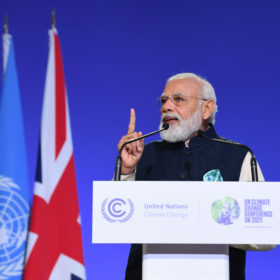
India commits to net-zero by 2070
At COP26 Summit in Glasgow, prime minister Narendra Modi also announced India’s pledge to increase its non-fossil energy capacity to 500 GW by 2030. The nation would also increase renewable energy’s share in its overall energy generation mix to 50% by 2030.
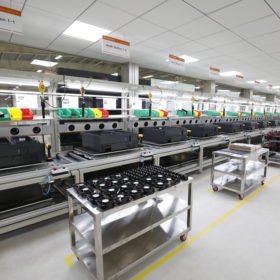
Sungrow hits 10 GW of solar inverter shipments in India
The Chinese inverter company has shipped more than 10 GW of solar inverters in India since it began its operations in the market in 2014.
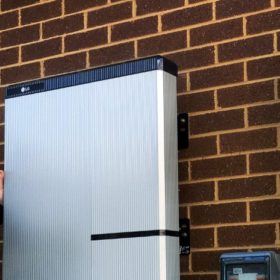
Should I include a battery with my home solar project?
An increasing share of residential solar arrays now include energy storage batteries. In this article, costs, benefits and timing of these batteries are evaluated.
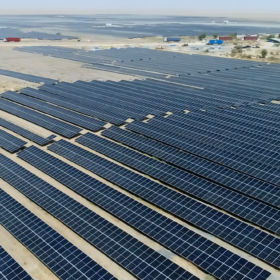
China power crisis hits Indian solar projects
After the ravages of Covid-19, electricity shortages in China have now raised costs for its solar manufacturers, with knock-on effects for developers in India too, again highlighting the dangers of relying on a single solar supply chain.