SolarEdge unveils power optimizers for residential, commercial PV
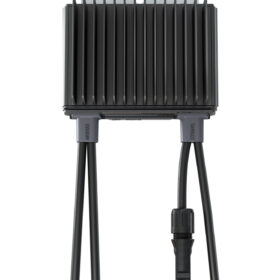
SolarEdge has released new optimizers for residential PV applications with a DC power rating of 500 W, a maximum efficiency of 99.5%, and a weighted efficiency of 98.6%. The optimizer for commercial and industrial applications offers 1.4 kW of rated DC power.
Virtual power plants roll out across the U.S.
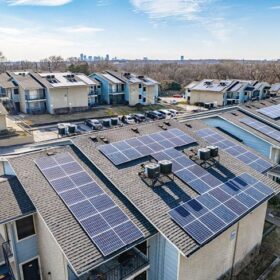
Virtual power plants (VPPs) coordinate distributed resources and demand for a more resilient, cost-effective energy transition. And they are gaining traction in the United States.

Southeast Asia solar markets set for growth this year
New PV capacity additions in Southeast Asia are expected to bounce back this year for the first time since 2020, according to the Asian Photovoltaic Industry Association. The market is expected to grow by 13% in 2023, for 3.8 GW of new installations.

India, France discuss ISA priorities for accelerating global energy transition
In a meeting with the French delegation, India’s power minister emphasized the role of insurance for renewable energy projects, payment security mechanism, and debt financing in attracting investment into renewable energy.

Asia leads charge in renewable energy growth
IRENA’s report Renewable Capacity Statistics 2023 shows that in 2022, Asia accounted for nearly 60 percent of the worldwide increase in renewable energy generating capacity, resulting in a total of 1.63 Terawatt (TW) of renewable capacity by year end. A huge part of this increase occurred in China.

India remains world’s most attractive solar market
India has retained its crown as the most attractive market for solar investment, according to the latest edition of Ernst & Young’s renewables attractiveness index.
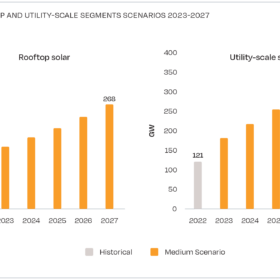
Global rooftop PV additions soar by 50% to 118 GW in 2022
The world installed 239 GW of new solar capacity in 2022, according to SolarPower Europe. The rooftop PV segment accounted for 49.5% of additions – the highest share in the past three years. The rooftop sectors in Brazil, Italy, and Spain grew by 193%, 127%, and 105%, respectively.
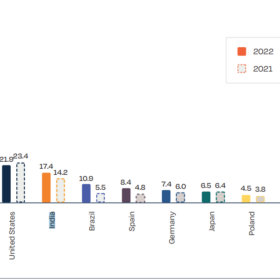
India installed third most solar capacity in the world in 2022
India installed an impressive 17.4 GW of new solar capacity in 2022, retaining its third spot in annual PV capacity addition globally.
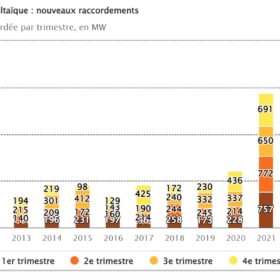
France adds 601 MW of new PV systems in Q1
France reached 17.15 GW of cumulative installed PV capacity at the end of March.
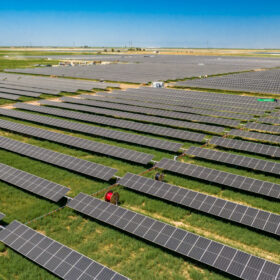
US solar market expected to triple in size by 2028
The US solar industry had its best first quarter in history as supply chain challenges started to fade, according to the US Solar Market Insight Q2 2023 report.