Saatvik Green secures LoA from MSEDCL for 1,500 solar water pumps in Maharashtra
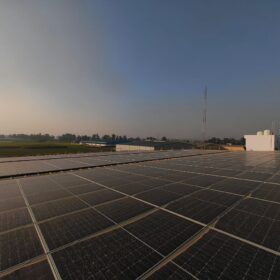
Saatvik Green Energy Ltd has received Letter of Award (LoA) from Maharashtra State Electricity Distribution Co. Ltd (MSEDCL) for installation of 1,500 solar water pumping systems under the Magel Tyala Saur Krishi Pump Yojana (component B of PM Kusum Scheme).
Novel MPPT technique for EV charging combined with PV, fuel cells
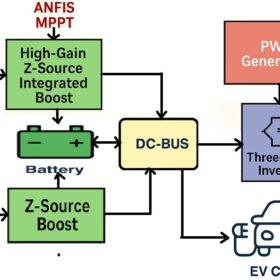
Scientists in India have designed a system that uses PV panels, a proton-exchange membrane fuel cell, battery storage, and a supercapacitor. It also relies on an adaptive neuro-fuzzy inference system-based MPPT that reportedly achieves an efficiency of 98.7%.
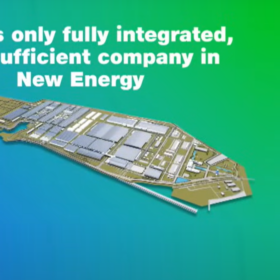
Reliance Industries Ltd’s battery gigafactory set to begin operations in 2026 with an initial annual capacity of 40 GWh
Reliance Industries Limited (RIL) is set to begin production at its upcoming battery gigafactory in 2026, with an initial annual capacity of 40 GWh. The facility will later be modularly scaled up to 100 GWh per annum, announced Anant Ambani, executive director of RIL, during the company’s annual general meeting recently.
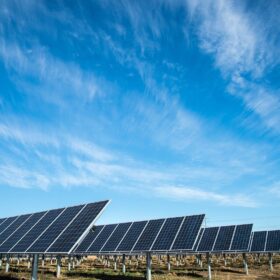
Everest Industries invests in solar plant for captive consumption
Everest Industries, a building solutions company in India, has invested INR 1.76 crore in Amplus Ampere (Amplus), a special-purpose vehicle (SPV) created by Amplus Energy Solutions to set up a solar power plant for group captive consumption.

Thailand opens 364 MW solar tender
The Electricity Generating Authority of Thailand (EGAT) has kicked off a tender for a floating solar project at the Srinagarind Dam, already home to one of its power stations. Interested bidders can purchase tender documents until Sept. 26.
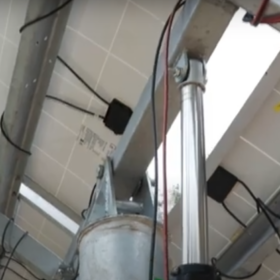
Shakti Pumps empanelled for 34,720 off-grid solar pumps by MSEDCL
The first tranche of 10,000 solar pump units fully booked by farmers within 1.5 hours.
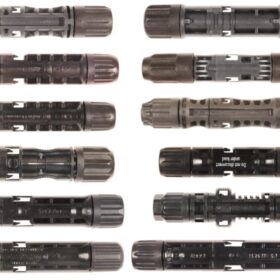
Confused about PV connectors? Words matter
The National Renewable Energy Laboratory and Sandia National Labs have created a new nomenclature for PV connectors to reduce confusion amongst installers and developers, while improving deployment practices. They catalogued a sampling of twenty-five commercially available 4 mm connectors.
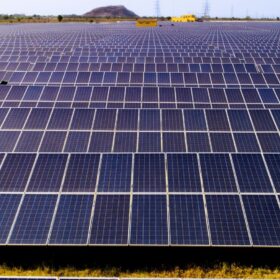
SAEL Industries commissions 298 MW DC solar project in Rajasthan
The solar project benefits from a 25-year power purchase agreement with Rajasthan Urja Vikas and IT Services Ltd at a tariff of INR 2.61 per kWh.
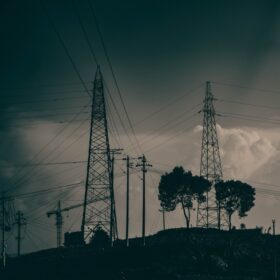
Cybersecurity in India’s energy and utilities sector
As India accelerates its energy transition and modernises its grid infrastructure, the energy and utility sector will move beyond its traditional functionality. Cybersecurity, once a back-office IT concern, is now at the front, especially for Operational Technology (OT).
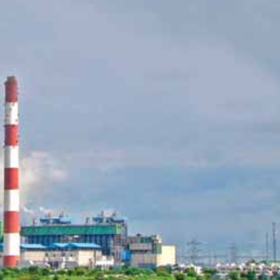
Jaiprakash Power Ventures mulls 50 MW solar plant at Bina thermal site
Jaiprakash Power Ventures is considering setting up a 50 MW solar plant at its existing thermal power project site in Bina, Madhya Pradesh.