Cyber threats for PV: What are ransomware attacks and how do they work
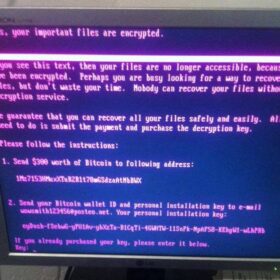
Ransomware attacks encrypt or lock critical PV system data and control platforms, preventing operators from accessing or managing their assets until a ransom is paid. These attacks can disrupt operations, reduce energy production, and create safety risks, making robust backups, segmentation, and incident response essential for resilience.
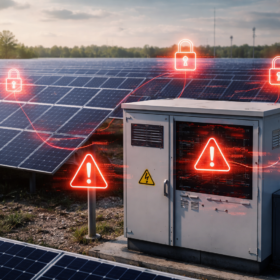
Managing cyber risks in the era of decentralized energy
The move toward decentralized energy resources offers resilience and flexibility in power generation, but it also introduces new complexities that demand proactive security measures.
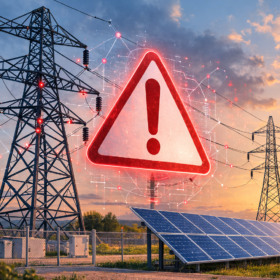
New simulation platform lets energy operators train against realistic cyberattacks
Researchers at Germany’s Fraunhofer FKIE institute developed PowerRange, a virtual simulation platform that helps power grid operators safely test cybersecurity measures and respond to realistic cyberattacks. The platform supports both traditional and renewable grids, offering immersive training across IT, OT, and control systems while highlighting the importance of coordination, communication, and practical defense strategies.

How to make India’s energy sector more cyber resilient
Amid looming threats from interconnected environments, emerging technologies, and siloed security practices, the energy sector needs a single source of truth. An exposure management platform delivers this, bringing IT and OT security into a unified ecosystem. It proactively identifies risks and stops them before they spiral out of control and stop operations.
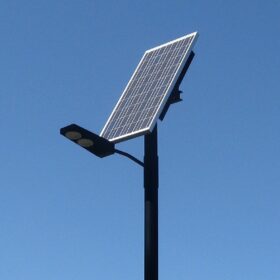
US authorities warn of hidden radios in PV-powered highway infrastructure
The US Federal Highway Administration (FHA) has warned that cellular radios have been found in unspecified foreign-made inverters and batteries used in PV highway infrastructure, according to Reuters. pv magazine speaks with cybersecurity expert Uri Sadot about the risks.
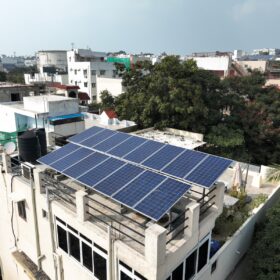
Industry reacts to cybersecurity rules for rooftop solar monitoring systems
The solar industry broadly supports a more secure, standardized framework for remote monitoring systems (RMS) used in grid-connected rooftop solar installations but voices concerns over implementation hurdles, additional costs, and technical feasibility—especially for smaller players and regions with limited connectivity.
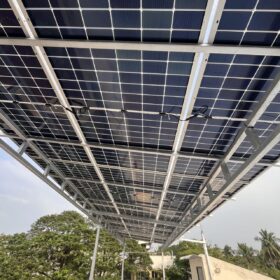
MNRE issues draft security guidelines for rooftop solar inverters and communication devices
India’s Ministry of New and Renewable Energy (MNRE) has released draft guidelines outlining the data communication and cybersecurity architecture for remote monitoring systems (RMS) used in grid-connected rooftop solar installations.