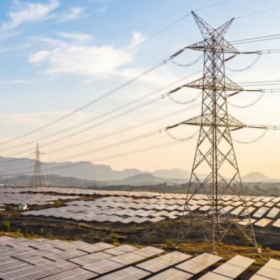
India achieves 50% clean power capacity five years ahead of target
As of June 30, 2025, India reached a cumulative installed power capacity of 484.82 GW with 242.8 GW coming from non-fossil fuel sources (8.8 GW nuclear, 49.4 GW hydro, and 184.6 GW renewable energy sources).
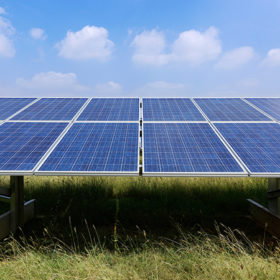
Meeting evening peaks with clean power requires a three-pronged strategy: IEEFA
The persistent evening peaks, which now nearly match daytime highs, reinforce the urgency of deploying storage solutions, demand-side measures and hybrid renewable projects to meet post-sunset demand.

GP Eco Solutions secures EPC contract for 31.67 MW C&I solar project in Punjab
GP Eco Solutions has secured an INR 121.92 crore EPC (engineering, procurement, and construction) contract for a ground-mounted, grid-connected solar power project with a capacity of 24 MW AC (31.67 MW DC).
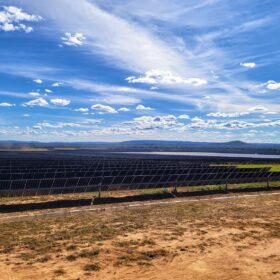
Brazil may add 36.5 GW of solar by 2029, says grid operator
Brazil’s installed solar capacity is expected to rise from 51.7 GW in December 2024 to 88.2 GW by the end of 2029, according to the national grid operator’s 2025–29 Energy Operation Plan.

How is India’s power infrastructure evolving amid global supply chain shifts?
With renewable capacity expanding, grid upgrades underway, and policies fostering local supply chains, India is navigating a complex but promising energy transition.
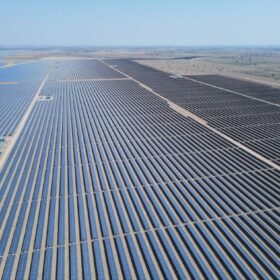
India installed record 21.9 GW of solar and wind capacity in H1 2025: JMK Research
The nation added 18.3 GW of solar capacity and around 3.5 GW of wind capacity during the Jan.–June period of 2025, according to JMK Research.

Tata Power inaugurates green energy skilling centre in Delhi
Tata Power’s Green Energy Skill Centre will impart training in renewable energy technologies, including solar PV system installation, commissioning and operation and maintenance, energy storage, pumped hydro storage, and electrical safety to prepare future-ready green energy workforce for the country’s energy transition.
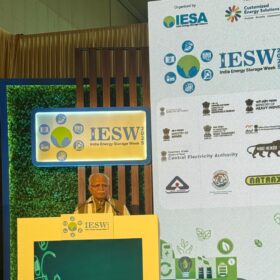
“India on track to achieve 50% renewable energy milestone by year-end”: Union power minister
“India is on track to achieve the milestone of 50% renewable energy share in its total installed power generation capacity by the end of the year,” said union power minister Manohar Lal Khattar at the 11th edition of India Energy Storage Week (IESW) 2025.

Powering a greener future through India’s clean energy transition
As India adds more intermittent renewables like solar and wind to its energy mix, modernising the electricity grid becomes a priority. Grid expansion, integration of battery storage systems, and digital monitoring tools are critical to accommodate fluctuations in generation and demand.
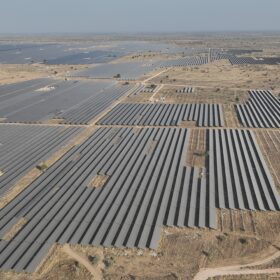
India installed 17.4 GW utility-scale solar, 5.15 GW rooftop PV capacity in FY 2025: JMK Research
Rajasthan led the annual solar additions with 6.5 GW, followed by Gujarat (3.6 GW) and Maharashtra (2.3 GW).