Railway Energy tenders 140 MW hybrid project capacity
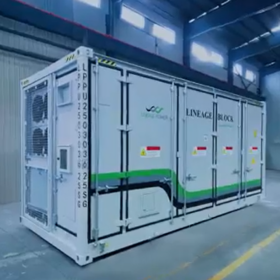
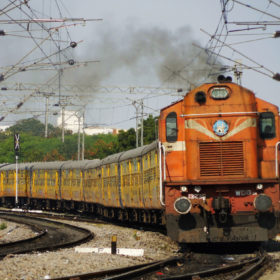
Three dual renewable energy generation projects are up for grabs with the state owned railway management company having set a tariff ceiling of Rs2.70/kWh for projects which will be dominated by wind capacity.
56% solar installations in water-scarce areas: Bridge To India
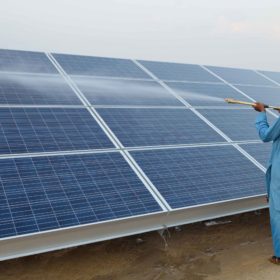
Wasteful use of water for solar panel cleaning is posing these areas to a high level of water risk. To justify its environment-friendly tag, the industry needs to replace manual cleaning with technologies providing water-efficient solutions.
EESL tenders 100 MW solar in 3 states, plans 200 MW rooftop in Maharashtra
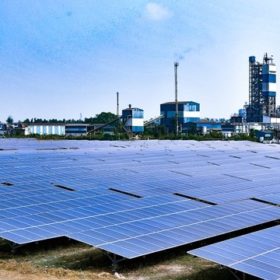
India’s Energy Efficiency Services Ltd (EESL) has invited bids from domestic and international players for setting up of small grid-interactive solar plants ranging from 500 KW to 2 MW at lands of state-owned utilities. The cumulative capacity, to be installed in turnkey mode, is 40 MW for Maharashtra and Andhra Pradesh each and 20 MW for Jharkhand. The state-run energy service company is also mulling to install an aggregate 200 MW of grid-connected solar rooftop across 5,000 state-owned buildings in Maharashtra.
Another bidding extension for IGL’s solar-plus-battery tender
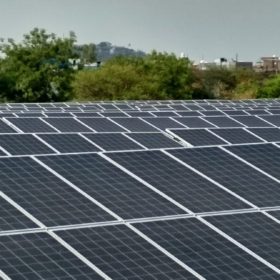
Bidders can now lodge their interest until July 1 and are required to submit any amendments, signed and stamped, along with the bid.
BHEL wins Rs 800 crore EPC orders for 200 MW solar power plants
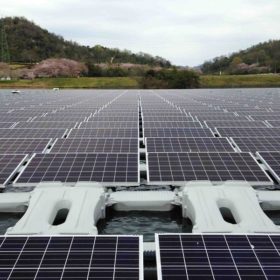
The state-owned engineering major will set up a floating solar plant at NTPC Ramagundam in Telangana and a ground-mounted plant at Raghanesda Ultra Mega Solar Park in Gujarat, with a capacity of 100 MW each.
Removal of priority-sector lending cap – solar industry reaction
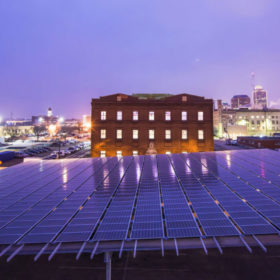
The power minister’s proposal would be a step in the right direction towards meeting the 40 GW rooftop solar target, as it removes a financing hurdle for small and medium enterprises.

Solar trees find more homes
Solar trees—like the ones at The National Salt Satyagraha Memorial in Gujarat—are set to make their way into the residential complexes of central government employees as the Central Public Works Department (CPWD) looks to harness solar energy to the maximum extent possible.
Power minister seeks removal of priority sector lending limit for renewable energy sector
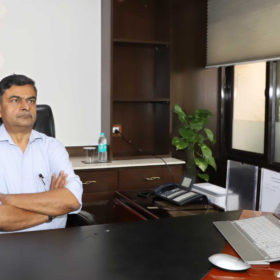
Easy access to finance topped the agenda of the minister’s meeting with various stakeholders, wherein issues related to land acquisition and Goods and Services Tax (GST) were also discussed.

Solar power helps OFB cut electricity cost by around 70 per cent in 3 years
The Ordnance Factory Board (OFB) cut its cost of electricity consumption from Rs 463.22 lakh during 2015-16 to Rs 163.78 lakh during 2018-19, using solar power generated from grid-connected PV projects installed at its various units.
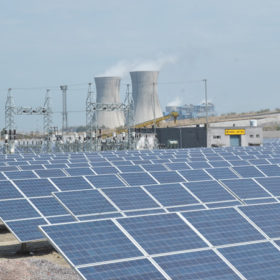
NTPC mulling solar power project without a power purchase agreement
With continuous decline in costs of solar power generation, the chorus for shortening the 25-year power purchase agreement (PPA) period is growing louder.