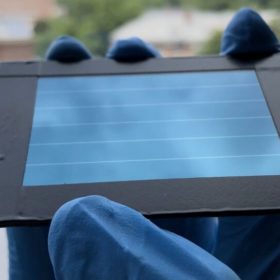
‘Spontaneous de-doping’ for 17.8%-efficient perovskite mini-module
U.S. scientists have found a new ‘de-doping’ process in perovskite solar cells that could cut production costs and produce better devices. They have used this to fabricate a mini-module with 17.8% efficiency.
Early coal plant retirement first hurdle in reducing discom debt
The Indian power distribution sector needs bold policy choices such as the closure of old, inefficient coal-based power plants to improve its financial viability. Early retirement of expensive coal power contracts will result in significant savings for the states as they can contract cleaner, cheaper renewable power.
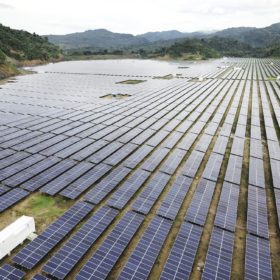
KFW offers Rs 600-crore loan for 125 MW Bengal solar park
The cash injection—for a 15-year term at 0.15% interest—will cover 80% of the overall solar project cost of Rs 750 crore.
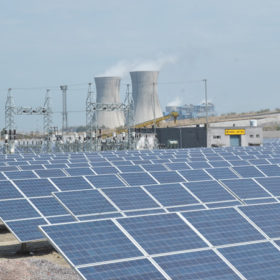
BHEL seeks containerized PCUs for 20 MW NTPC solar plant in Gujarat
The scope of work for the successful bidder includes supply, installation, and commissioning of the supplied units at the project site. Bidding closes on August 17.
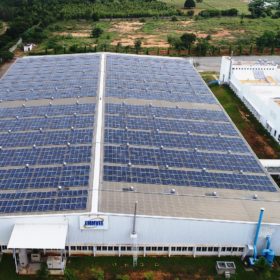
Karnataka opens tender for rooftop solar in Belagavi
Developers have until August 29 to submit bids for the installation of grid-connected rooftop solar plants on selected government buildings of Belagavi Smart City.
IoT startup Probus raises seed funding for smart grid platform
The startup—which has developed an Internet of Things (IoT) based service for power grid monitoring and automation—will use the amount to strengthen the software platform and expand the scale to different geographies.
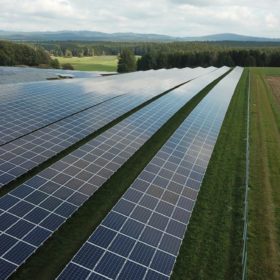
Ayana Renewable acquires 40 MW PV projects from First Solar
This marks the first such acquisition for the Bengaluru-based developer as it looks to acquire high-quality operating renewable assets to ensure a balanced risk portfolio.

Value of PV imports tanked 83% in second quarter
Mercom India Research has said the quarterly value of solar cell and module imports was down 83% in the second quarter of the year, compared to the same period of 2019, to sit 54% lower than the value recorded in the January-to-March window.

IIT researchers consider fate of end-of-life solar modules
Scientists at the Indian Institute of Technology in New Delhi have taken a close look at the potential impact of growing volumes of PV waste and conducted surveys which suggest a lot more work is needed from manufacturers and policymakers to develop management systems for end-of-life PV products.

The long read: Solar vs. salty drinking water
A solar array – complete with battery storage and remote monitoring and control capabilities – has been transforming brackish groundwater into fresh drinking water in the village of Beyo Gulan in the Somaliland desert since 2018. The installation was developed by Germany’s Phaesun. Its unique combination of low-maintenance electrodialysis desalination with PV saw it pick up an Outstanding Projects award from The smarter E. Phaesun’s Géraldine Quelle and Florian Martini say they are honored by the plaudits, and are readying the system for series production.