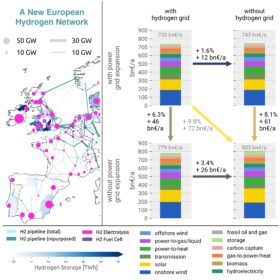
The Hydrogen Stream: Hydrogen grid could cut Europe’s energy costs by 3.4%
German researchers say gas-grid retrofits for hydrogen transport, combined with power grid expansion, could decarbonize Europe’s economy, while S&P says the global ammonia trade could expand by nearly 10 times by 2050.
The Hydrogen Stream: Scientists use perovskite compound to store ammonia
Japanese scientists have developed an organic-inorganic halide perovskite compound for the chemical storage of ammonia (NH3), while Bosch is preparing to exhibit new products in the hydrogen value chain.
Tata Steel, UK to support low-carbon hydrogen projects for industrial decarbonization
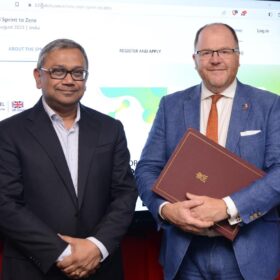
The Indian steel giant, along with the UK government, has opened a call for innovative projects in low-carbon hydrogen to decarbonize the industrial sector. Two selected projects will be awarded £80,000 (INR 83 lakh) and provided priority access to Tata Steel’s integrated steel plant.
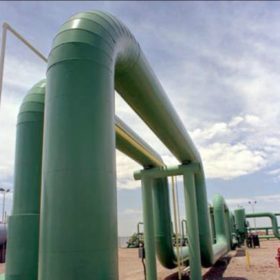
India drafts R&D roadmap for green hydrogen ecosystem
The draft R&D roadmap recommends research and development actions for each part of the green hydrogen value chain, including hydrogen production, storage, transport, and end-use applications.
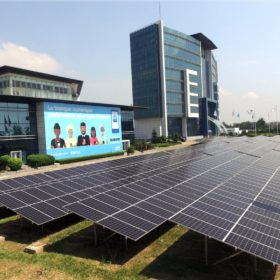
Africa50 signs MoU with International Solar Alliance to support PV projects across Africa
Africa50 and International Solar Alliance (ISA) will leverage each other’s networks to mobilize funding and raise awareness of African solar projects in European and Indian markets.
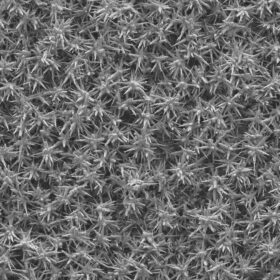
Metallic-alloy coating improves hydrogen production
Oxford nanoSystems (OnS) has started working with electrolyzer manufacturers to test and scale up hydrogen production.

World Bank approves $1.5 billion to support India’s low-carbon transition
The World Bank has approved $1.5 billion in financing to accelerate India’s development of low-carbon energy. The financing will help India scale up renewable energy, develop green hydrogen, and stimulate climate finance for low-carbon energy investments.
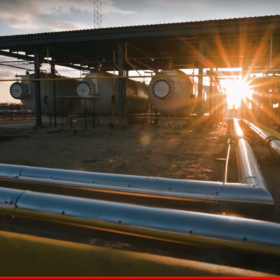
Govt releases incentive guidelines for green hydrogen, electrolyzer production
The Ministry of New and Renewable Energy (MNRE) has notified the guidelines for its incentive schemes to promote the domestic production of green hydrogen and electrolyzers.
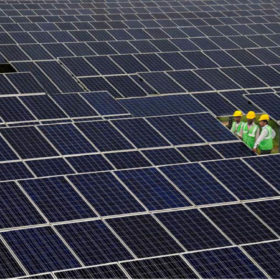
Avaada Group closes $1.3 billion funding round
The integrated energy company has closed $1.3 billion in financing for its green hydrogen, green methanol, green ammonia, solar manufacturing, and renewable power generation ventures.
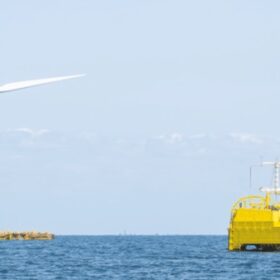
Lhyfe launches world’s first offshore hydrogen project
Lhyfe has started producing offshore hydrogen via a pilot project in France, and Toyota and its partners have agreed to invest in hydrogen in Thailand. The Australian authorities, meanwhile, have approved a hydrogen project in Victoria.