BMW selects KPIT software for next-generation EV charging electronics
The engagement covers software development, integration, and maintenance of combined powertrain coordination unit including charging control, and extends over several years.
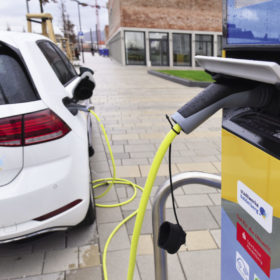
Installers sought for 1,000 EV charging stations nationwide
Contractors will be required to identify sites and develop, operate and maintain interoperable electric chargers in more than 75 cities.
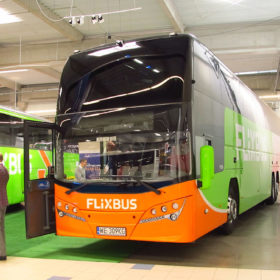
FAME II program backs more than 27,000 EVs
The second phase of the Faster Adoption and Manufacturing of (Hybrid) and Electric Vehicles program offers purchase incentives for electric and hybrid vehicles and also supports charging infrastructure.
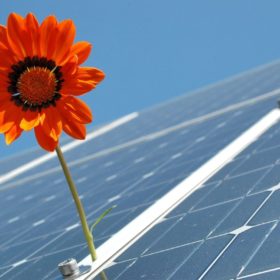
Study explores feasibility of North India’s renewables transition
The region could, by 2050, cut greenhouse gas emissions from power, heat, transport and desalination which are expected to add up to more than 825 metric tons of carbon dioxide equivalent this year. Such a transition could be perfectly possible, technically and financially.
Tata Motors, Hyundai bag 250 EV supply order from government
The electric vehicles—150 units of Nexon XZ+ and 100 Kona electric—will replace Central and State Governments’ existing fleet of petrol and diesel vehicles.
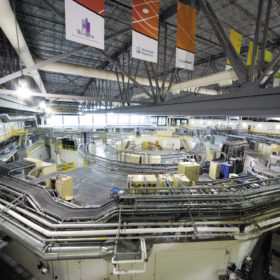
The long read: A highly promising cobalt-free battery for electric vehicles
We increasingly need safe, affordable, and powerful batteries as we move to greener technologies. Battery-powered electric cars, for example, have much higher safety standards than our phones, and for such vehicles to travel long distances, lighter batteries with higher energy density and rapid-charging capabilities would make a world of difference. Majid Rasool, a postdoctoral fellow at McGill University, discusses a potential solution.
Sona Comstar, IIT Delhi launch incubation program for EV startups
The program aims at supporting the development of innovative electric vehicle (EV) solutions like extending range through battery capacity improvements, and battery management, fast charging infrastructure, and mobile charging solutions for emergencies. Two startups shall be supported each year with up to INR 80 lakh each to complete proof of concept and develop prototypes.
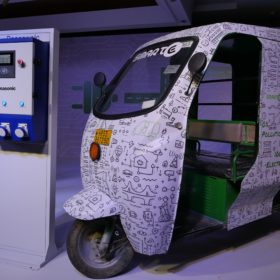
Government allows sale, registration of electric vehicles without pre-fitted batteries
Delinking the battery (which accounts for 30-40% of the total vehicle cost) will bring the upfront cost of the electric 2-wheelers (2W) and 3-wheelers (3W) to be lower than internal combustion engine counterparts. The battery could be provided separately by the original equipment manufacturer or the energy service provider.
Government priority is to make Li-ion batteries in India: Transport minister
The government is acquiring lithium mines abroad to ensure raw material availability for electric vehicle battery production. Among other technology alternatives for EVs, it is looking at developing indigenous hydrogen fuel cells with hydrogen derived from biomass.
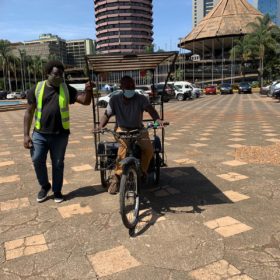
The long read: PV + e-mobility = economic development
Mobility in rural Kenya is currently flooded with unsustainable CO2-emitting motorcycles that pose a threat to the environment and public health. But the electric tricycle is an environmentally friendly alternative, and Solar E-cycles – a homegrown Kenyan startup – believes a leasing model could unlock a ton of three-wheeled potential.