The long read: Charging EVs with solar
Gautham Ram completed an electrical engineering degree in his home city of Chennai, India, and won a scholarship to complete a master’s at TU Delft in the Netherlands. He subsequently completed a PhD on the topic of charging EVs with solar. Speaking with pv magazine, Ram gave insights on his life, ongoing research, and his thoughts on EVs and charging.
FAME II subsidy scheme extended by two years
The second phase of the Faster Adoption and Manufacturing of (Hybrid) and Electric Vehicles (FAME) subsidy scheme to promote electric mobility in India will now run until March 31, 2024.
The long read: The ‘other side’ of batteries
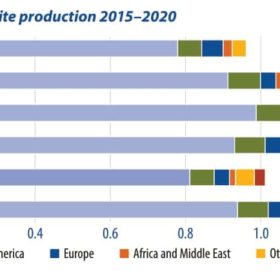
Graphite’s pivotal role in electric-vehicle battery technology is coming under increasing scrutiny. Graphite is almost exclusively produced in China, and while the processing of the mineral poses serious environmental issues, the alternatives appear costly. Ian Morse looks at what’s next for critical graphite supplies.
In India, 67.6 million people live in cities embracing renewable energy in a big way
As of 2020, only 13 cities in India had renewable energy targets and/or policies in place. These cities, however, are home to a significant 67.6 million people.
India, Sweden to fund joint R&D in renewable energy and storage
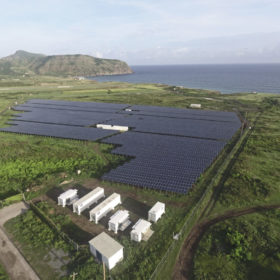
The Department of Science & Technology, Government of India, and the Swedish Agency for Innovation Systems (Vinnova) have issued a call for joint R&D proposals in renewable energy, electric vehicles and energy storage. The deadline for the submission of proposals is May 6.
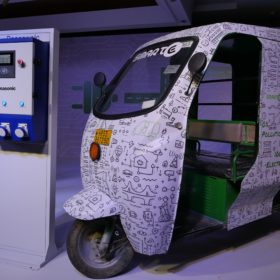
Indian electric rickshaw market could hit US$1.4 billion by 2025
The electric rickshaw market would grow at 33.3% annually over five years to touch $1,394.2 million by 2025.
Spanish EV startup selects ION Energy’s battery management system
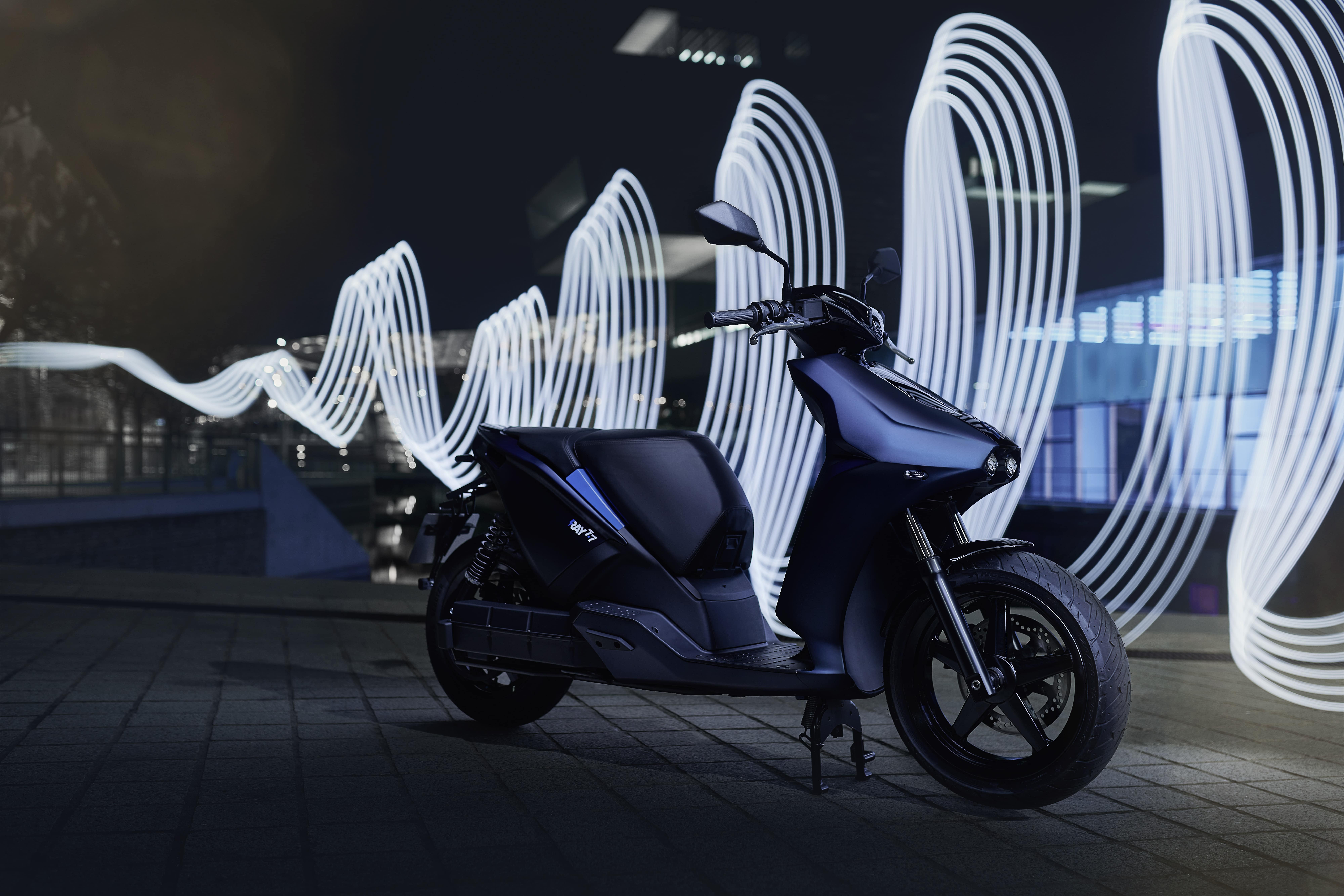
The Spanish startup will use ION’s advanced battery management and intelligence technologies for its electric scooter, the RAY 7.7.
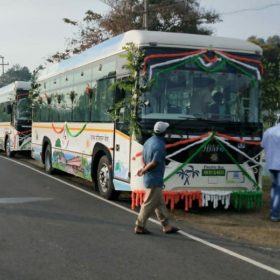
Andaman island rolls out electric buses
The project, comprising a fleet of 40 electric buses, is being implemented by NTPC Vidyut Vyapar Nigam Limited.
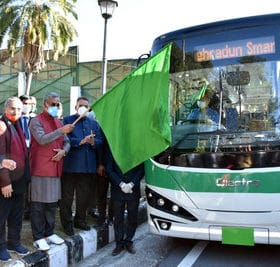
Uttarakhand rolls out electric bus service
The hill state in northern India has added the electric bus footprint with the service flagged off in the capital city Dehradun. The state government plans to start 30 such eco-friendly electric buses in this financial year. The buses, supplied by Olectra Greentech, will run in Dehradun, Mussoorie, Rishikesh and Haridwar.
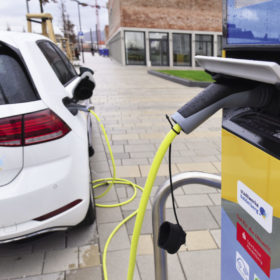
Government planning electric vehicle charging kiosks at 69,000 petrol pumps
An underdeveloped charging ecosystem is one of the many factors restricting the uptake of electric four-wheelers in India. A limited number of products and higher costs than combustion-engine powered vehicles are the other deterrents.