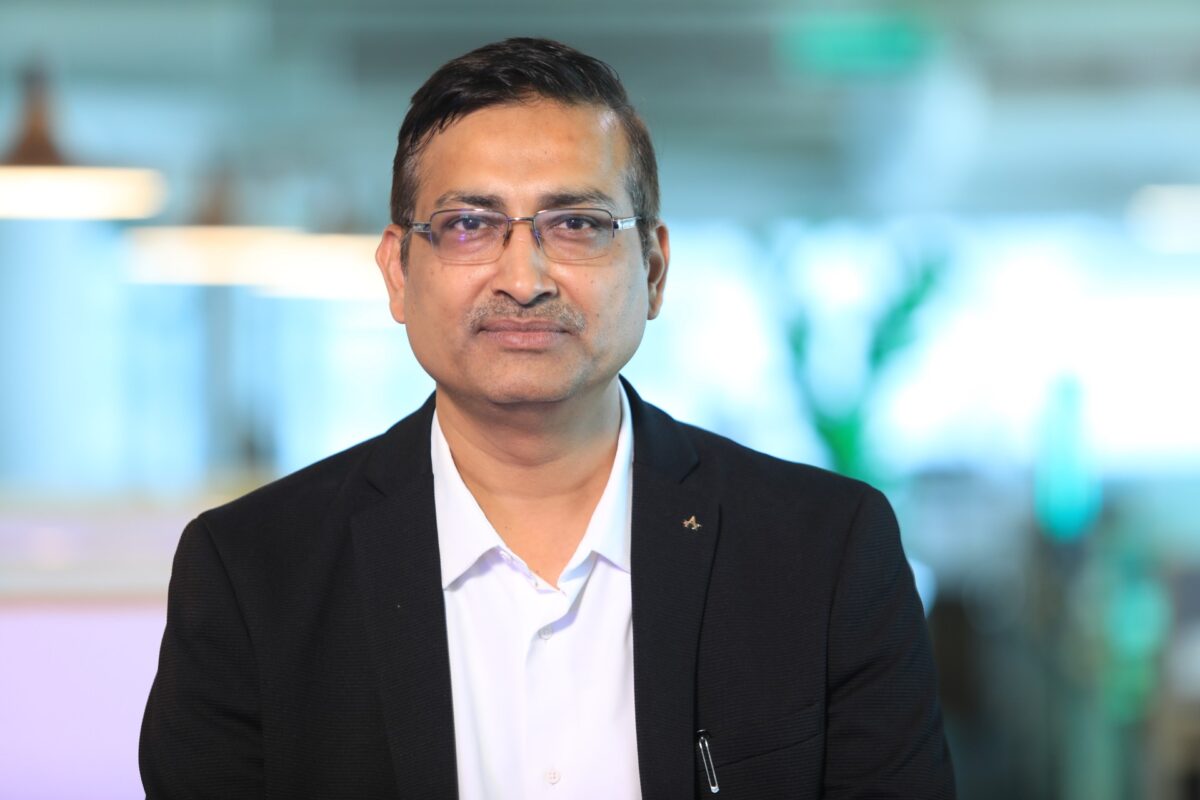





India is making rapid strides towards a greener future, setting long-term climate objectives of net-zero emissions by 2070 and leading the global clean energy movement by 2047. In fact, the country aims to achieve 500 GW of non-fossil fuel capacity by 2030, with nearly 300 GW of solar contributing to this figure.
As we move decisively toward our long-term climate goals and build hundreds of gigawatts of renewable capacity, the focus must shift from headline installations to system reliability. In that transition, cabling is not an accessory; it is core infrastructure.
Sophisticated manufacturing for challenging environments
Whether utility-scale solar farms or rooftop solar arrays, all solar systems depend on power wiring and cabling to achieve their designed performance levels. To provide the necessary performance in PV environments, cabling must meet stringent requirements, including exposure to prolonged periods of UV and thermal cycling, mechanical shocks caused by the PV modules, and many sources of contaminants found in the environment. In addition, the use of bifacial modules, tracking systems and higher voltage installations (1500 V DC) necessitates that the cabling systems also provide higher levels of conductivity, reduced energy loss, and superior tensile strength.
According to industry forecasts, to achieve a total installed solar capacity of 300 GW by 2030, the country will need at least 25 GW of capacity each year, as well as an increase in the quantity and quality of balance of system (BOS) components. However, this high growth rate poses significant challenges for the solar industry. Supply chain disruptions, constraints on raw materials (particularly copper and polymers), and unreliable imports of components all threaten to adversely impact the timely delivery of solar projects. Additionally, the use of low-quality cabling systems negatively affects solar energy system performance, creates excessive energy losses, and increases both maintenance costs and overall system life cycle costs.
Addressing solar deployment challenges with high-performance cabling
In an industry where even a small fraction of percentage impacts efficiency, it is critical to ensure that all cables used in solar energy applications are UV-resistant, halogen-free, and flame-retardant. This creates a strategic opportunity for domestic manufacturers with vertically integrated manufacturing capabilities, sophisticated quality control programs, and a commitment to sustainability.
By leveraging their in-house capabilities of drawing copper, developing and compounding sophisticated polymers, and utilising advanced automated extrusion processes, these manufacturers provide consistently high-quality conductors with the appropriate mechanical properties, dimensional uniformity, dielectric strength, and thermal performance, all of which are essential to the successful operation of solar energy systems in challenging environments. In addition, these companies are certified to use IEC 62930/01, IS:694, and other standards specifically developed for the solar cable industry, which further establishes performance reliability for large-scale applications.
Securing India’s global position in solar supply chain
From a growth standpoint, strategically growing manufacturing capabilities, optimisation of supply chain management and investment into research and development for next-generation cabling products will support India’s national objectives. Enhancing domestic manufacturing capacity will not only decrease dependency on imports but also solidify India’s global solar supply chain position. High-performance cabling systems will lead to lower balance of systems costs, greater system uptime, and longer useful life of assets, all critical components of a sustainable energy transition.
As India’s electrification story intersects with the growth in the use of electric vehicles (EVs) and other distributed energy resources (DERs), the need for high-quality cables will continue to increase. The solar-EV synergy, which involves putting rooftop solar energy onto smart charging infrastructures, will require cable types that allow for bidirectional power flow, microinverter compatibility, and fast charging circuit capabilities, without compromising safety levels.
Globally, energy transitions succeed not on ambition alone, but on execution discipline. India’s solar story will be no different. If we want assets that perform for 25 years, we must build them with the same long-term mindset—where trust, durability, and engineering depth take precedence over short-term cost.
The views and opinions expressed in this article are the author’s own, and do not necessarily reflect those held by pv magazine.
This content is protected by copyright and may not be reused. If you want to cooperate with us and would like to reuse some of our content, please contact: editors@pv-magazine.com.





By submitting this form you agree to pv magazine using your data for the purposes of publishing your comment.
Your personal data will only be disclosed or otherwise transmitted to third parties for the purposes of spam filtering or if this is necessary for technical maintenance of the website. Any other transfer to third parties will not take place unless this is justified on the basis of applicable data protection regulations or if pv magazine is legally obliged to do so.
You may revoke this consent at any time with effect for the future, in which case your personal data will be deleted immediately. Otherwise, your data will be deleted if pv magazine has processed your request or the purpose of data storage is fulfilled.
Further information on data privacy can be found in our Data Protection Policy.