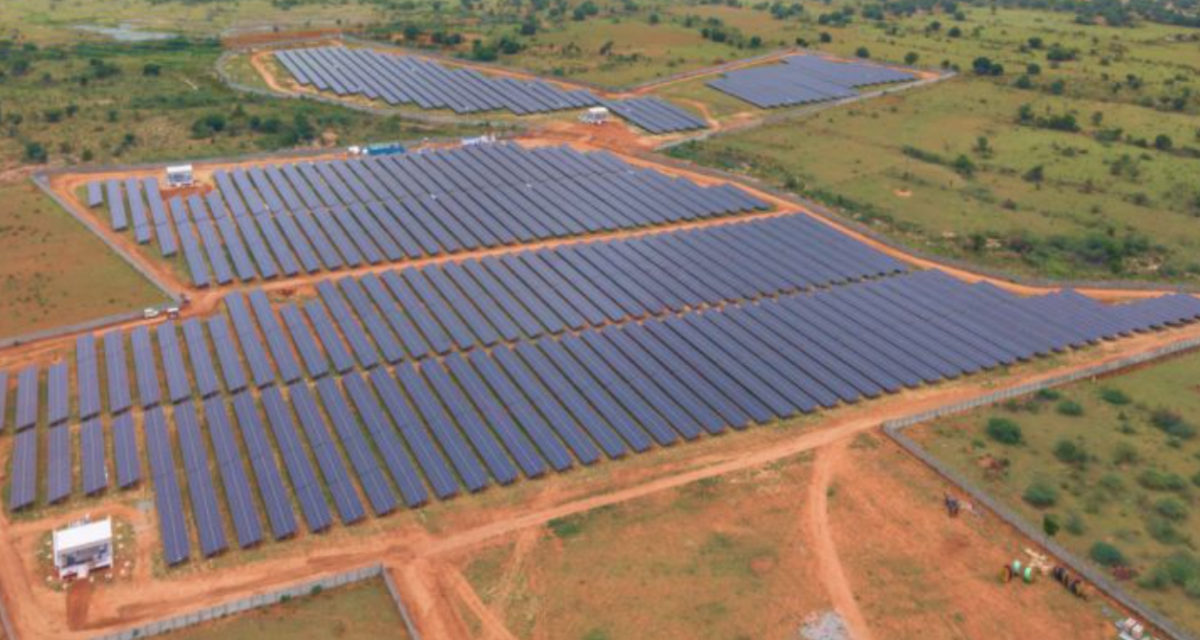





India’s renewable energy transition has gathered remarkable momentum in recent years, driven not only by ambitious government policies but increasingly by corporate demand for clean power. At the centre of this shift lies the Open Access Solar model, a market-based mechanism that allows commercial and industrial (C&I) consumers to procure solar electricity directly from independent power producers, bypassing traditional distribution companies (discoms).
As Indian businesses integrate environmental, social, and governance (ESG) commitments into their long-term strategies, open access solar is emerging as the force powering India’s corporate sustainability engine—helping companies reduce energy costs, decarbonise operations, and meet ambitious climate targets.
The Open Access Solar Landscape in India
Solar power has rapidly become the backbone of India’s renewable energy ecosystem. The country added a record 35 GW of solar capacity in 2025, contributing to a 44.5 GW surge in total renewable energy additions during the year.
Within this expansion, the open access solar segment—which enables off-site renewable power supply to C&I consumers—has witnessed notable growth. According to industry estimates, India’s cumulative open access solar capacity reached approximately 27.9 GW by September 2025, after adding nearly 6.1 GW in the first nine months of the year, marking a 13% year-on-year increase from 2024.
Earlier in 2025, cumulative capacity stood at around 24.6 GW by mid-year, with 3.8 GW added in the first half alone, underscoring sustained corporate interest despite regulatory and infrastructure challenges.
States such as Karnataka, Maharashtra, and Gujarat have emerged as leaders in open access adoption, driven by favourable policies, strong industrial demand, and proactive renewable energy ecosystems.
Why Corporates Are Turning to Open Access Solar
For Indian corporations, open access solar offers a powerful combination of economic and sustainability benefits.
- Cost Savings and Energy Security
Open access solar tariffs are often lower than conventional grid electricity, enabling businesses to secure long-term power at predictable prices. This shields companies from volatile fossil-fuel-linked tariffs while reducing operating costs—an important advantage for energy-intensive sectors. - ESG and Decarbonisation Goals
With global ESG frameworks gaining prominence, businesses are under increasing pressure to demonstrate measurable reductions in their carbon footprint. Procuring renewable energy through open access enables companies to directly account for clean energy consumption, supporting compliance with global sustainability initiatives such as CDP, RE100, and TCFD. - Investor and Stakeholder Confidence
Environmental performance is becoming a critical factor in investment decisions. By adopting open access solar, companies can demonstrate credible climate action, strengthening investor confidence and potentially improving access to capital.
Overcoming Key Challenges
Despite its growth, the open access sector faces execution hurdles. Early 2025 data showed a temporary slowdown in installations, with quarterly additions dropping due to module shortages, transmission constraints, and delayed connectivity approvals.
These challenges highlight the urgent need for stronger grid infrastructure, faster regulatory approvals, and streamlined connectivity processes to sustain growth in the segment.
Additionally, the gradual phase-out of the Inter-State Transmission System (ISTS) charges waiver—which previously incentivised renewable power procurement—could affect project economics and developer confidence if not addressed through supportive policy measures.
Open Access as a Corporate ESG Catalyst
Today, ESG commitments are no longer symbolic—they are strategic imperatives shaping business decisions. Many leading Indian companies are aligning renewable procurement with Scope 2 emissions reduction targets, entering into long-term power purchase agreements (PPAs) through open access frameworks.
This approach helps companies advance Science-Based Targets initiative (SBTi) commitments, improve sustainability rankings, and strengthen brand credibility in both domestic and global markets.
At a national level, open access solar also supports India’s broader climate ambitions. The country aims to achieve 500 GW of non-fossil fuel capacity by 2030, with renewables expected to account for nearly 35% of the energy mix by the end of the decade. Corporate adoption of renewable energy will play a crucial role in accelerating this transition while helping businesses decarbonise their operations and supply chains.
Looking Ahead
As India’s renewable ecosystem continues to mature, open access solar is set to become a cornerstone of corporate energy strategy—delivering both financial savings and sustainability gains.
Policy clarity, improved transmission infrastructure, and incentives for storage integration will be critical to unlocking the next phase of growth.
For companies seeking to reduce emissions, enhance operational resilience, and attract ESG-focused capital, open access solar is no longer just an alternative—it is becoming a strategic necessity. By harnessing the power of the sun through open access, India’s corporate sector can play a defining role in building a low-carbon, resilient, and sustainable energy future.
The views and opinions expressed in this article are the author’s own, and do not necessarily reflect those held by pv magazine.
This content is protected by copyright and may not be reused. If you want to cooperate with us and would like to reuse some of our content, please contact: editors@pv-magazine.com.





By submitting this form you agree to pv magazine using your data for the purposes of publishing your comment.
Your personal data will only be disclosed or otherwise transmitted to third parties for the purposes of spam filtering or if this is necessary for technical maintenance of the website. Any other transfer to third parties will not take place unless this is justified on the basis of applicable data protection regulations or if pv magazine is legally obliged to do so.
You may revoke this consent at any time with effect for the future, in which case your personal data will be deleted immediately. Otherwise, your data will be deleted if pv magazine has processed your request or the purpose of data storage is fulfilled.
Further information on data privacy can be found in our Data Protection Policy.