




From pv magazine USA
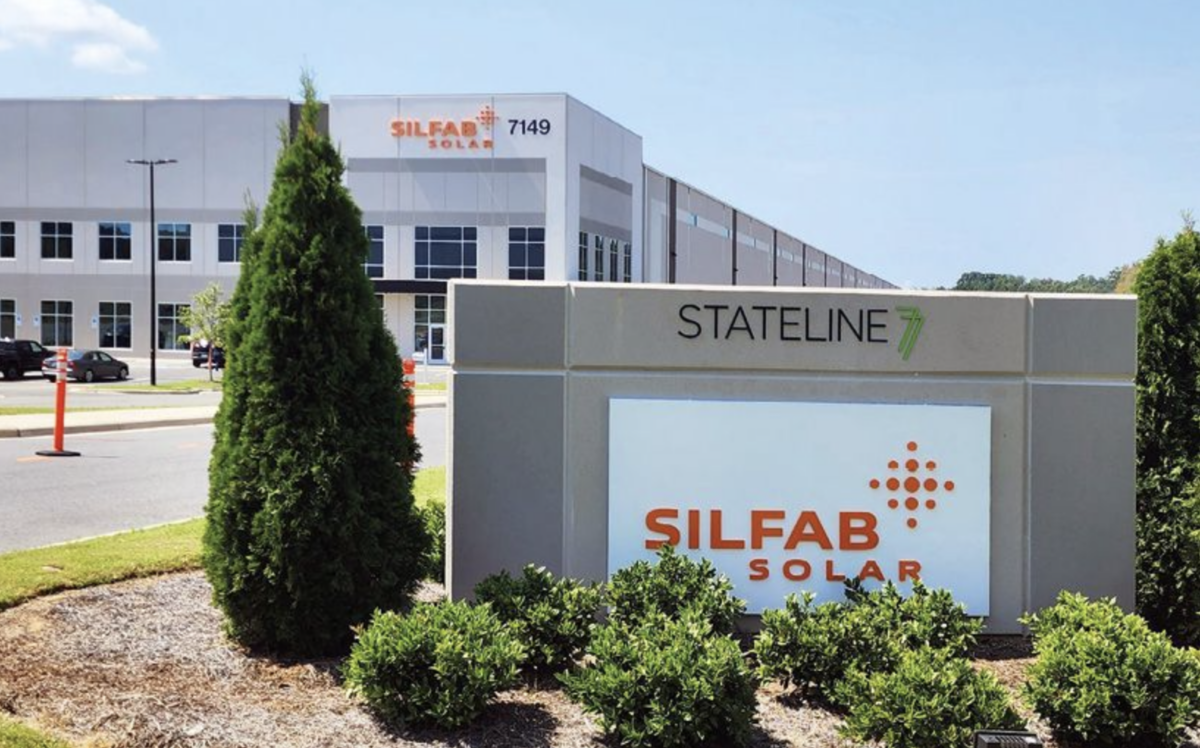
Silfab Solar’s $150 million factory in Fort Mill, South Carolina, has been ordered to cease all manufacturing operations, just weeks after a York County Circuit Court dismissed a zoning challenge against its facility.
The South Carolina Department of Environmental Services (SCDES), in coordination with the EPA, has launched a comprehensive investigation following two chemical releases reported within a single week.
The first incident occurred on March 3, involving the release of approximately 300 gallons of potassium hydroxide. According to SCDES, the solution reached an onsite stormwater retention pond before being contained. This was followed on March 5 by a reported “drip” of hydrofluoric acid, a highly corrosive agent used in the etching of solar cells.
While Silfab Solar officials characterized the second leak as minor, the proximity of the plant to Flint Hill Elementary School in Fort Mill prompted a two-day closure of the campus out of an “abundance of caution.”
The regulatory response has been swift. SCDES issued a “total stop” directive mandating that Silfab remain offline until a root-cause analysis is completed and a third-party engineer certifies the safety of all chemical systems.
South Carolina Attorney General Alan Wilson also weighed in, issuing a public safety advisory and demanding a full accounting of safety protocols by the end of the week.
The incidents have reignited local political friction that has followed the project since its inception. State Sen. Michael Johnson (R-York) has called for the York County Council to rescind the facility’s operating licenses, citing concerns over the handling of hazardous materials in a “Light Industrial” zone.
Silfab Solar, which has expanded its US footprint to leverage Inflation Reduction Act incentives, claimed that its redundant safety systems performed as designed.
Silfab Solar Director of Operations Greg Basden described the school closures as an “overreaction” and expressed confidence that the plant would resume assembly shortly. For now, however, the 1 GW facility remains dormant as federal and state investigators audit its risk management plan.
This content is protected by copyright and may not be reused. If you want to cooperate with us and would like to reuse some of our content, please contact: editors@pv-magazine.com.




By submitting this form you agree to pv magazine using your data for the purposes of publishing your comment.
Your personal data will only be disclosed or otherwise transmitted to third parties for the purposes of spam filtering or if this is necessary for technical maintenance of the website. Any other transfer to third parties will not take place unless this is justified on the basis of applicable data protection regulations or if pv magazine is legally obliged to do so.
You may revoke this consent at any time with effect for the future, in which case your personal data will be deleted immediately. Otherwise, your data will be deleted if pv magazine has processed your request or the purpose of data storage is fulfilled.
Further information on data privacy can be found in our Data Protection Policy.