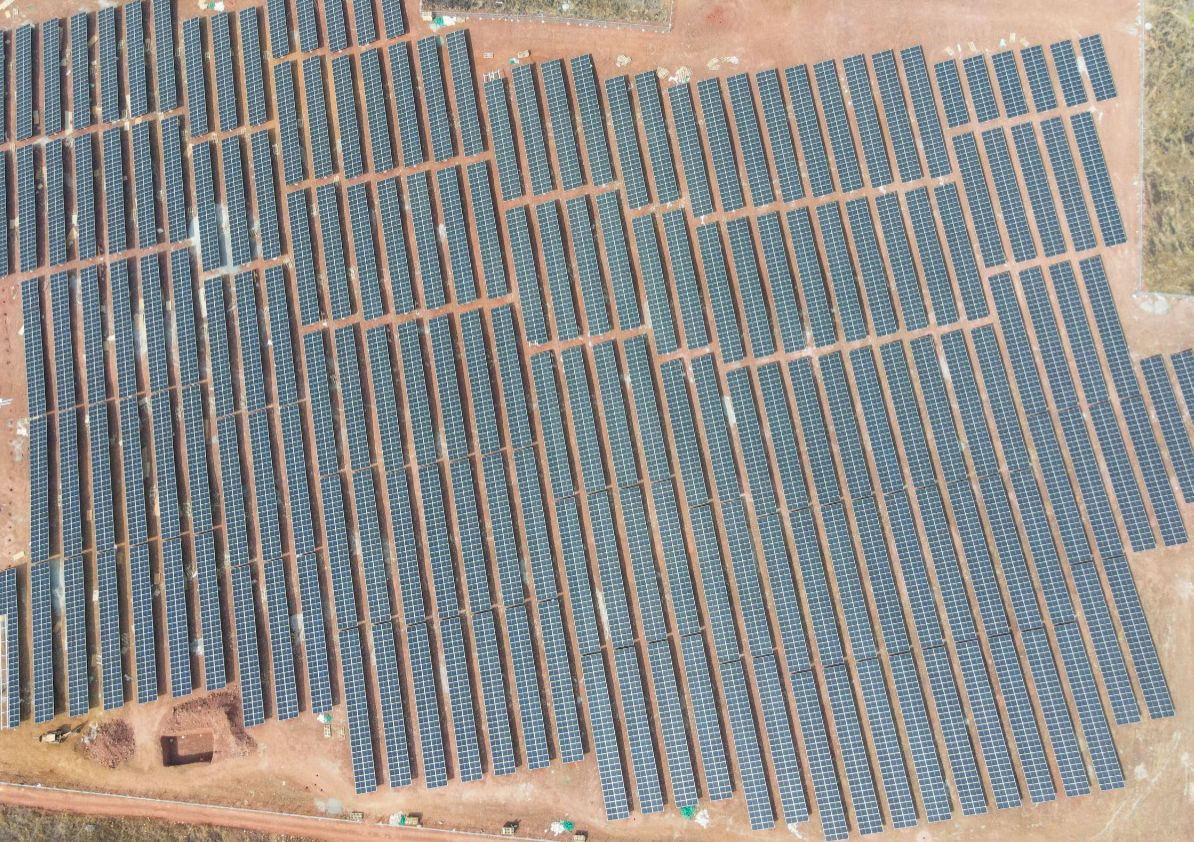





Industrial buyers are taking a more considered view of energy decisions. What was once addressed largely through tariff negotiations is now approached as a choice that shapes how reliably operations run, how confidently plans are made, and how businesses position themselves over time.
Energy reliability influences production schedules in very real ways. Cost predictability supports steadier financial planning. Sustainability commitments increasingly sit alongside customer expectations and regulatory oversight. As these elements come together, energy decisions naturally move closer to the centre of everyday business thinking.
This is reshaping how buyers engage with the energy market. Alongside commercial terms, there is a greater appreciation for continuity, shared responsibility, and solutions that can remain effective as conditions change. For many industrial buyers, this means favouring energy relationships that offer long-term alignment and confidence, rather than focusing only on outcomes defined at the negotiating table.
What follows is a change in intent with a closer look at how energy decisions are being made in practice.
From cost-centric buying to strategic energy thinking
Industrial energy procurement has broadened in scope. Tariffs remain an important part of the decision, alongside a wider set of considerations. Buyers now weigh reliability, predictability, sustainability, and long-term exposure alongside price. This reflects a more complete understanding of how energy choices play out across operations and planning horizons. Decisions are increasingly guided by how well they support the business over time.
Energy volatility and the limits of tariff arbitrage
Price-led sourcing can still deliver savings, but it now involves more variables. Changes in grid charges, fuel costs, policy, and transmission conditions make short-term price advantages harder to sustain. In response, many buyers are taking a more measured view. Instead of chasing every tariff movement, they are placing greater value on stability, clarity, and outcomes they can plan around. The focus is shifting toward energy choices that feel dependable over time, even if they trade a small degree of short-term optimisation for consistency.
Energy as a business continuity and competitiveness lever
Energy performance contributes to operating confidence across the business. Reliable supply, consistent power quality, and predictable costs support production planning and supply commitments in practical, day-to-day ways. What often becomes apparent over time is that energy decisions shape how much operational slack a business carries. When energy behaves predictably, teams plan with greater assurance. When it does not, even well-designed processes begin to feel constrained. For this reason, energy strategy features naturally in discussions on capacity expansion, risk preparedness, and competitive positioning, influencing how effectively these priorities are carried through over time.
The rise of partnership-led energy models
Managing energy through multiple, disconnected vendors often creates confusion and added effort for businesses. As industrial buyers move away from paper compliance and toward actually consuming green energy, energy sourcing becomes more complex to plan and manage. This shift is being driven less by regulatory pressure and more by a conscious decision to secure long-term cost stability and credible sustainability outcomes.
Models such as open access, group captive, rooftop, hybrid, and storage-linked solutions require coordination across design, execution, and long-term operations. Because of this, buyers tend to look for partners who can take end-to-end responsibility, rather than vendors who simply enable compliance or individual transactions. Strong partnerships help ensure that energy solutions reflect how the business uses power in practice, making outcomes more stable, transparent, and easier to manage over time.
Sustainability, ESG and regulatory alignment
Sustainability goals, ESG commitments, and customer expectations are increasingly shaping how businesses think about responsibility alongside performance. While Renewable Purchase Obligations (RPOs) exist as a regulatory requirement, enforcement today remains uneven, with limited consequences for non-compliance. In this context, tools such as Renewable Energy Certificates (REC) are gradually losing relevance, as they offer a way to meet obligations on paper without delivering real operational or environmental value. Many leading industrial buyers are therefore choosing a different path. Instead of waiting for penalties to drive action, they are moving toward direct consumption of green energy because it offers clear benefits, including long-term cost stability, greater certainty in energy planning, and stronger ESG credibility. Energy sourcing, in this setting, becomes less about ticking compliance boxes and more about making thoughtful, future-facing business decisions.
Integrated solutions over isolated assets
There is growing comfort with energy approaches that are designed to work together from the start. When generation, storage, scheduling, forecasting, and monitoring are thoughtfully connected, they create a system that is easier to understand and easier to live with over time. Rather than managing individual pieces, buyers gain a clearer view of how energy is performing as a whole.
Across the life of an energy system, this integration brings practical benefits. It reduces day-to-day complexity, supports better decision-making, and allows value to be realised more consistently, without placing additional demands on internal teams.
Trust, transparency and long-term accountability
Energy partnerships are built around trust and continuity. Transparent pricing, clearly defined outcomes, and shared risk frameworks help create alignment well beyond commissioning. Buyers value partners who stay engaged over time and respond thoughtfully as conditions change, bringing reassurance into the relationship.
As these partnerships mature, expectations follow naturally. Greater visibility, digital energy management, flexible contracting, and future-ready infrastructure are becoming important considerations. Buyers appreciate partners who can anticipate needs and support informed decisions as energy strategies develop.
Looking ahead
Industrial buyers continue to approach energy decisions with care, with price remaining an important consideration. Alongside this, there is a growing understanding that strong energy strategies are shaped by choice rather than enforcement. In a market where compliance mechanisms exist but are not always strictly policed, many futuristic businesses are choosing to consume green energy because it aligns with how they want to manage cost risk, credibility, and long-term resilience.
Energy strategy partnerships reflect this shift. They represent a move toward real outcomes, stable relationships, and decisions that hold up as businesses grow and evolve. Ultimately, the true measure of an energy strategy lies in how reliably it supports day-to-day operations, planning confidence, and continuity over time.
The views and opinions expressed in this article are the author’s own, and do not necessarily reflect those held by pv magazine.
This content is protected by copyright and may not be reused. If you want to cooperate with us and would like to reuse some of our content, please contact: editors@pv-magazine.com.




By submitting this form you agree to pv magazine using your data for the purposes of publishing your comment.
Your personal data will only be disclosed or otherwise transmitted to third parties for the purposes of spam filtering or if this is necessary for technical maintenance of the website. Any other transfer to third parties will not take place unless this is justified on the basis of applicable data protection regulations or if pv magazine is legally obliged to do so.
You may revoke this consent at any time with effect for the future, in which case your personal data will be deleted immediately. Otherwise, your data will be deleted if pv magazine has processed your request or the purpose of data storage is fulfilled.
Further information on data privacy can be found in our Data Protection Policy.