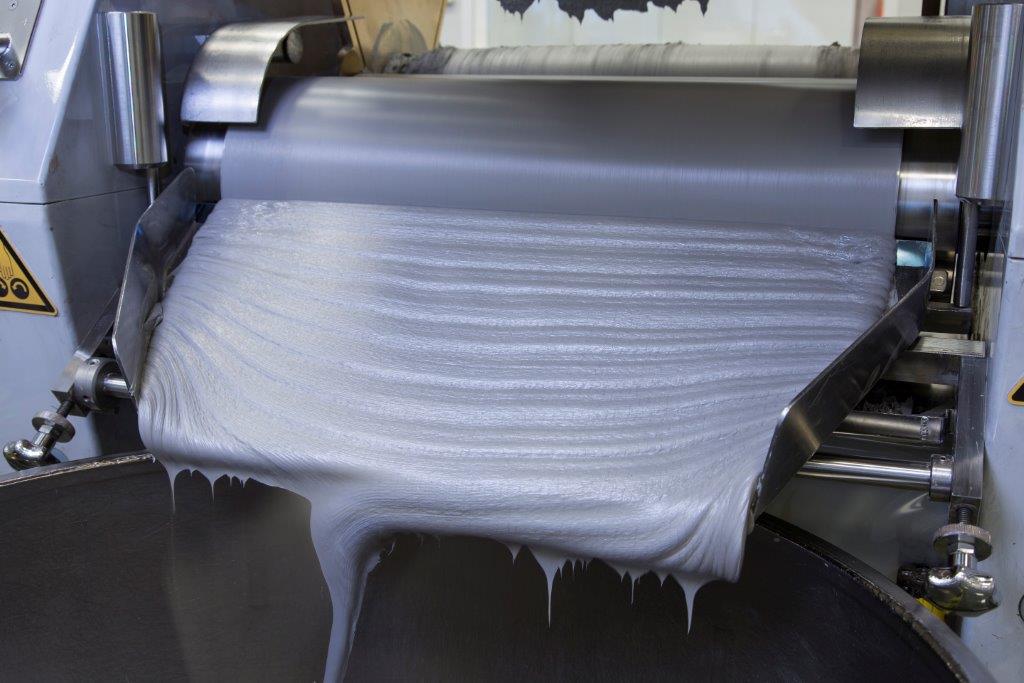





Rising silver prices are causing concern across much of the solar industry. In a recent report, Heraeus said that despite some recent declines, silver remains 187% higher than at the start of 2025.
Silver paste accounts for up to 30% of total solar cell costs, creating a difficult environment for manufacturers already facing overcapacity, falling module prices and squeezed margins. Companies are exploring alternative metallization technologies and other ways to reduce silver consumption.
Heraeus noted that cutting silver use is not straightforward. In 2011, when silver reached $50 per ounce, manufacturers intensified cost-cutting efforts and sought alternatives. Over the following three years, silver demand in photovoltaic applications fell by about 30%, even as global solar installations nearly doubled. Demand did not return to 2011 levels until 2016, by which time the global silver market had nearly tripled.
Photovoltaic manufacturers are increasingly evaluating copper as a substitute. Heraeus cautioned that technical challenges remain and that further reductions are harder to achieve, given the significant savings already made since 2011. Copper performs well in back-contact cells, which still represent a small share of the market. Using copper in conventional top-contact cells is more complex. Longi has announced plans to switch to copper-based metallization for mass production this year, while DK Electronic Materials is developing high-copper solutions. For large-scale top-contact manufacturers, silver-coated copper paste may offer the most viable path.
Heraeus estimates that silver demand in photovoltaics reached around 195 million ounces last year. With global PV installations projected to remain stable at about 655 GW, silver demand from the sector is expected to decline further as substitution efforts continue.
This content is protected by copyright and may not be reused. If you want to cooperate with us and would like to reuse some of our content, please contact: editors@pv-magazine.com.





By submitting this form you agree to pv magazine using your data for the purposes of publishing your comment.
Your personal data will only be disclosed or otherwise transmitted to third parties for the purposes of spam filtering or if this is necessary for technical maintenance of the website. Any other transfer to third parties will not take place unless this is justified on the basis of applicable data protection regulations or if pv magazine is legally obliged to do so.
You may revoke this consent at any time with effect for the future, in which case your personal data will be deleted immediately. Otherwise, your data will be deleted if pv magazine has processed your request or the purpose of data storage is fulfilled.
Further information on data privacy can be found in our Data Protection Policy.