




From pv magazine LatAm
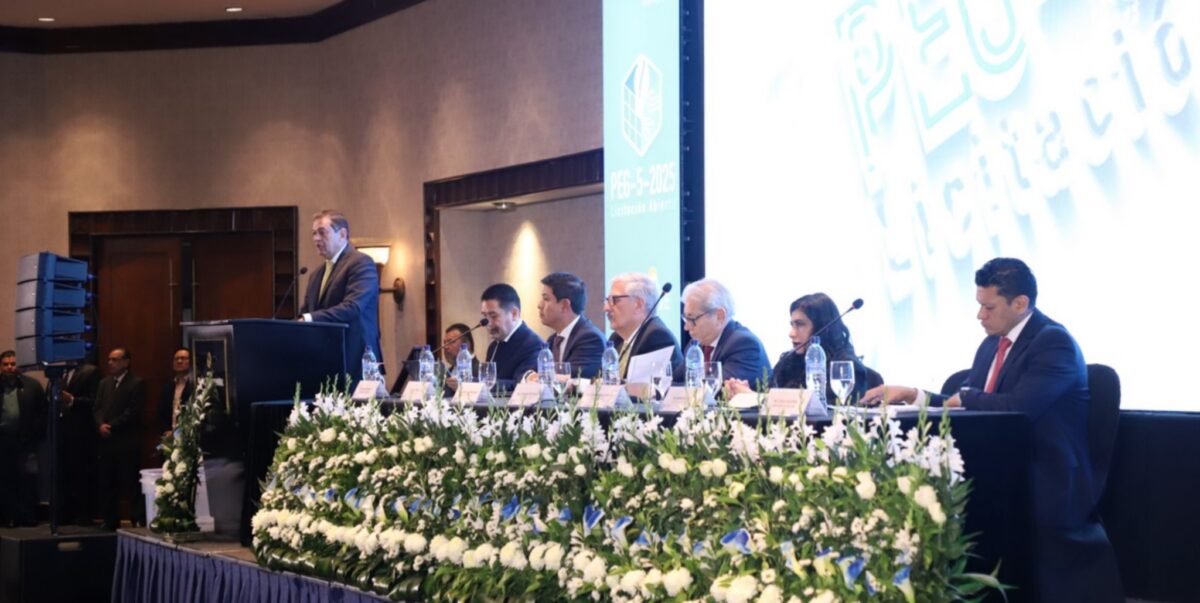
Guatemala’s PEG-5 electricity tender has attracted 51 companies offering nearly 4.7 GW of capacity – more than three times the 1,400 MW sought. Around 2,000 MW of the proposals are solar projects, including hybrid systems with storage.
The Ministry of Energy and Mines and the National Electric Energy Commission (CNEE) opened the technical bids under the PEG-5, considered the largest electricity tender in Guatemala’s history. The process seeks to contract firm capacity and associated energy for distributors EEGSA and Energuate to ensure long-term supply amid projected demand growth.
A total of 59 companies purchased the tender documents and 51 submitted formal bids. Of the nearly 4,700 MW proposed, about 2,000 MW correspond to solar photovoltaic projects, including hybrid systems paired with storage. Approximately 700 MW are thermal projects, mainly natural gas, with the remainder coming from other renewable and conventional sources.
The contracts, which may run for up to 15 years, are scheduled to begin between 2030 and 2033. Authorities estimate the tender could mobilize more than $3.7 billion in investment, positioning it as one of the largest energy infrastructure investment drivers in Central America.
Oversubscription is expected to increase competitive pressure in the reverse auction set for March 25, when financial bids will be disclosed. Contract awards are scheduled for April 16, with projects to begin supplying power in stages between 2030 and 2033.
Energy Minister Víctor Hugo Ventura said the process forms part of the government’s strategy to advance universal electrification and address new hourly demand peaks driven by industrial expansion and rising residential consumption.
The tender is framed within the Law of Incentives for the Development of Renewable Energy Projects, which grants tax and tariff exemptions of up to 10 years for technologies including solar, wind, hydro and geothermal. When the process was presented in April 2025, estimated investment in generation and transmission was projected at between $3 billion and $5 billion.
Author: Luis Ini
This content is protected by copyright and may not be reused. If you want to cooperate with us and would like to reuse some of our content, please contact: editors@pv-magazine.com.




By submitting this form you agree to pv magazine using your data for the purposes of publishing your comment.
Your personal data will only be disclosed or otherwise transmitted to third parties for the purposes of spam filtering or if this is necessary for technical maintenance of the website. Any other transfer to third parties will not take place unless this is justified on the basis of applicable data protection regulations or if pv magazine is legally obliged to do so.
You may revoke this consent at any time with effect for the future, in which case your personal data will be deleted immediately. Otherwise, your data will be deleted if pv magazine has processed your request or the purpose of data storage is fulfilled.
Further information on data privacy can be found in our Data Protection Policy.