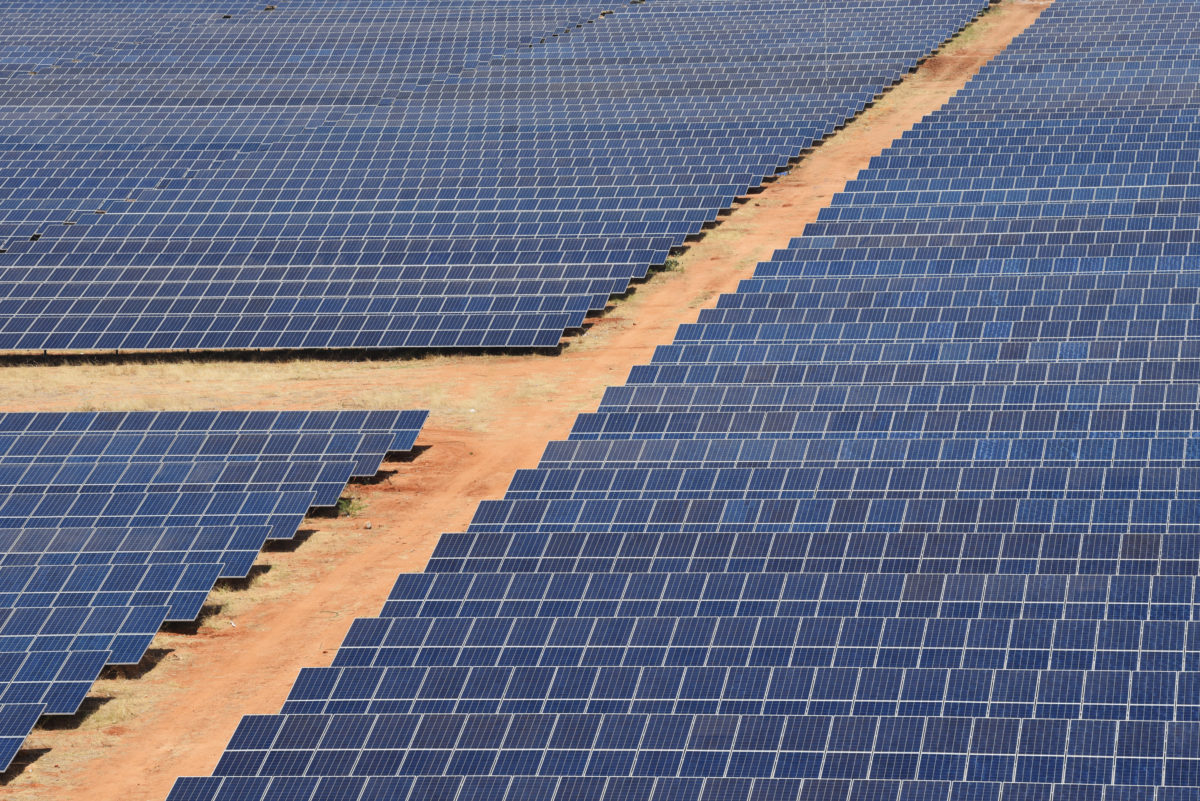





Diversified energy firm Avaada Group has inaugurated eleven solar power plants in Maharashtra’s Yavatmal district under the Mukhyamantri Saur Krushi Vahini Yojana (MSKVY) 2.0—a scheme aimed at providing farmers with reliable daytime power for irrigation while advancing the state’s clean energy transition.
The projects include a 4 MW plant at Kinhi, 3 MW each at Baldi and Dongarkharda, 2 MW each at Bansi and Patan, 5 MW at Mhasola, 2 MW at Galwa, 4 MW each at Pathrad and Parjana, and 3 MW each at Sawargaon and Sarfali.
Nearly 14,900 farmers across 167 villages stand to benefit directly through improved irrigation facilities, lower costs, and additional income opportunities.
Avaada is executing over 1,132 MW of solar power projects across key districts including Nashik, Pune, Sangli, Yavatmal, Ahmednagar and Beed under the scheme.
MSKVY 2.0, an upgraded version of the programme launched in 2017, seeks to solarise 30% of agricultural feeders by developing around 7,000 MW of cumulative decentralised solar capacity from projects in the 0.5–25 MW range, located close to high-load substations.
The scheme promises multiple benefits. For farmers, it ensures a reliable supply of daytime electricity for irrigation pumps, eliminating dependence on night-time operations and reducing risks from accidents and wildlife encounters. Lower electricity bills and reduced fuel expenses from diesel generators translate into higher financial stability, while consistent power enables better crop planning and higher yields. Farmers can also earn lease income by allowing solar projects on barren land.
Solar-based agriculture power also lowers the subsidy burden on discoms and the state, reduces procurement costs, and improves grid efficiency by cutting transmission losses. Local economies also benefit from investment in decentralised infrastructure.
This content is protected by copyright and may not be reused. If you want to cooperate with us and would like to reuse some of our content, please contact: editors@pv-magazine.com.





By submitting this form you agree to pv magazine using your data for the purposes of publishing your comment.
Your personal data will only be disclosed or otherwise transmitted to third parties for the purposes of spam filtering or if this is necessary for technical maintenance of the website. Any other transfer to third parties will not take place unless this is justified on the basis of applicable data protection regulations or if pv magazine is legally obliged to do so.
You may revoke this consent at any time with effect for the future, in which case your personal data will be deleted immediately. Otherwise, your data will be deleted if pv magazine has processed your request or the purpose of data storage is fulfilled.
Further information on data privacy can be found in our Data Protection Policy.