




From pv magazine International
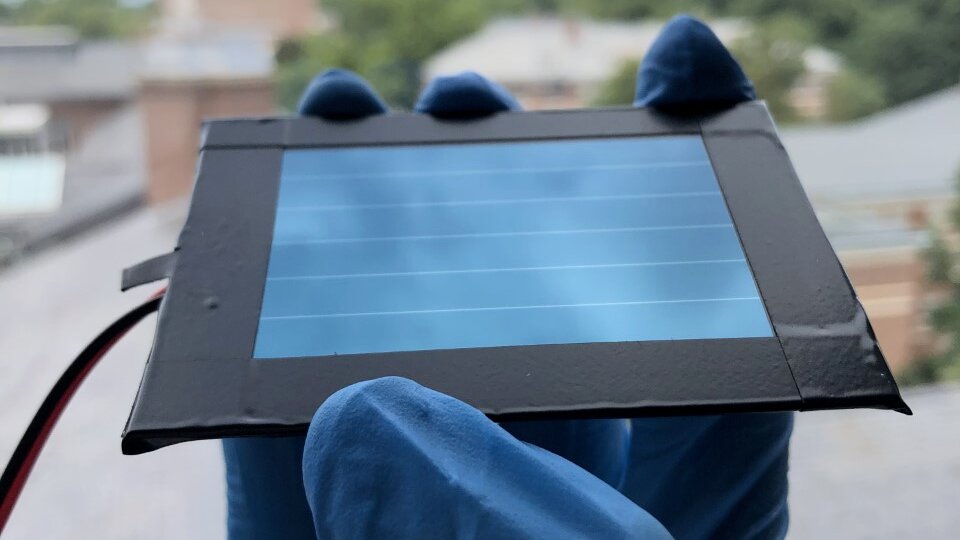
Perovskite solar cell technology has come a long way in a relatively short time, but there are still plenty of issues that need to be ironed out to support large-scale production.
Scientists at the University of North Carolina (UNC) say that one of these issues is the annealing (heating and slow cooling) process that perovskites undergo. Many fabrication processes take too long, presenting a significant bottleneck in mass production. The UNC scientists estimate that for long annealing times to keep up with the speed at which perovskites films are produced, manufacturers would need a 500-meter-long oven.
The UNC scientists said that cutting this annealing process down to three minutes at 100 C could actually lead to better performance. The group puts this down to a previously unknown de-doping process within the perovskite, which ultimately leads to lower recombination losses and better efficiency.
To read more, please visit our site pv magazine International
This content is protected by copyright and may not be reused. If you want to cooperate with us and would like to reuse some of our content, please contact: editors@pv-magazine.com.





By submitting this form you agree to pv magazine using your data for the purposes of publishing your comment.
Your personal data will only be disclosed or otherwise transmitted to third parties for the purposes of spam filtering or if this is necessary for technical maintenance of the website. Any other transfer to third parties will not take place unless this is justified on the basis of applicable data protection regulations or if pv magazine is legally obliged to do so.
You may revoke this consent at any time with effect for the future, in which case your personal data will be deleted immediately. Otherwise, your data will be deleted if pv magazine has processed your request or the purpose of data storage is fulfilled.
Further information on data privacy can be found in our Data Protection Policy.