Opinion
Advertisement
Advertisement
Advertisement
All Opinion news

Can India scale data centres without raising emissions?
The question is no longer whether India can scale its data centre footprint, but whether it can do so while maintaining discipline on energy consumption, emissions, and resource utilisation. The answer to this will define the credibility and resilience of the industry in the decade ahead.
Oct 09, 2026
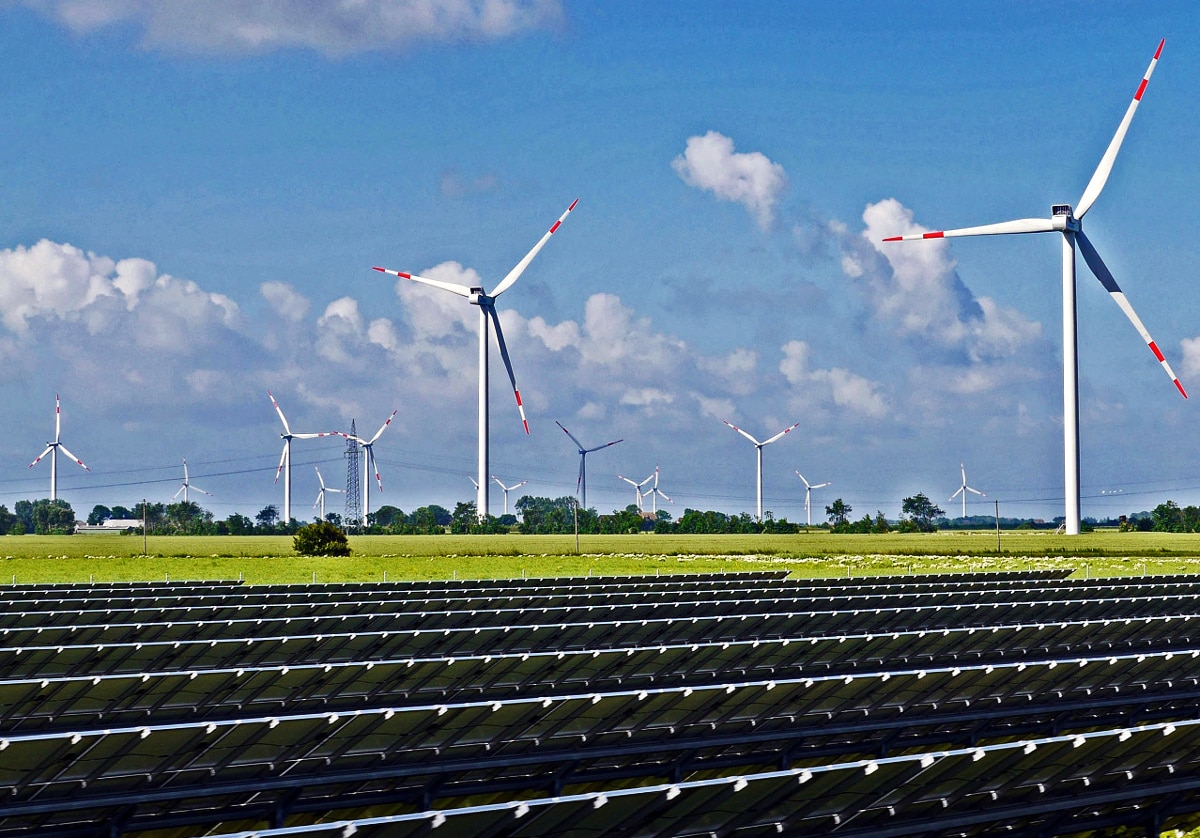
India’s energy security challenge is no longer about supply, it’s about resilience
As renewable energy capacity grows, variability becomes more important. Storage, flexible generation, stronger transmission networks and responsive grid controls will increasingly determine how reliably power can be delivered while grid stability is maintained.

Advertisement
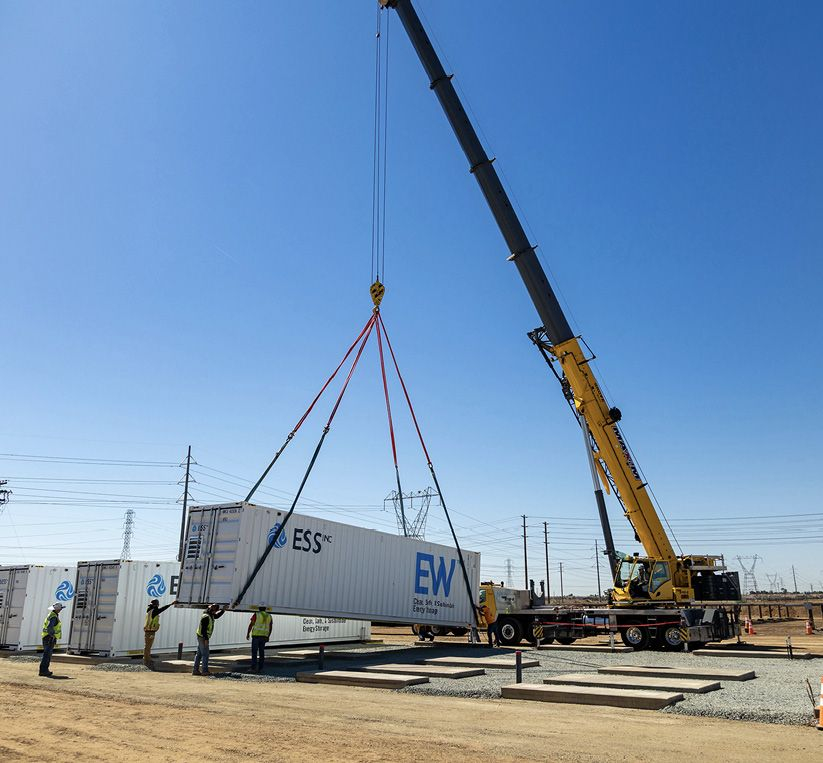
The U.S. market is writing its own sodium-ion spec
Sodium-ion batteries are rapidly transitioning from promising alternative to commercial reality in the U.S. energy storage market, but navigating federal domestic content policies, complex FEOC sourcing rules, and stringent UL 9540A safety testing remains crucial for developers seeking to deploy scalable, bankable projects.
Oct 07, 2026
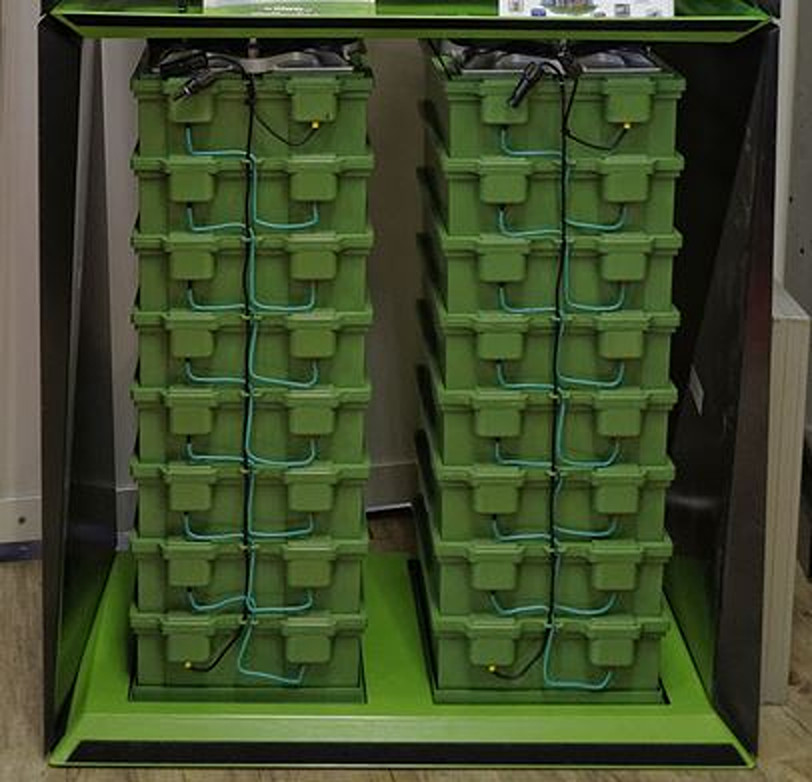
Sodium-ion batteries: the next frontier or the next risk?
While sodium-ion offers a compelling long-term solution to flattening LFP cost curves and tight supply chains, its lack of field-validated performance data transfers significant technology and bankability risks directly onto developer balance sheets.

The new role of solar EPCs: From project installers to long-term energy partners
An EPC partner that gets the engineering right but is slow to respond when something breaks still loses the customer’s confidence. Faster service response and performance guarantees tied to plant availability are increasingly being described by industry voices as where the sector is headed next.
Advertisement

The case for vertical BIPV
A major IEA PVPS Task 15 study finds that vertical BIPV façades can complement rooftop solar with minimal yield penalties, smoothing generation across the day while offering greater design flexibility. Across 357 configurations in 44 cities, the research also shows BIPV economics improve substantially when avoided building-material costs are counted, with long-term viability shaped by electricity prices, financing, installation costs, and application type.

Beyond the battery: Building India’s electronics backbone for the energy transition
The energy-storage value chain should not be viewed only through the lens of battery chemistry and gigawatt-hours. There is a parallel value chain developing around the battery, covering design, PCBA, embedded controls, power electronics, sensing, communication, testing and system integration.
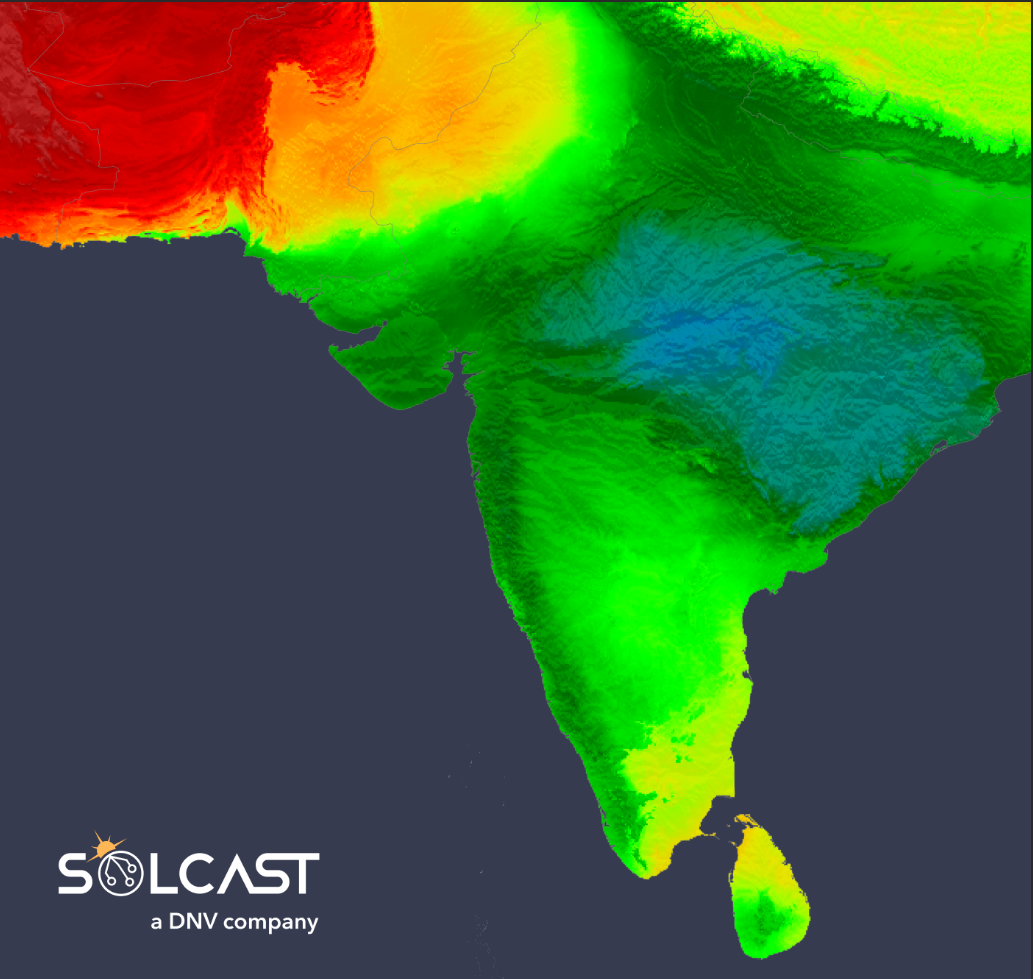
Weaker monsoon lifts irradiance in western India as August storms dim the east
In a new weekly update for pv magazine, Solcast, a DNV company, reports that northwestern and southern India and Pakistan recorded above-average solar irradiance during the 2026 summer monsoon, benefiting major PV-producing regions, while tropical depressions drove irradiance sharply below average across eastern and central India. Favorable solar conditions helped support Indian PV generation and electricity exports to Nepal after late-August floods damaged hydropower plants and other energy infrastructure there.
Advertisement