Opinion
Advertisement
Advertisement
Advertisement
All Opinion news
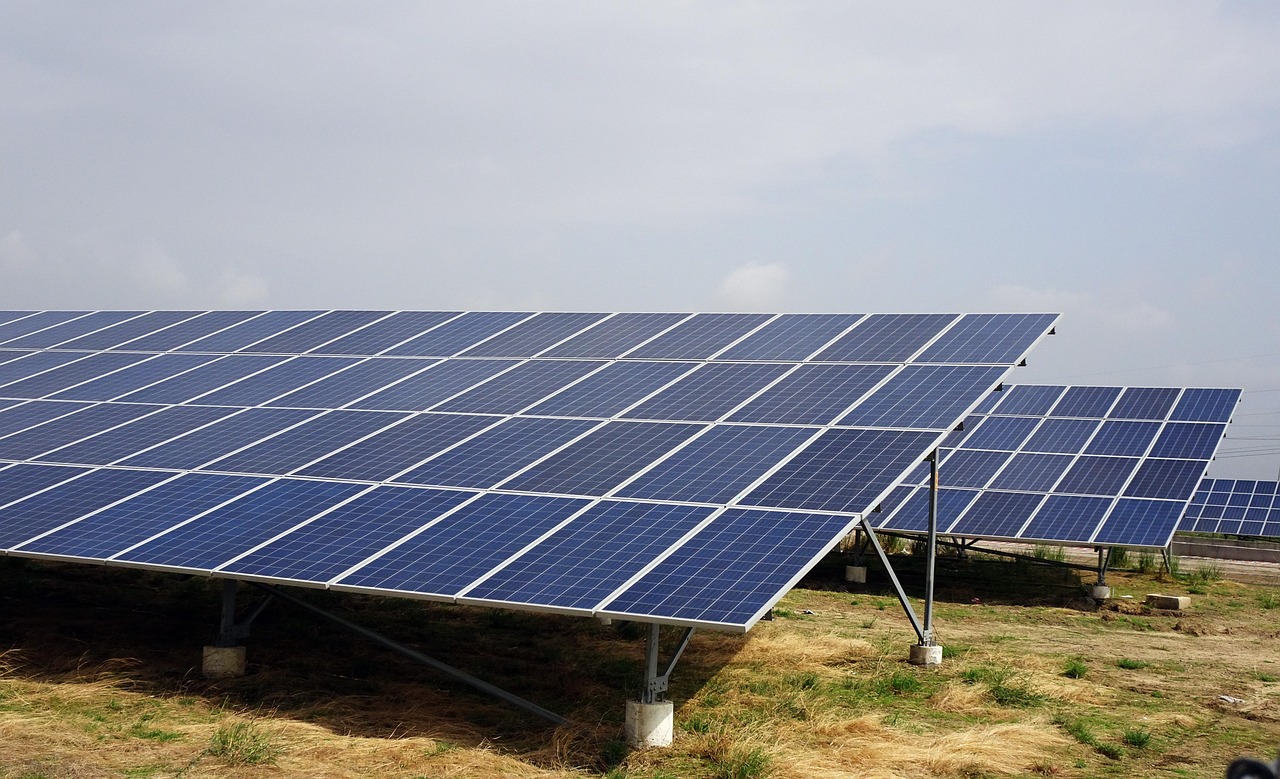
Odisha needs INR1.1 lakh crore to expand renewable energy, storage, and grid infrastructure
A new report by the Institute for Energy Economics and Financial Analysis (IEEFA) proposes a three-pronged financing strategy, including a dedicated transition fund, to mobilise capital for clean energy and support a more resilient economy.
16 hours ago

From connected plants to intelligent industry: India’s next digital transformation
The real opportunity lies in combining India’s engineering depth with its growing digital capabilities. The factories and energy systems of the future will not necessarily be those with the largest number of sensors, the most sophisticated dashboards or the greatest volume of data. They will be the ones that can sense earlier, understand faster and act with greater precision.

How India is pioneering a sustainable, self-reliant EV battery ecosystem
India’s battery industry is still taking shape, and it will rely on others for several raw materials for some time. What has changed is that manufacturing, renewable power, new chemistries and recycling are now being planned as parts of one system. If cell plants come online on time and run on clean power, and recycling targets are enforced, India can cut its import bill and give local makers more control over how batteries are sourced, made and recovered.
Advertisement


Beyond Gigawatts: Why India’s clean energy future depends on storage intelligence
The battery creates flexibility. The intelligence behind it determines how much of that flexibility the grid can harness. The next clean energy benchmark for India, therefore, might not just be a new number of gigawatts. It might be the ability to get the maximum out of every gigawatt.

Can India scale data centres without raising emissions?
The question is no longer whether India can scale its data centre footprint, but whether it can do so while maintaining discipline on energy consumption, emissions, and resource utilisation. The answer to this will define the credibility and resilience of the industry in the decade ahead.
Advertisement
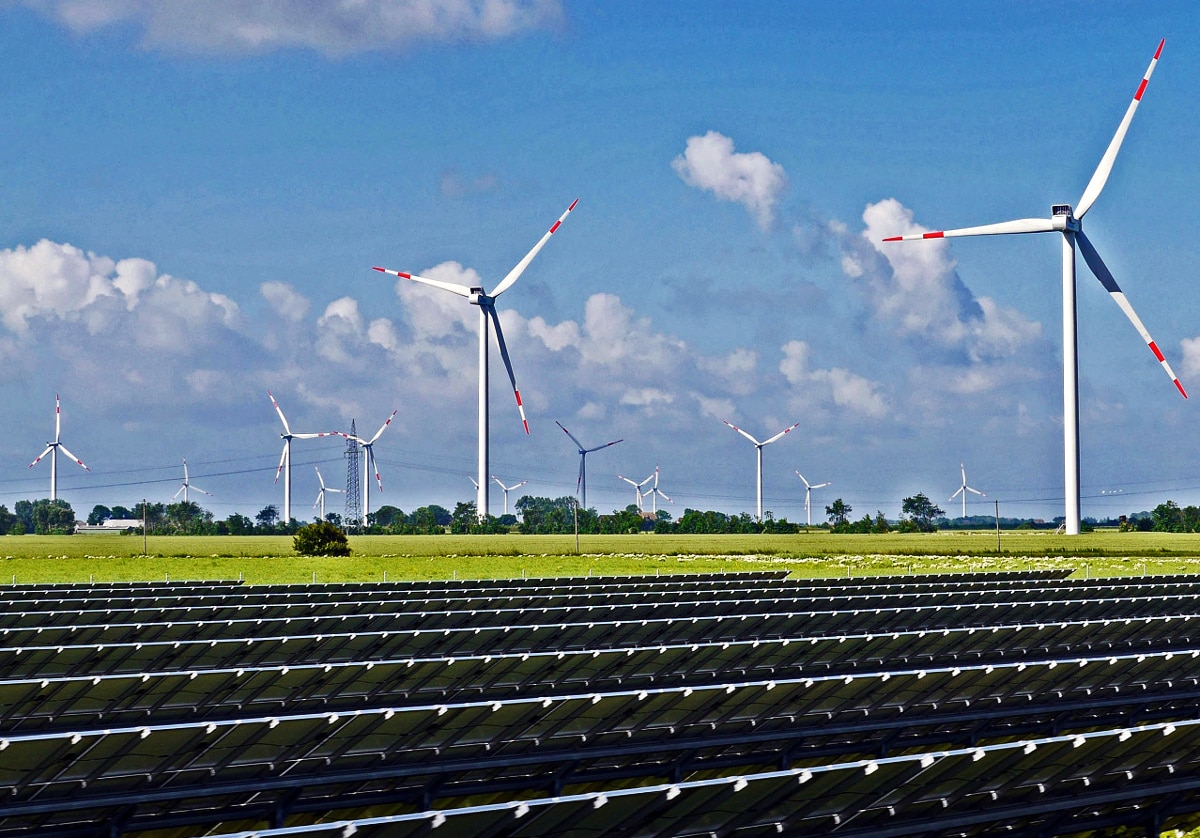
India’s energy security challenge is no longer about supply, it’s about resilience
As renewable energy capacity grows, variability becomes more important. Storage, flexible generation, stronger transmission networks and responsive grid controls will increasingly determine how reliably power can be delivered while grid stability is maintained.

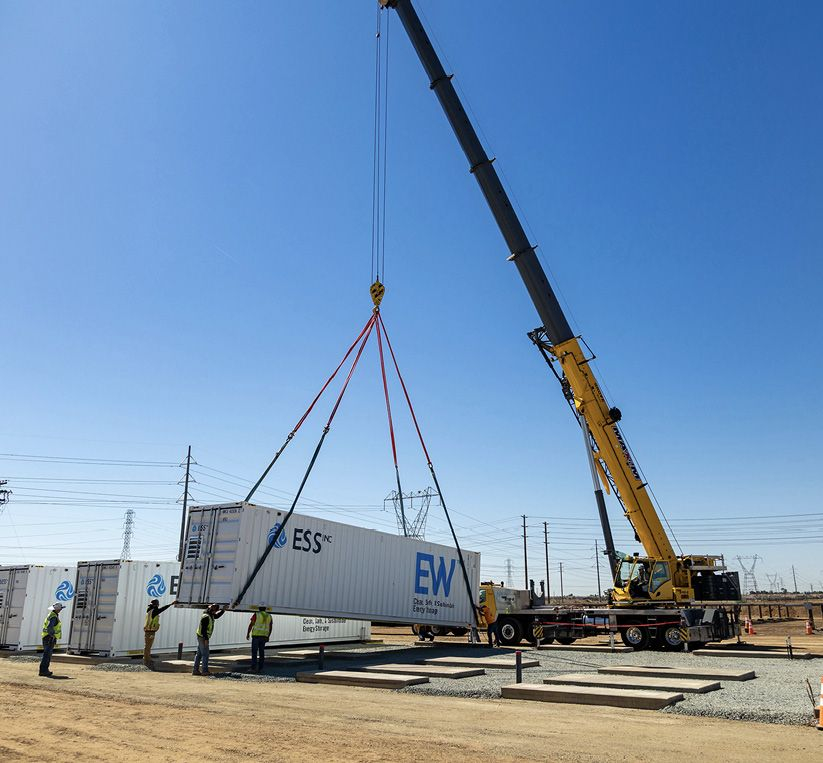
The U.S. market is writing its own sodium-ion spec
Sodium-ion batteries are rapidly transitioning from promising alternative to commercial reality in the U.S. energy storage market, but navigating federal domestic content policies, complex FEOC sourcing rules, and stringent UL 9540A safety testing remains crucial for developers seeking to deploy scalable, bankable projects.
Oct 07, 2026
Advertisement