Research & Development

As India scales up solar deployment, innovation is critical to address climate conditions, grid variability, and cost targets. This category features R&D efforts by institutions like NISE, IITs, and CSIR, along with startups and corporate labs pushing the boundaries of PV technology. Topics include improvements in perovskite and TOPCon cells, localized durability testing, AI-based performance analytics, and grid-friendly energy storage systems. We also cover collaborative international research, pilot projects, and innovations tailored to India’s tropical climate, monsoon challenges, and rural electrification needs—laying the groundwork for a resilient, efficient solar future.
Advertisement
Advertisement
Advertisement
Latest News
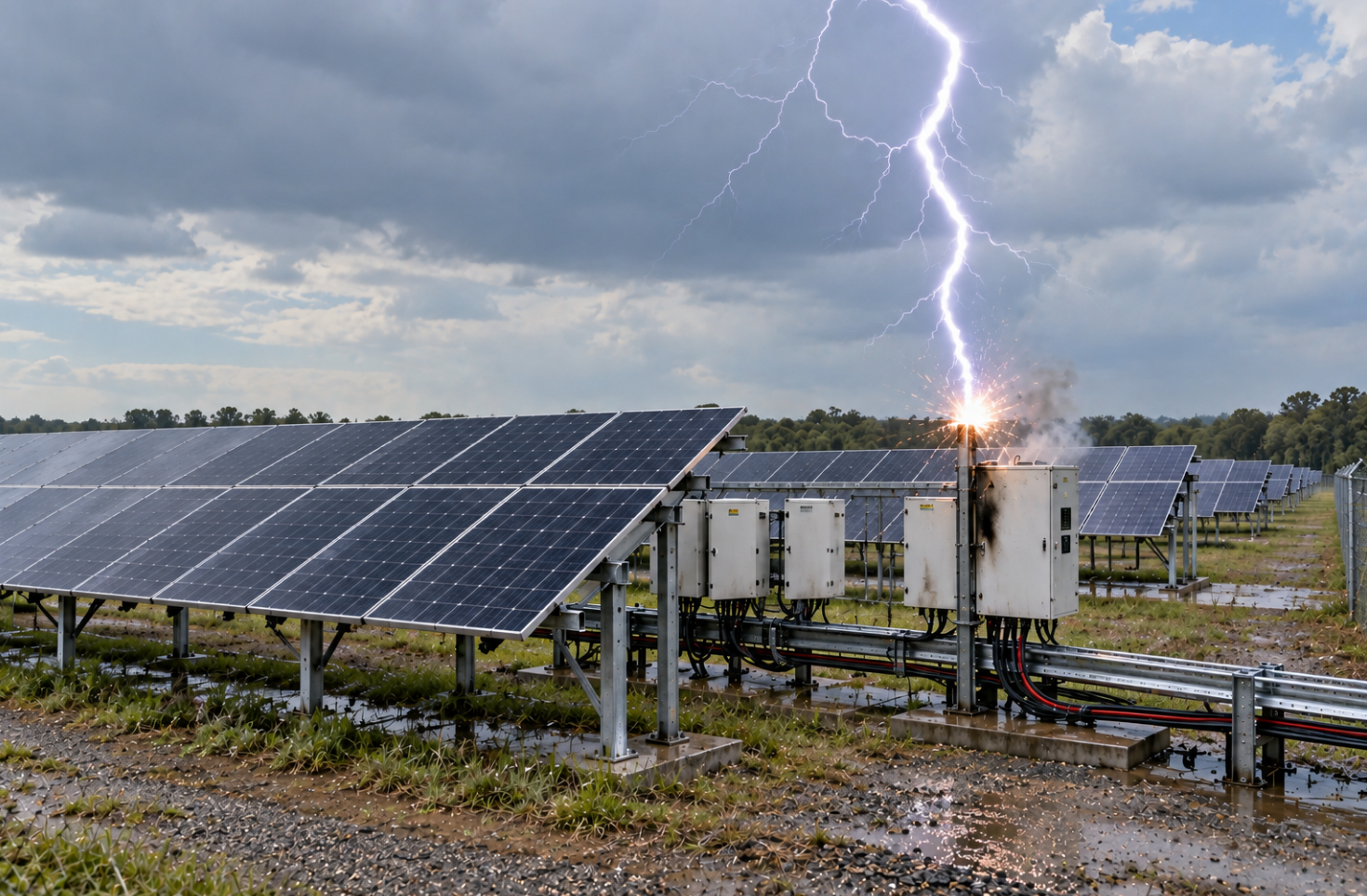
Multiple grounding points cut lightning-induced overvoltage in solar panels by up to 55%
Researchers in Indonesia found that higher soil resistivity significantly increases lightning-induced overvoltage in PV systems. Their simulations also showed that multiple grounding points and connections closer to the lightning strike location can substantially reduce transient voltages.
16 hours ago
Advertisement
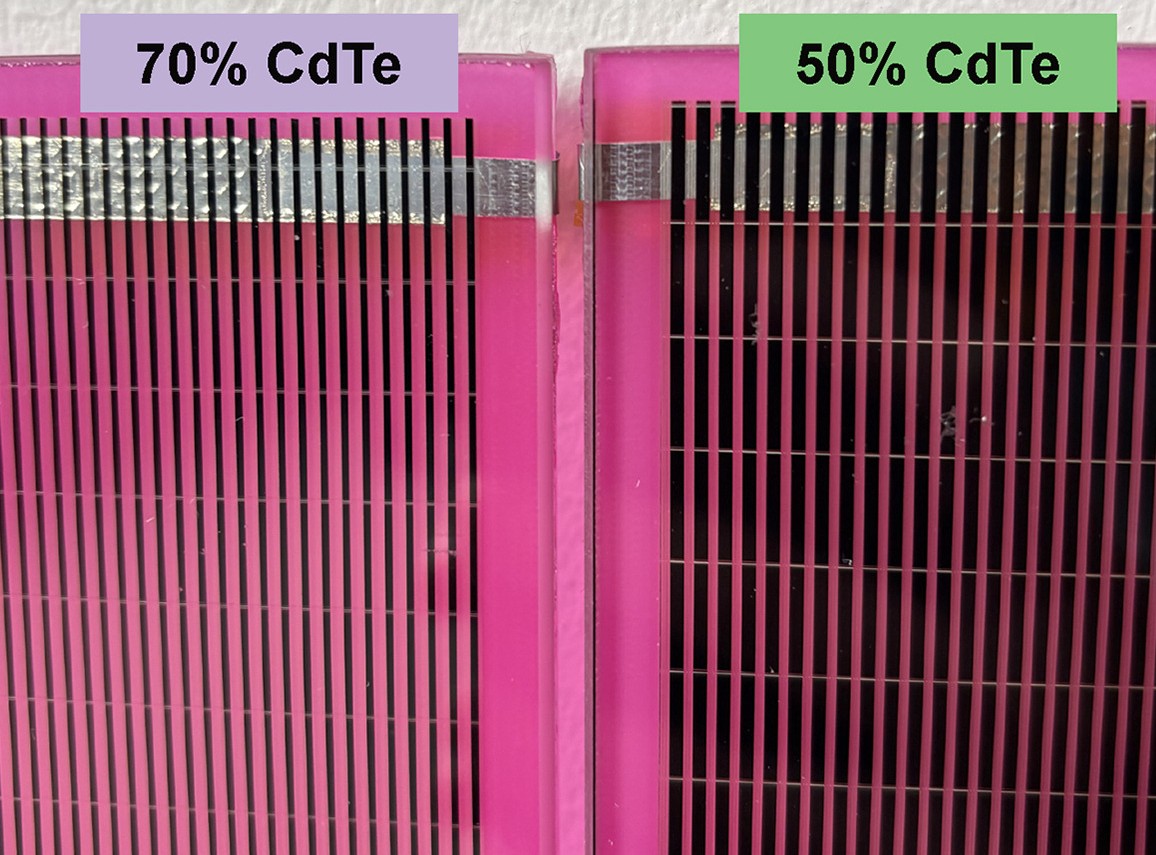
Magenta CdTe solar panels support broccoli cultivation in agrivoltaic trial
Researchers in Sweden and Italy have investigated the performance of semitransparent, magenta-colored cadmium telluride (CdTe) thin-film solar panels designed to transmit wavelengths favorable for broccoli growth. The study found that the panels affected microclimatic conditions, photosynthetic performance, nutrient composition, and overall land productivity.
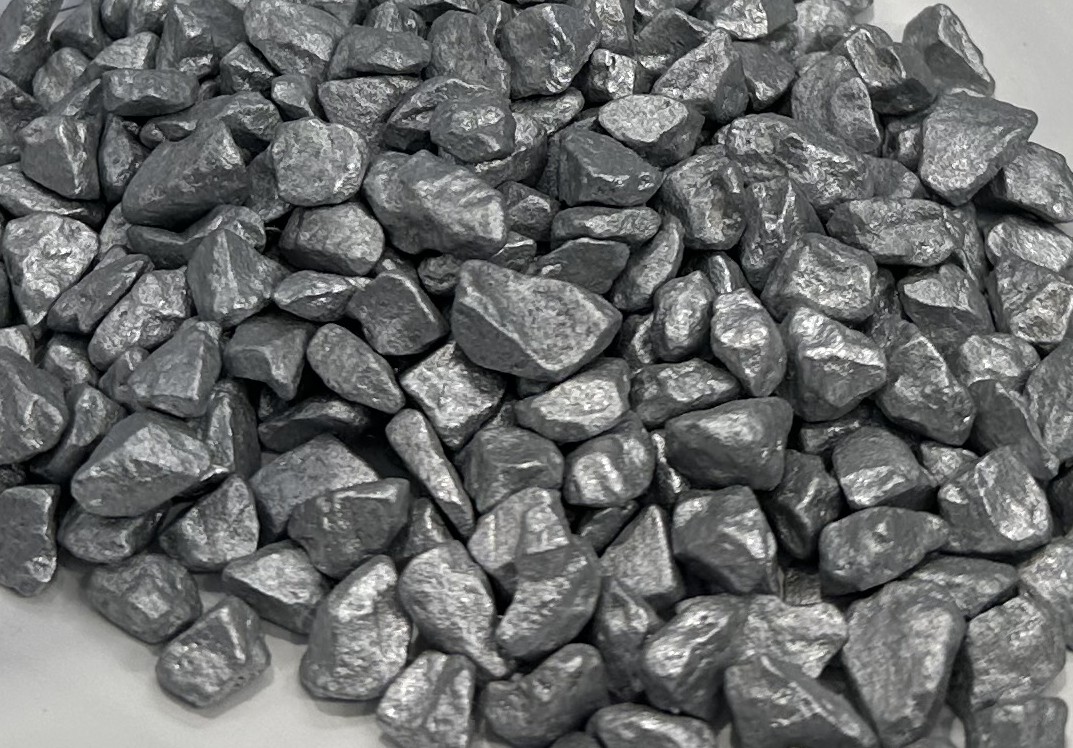
Heterojunction solar cell built with biomass lignin-based silver paste achieves 25.96% efficiency
Chinese researchers have developed a biomass lignin-based silver paste for HJT solar cells that reduces reliance on petroleum-based resins and improves electrical performance. The optimized paste increased solar cell efficiency from 25.01% to 25.96% while improving printability, adhesion, and conductivity.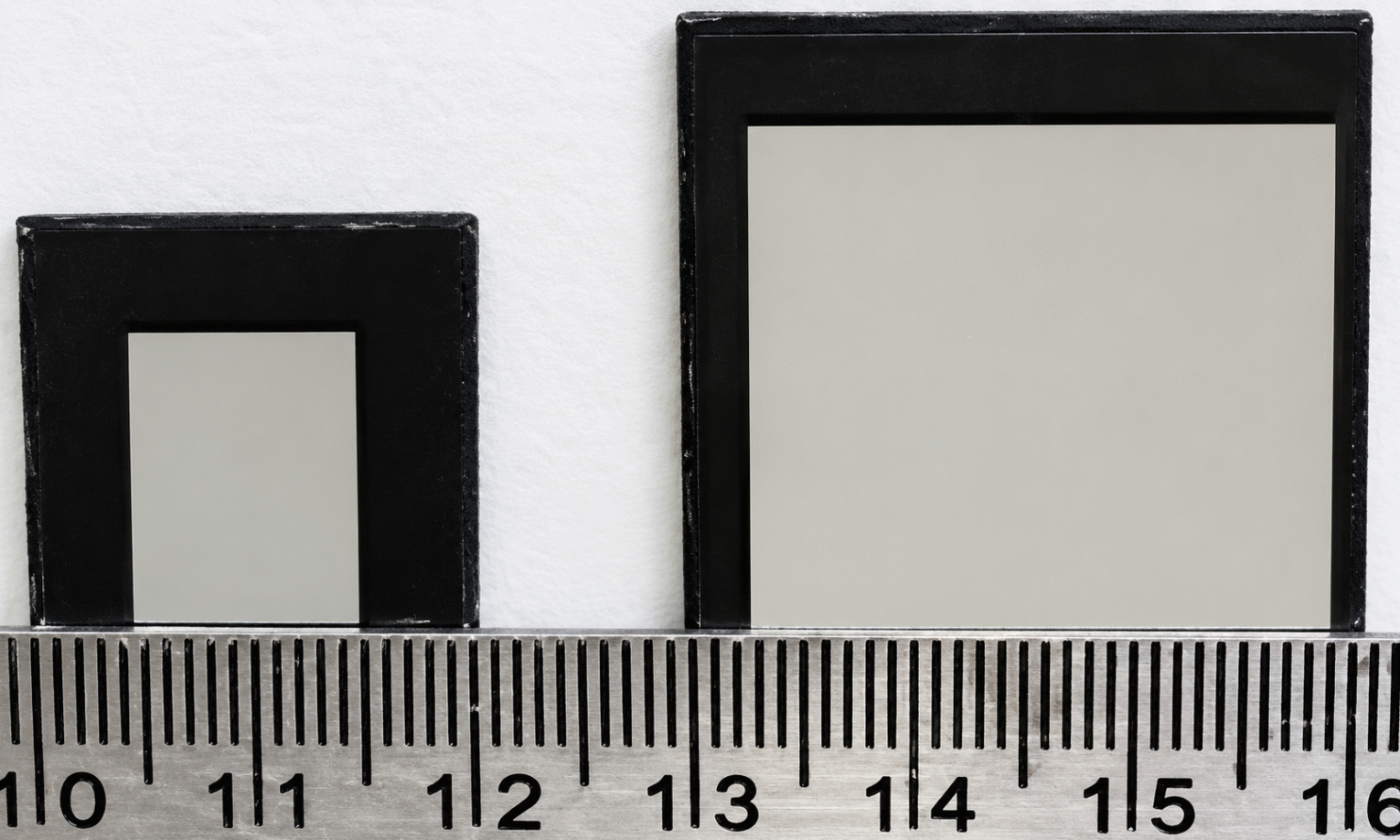
Mixed self-assembled monolayer enables 18.88% efficiency in 5.2 cm² inverted perovskite solar cell
Researchers in India have developed an inverted perovskite solar cell based on a mixed self-assembled monolayer (SAM) that improves film quality, charge transport, and device stability. The cell achieved an efficiency of 18.88% on an active area of 5.2 cm², with a relative efficiency loss of only around 7% compared with smaller devices.
Indian startup claims over 1,500 cycles for sodium-ion cell with Prussian white cathode
Indian startup Macsen Energy claims its Prussian white-based sodium-ion battery cell has exceeded 1,500 charge-discharge cycles in laboratory testing, retaining 90% of its initial capacity after 1,000 cycles. The company also plans to build a cathode material production facility and battery cell pilot line, with construction set to begin in 2027.
The case for railway-integrated solar in South Korea
South Korea’s extensive railway network could provide new space for solar generation in densely populated areas where land availability is limited. Researchers have investigated the potential of installing PV systems between railway tracks, finding that suitable sections of five surface railway corridors could host more than 8.5 MW of solar capacity.
Advertisement
All Research & Development news
Multiple grounding points cut lightning-induced overvoltage in solar panels by up to 55%
Researchers in Indonesia found that higher soil resistivity significantly increases lightning-induced overvoltage in PV systems. Their simulations also showed that multiple grounding points and connections closer to the lightning strike location can substantially reduce transient voltages.
Magenta CdTe solar panels support broccoli cultivation in agrivoltaic trial
Researchers in Sweden and Italy have investigated the performance of semitransparent, magenta-colored cadmium telluride (CdTe) thin-film solar panels designed to transmit wavelengths favorable for broccoli growth. The study found that the panels affected microclimatic conditions, photosynthetic performance, nutrient composition, and overall land productivity.
Advertisement
Heterojunction solar cell built with biomass lignin-based silver paste achieves 25.96% efficiency
Chinese researchers have developed a biomass lignin-based silver paste for HJT solar cells that reduces reliance on petroleum-based resins and improves electrical performance. The optimized paste increased solar cell efficiency from 25.01% to 25.96% while improving printability, adhesion, and conductivity.
Mixed self-assembled monolayer enables 18.88% efficiency in 5.2 cm² inverted perovskite solar cell
Researchers in India have developed an inverted perovskite solar cell based on a mixed self-assembled monolayer (SAM) that improves film quality, charge transport, and device stability. The cell achieved an efficiency of 18.88% on an active area of 5.2 cm², with a relative efficiency loss of only around 7% compared with smaller devices.
Indian startup claims over 1,500 cycles for sodium-ion cell with Prussian white cathode
Indian startup Macsen Energy claims its Prussian white-based sodium-ion battery cell has exceeded 1,500 charge-discharge cycles in laboratory testing, retaining 90% of its initial capacity after 1,000 cycles. The company also plans to build a cathode material production facility and battery cell pilot line, with construction set to begin in 2027.
Advertisement
The case for railway-integrated solar in South Korea
South Korea’s extensive railway network could provide new space for solar generation in densely populated areas where land availability is limited. Researchers have investigated the potential of installing PV systems between railway tracks, finding that suitable sections of five surface railway corridors could host more than 8.5 MW of solar capacity.
IIT Kanpur to develop India’s first Sun simulator for concentrated PV systems
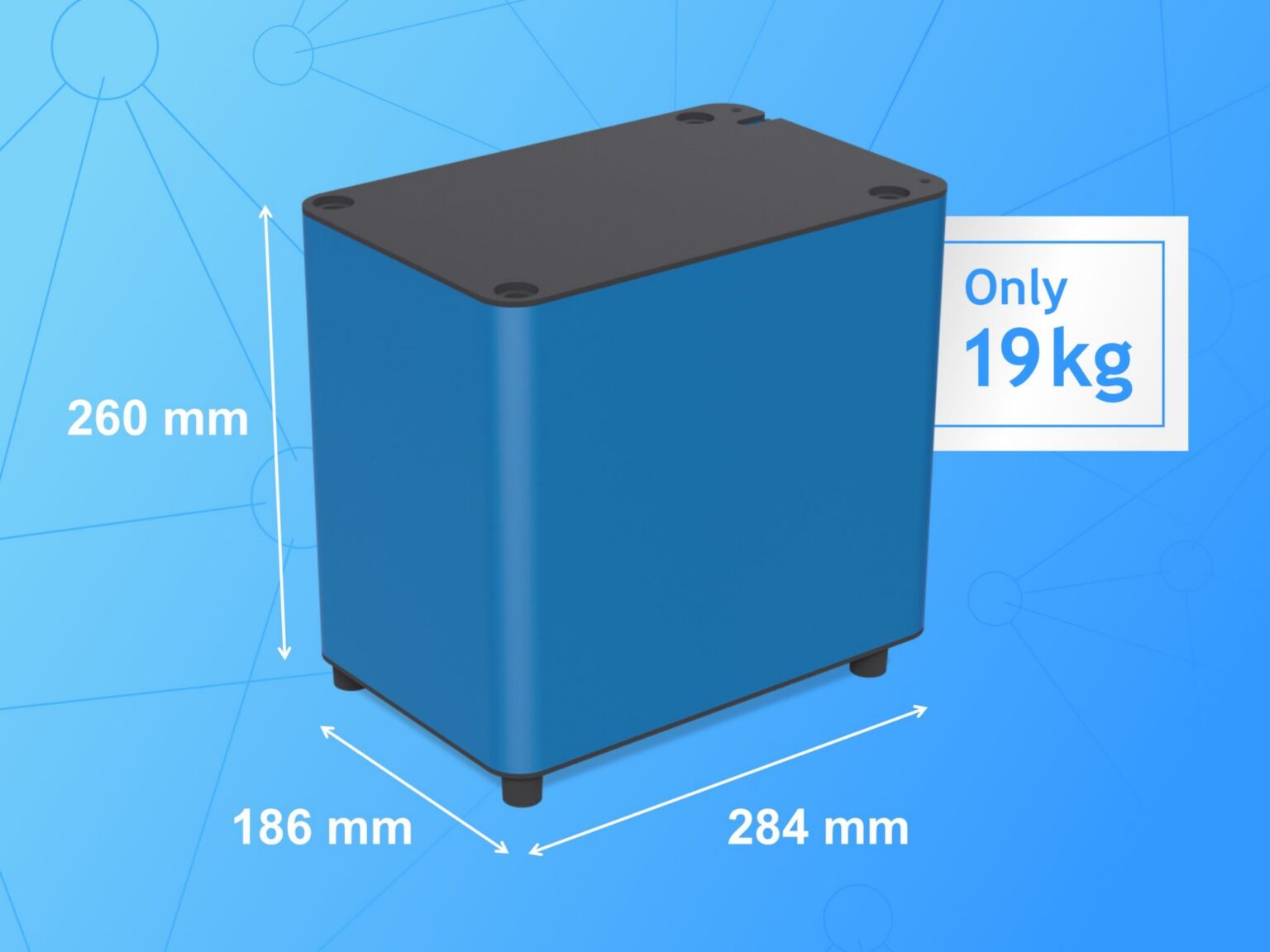
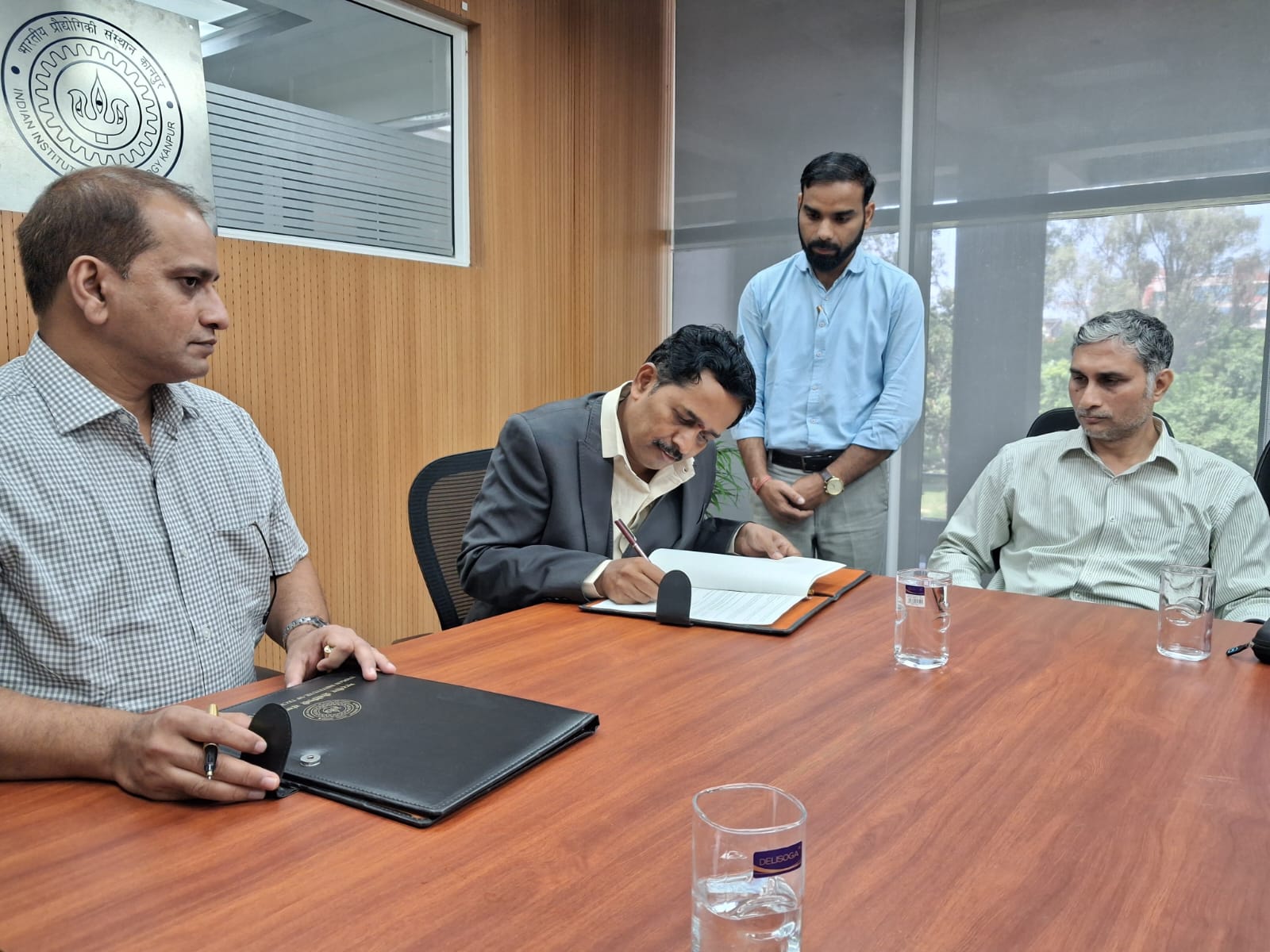
The Indian Institute of Technology Kanpur (IIT Kanpur) has signed a Memorandum of Understanding with Bengaluru-based NexPV Energy Systems to design and develop India’s first Sun simulator for concentrated PV systems. The facility will enable CPV modules to be tested and characterised at the end of production lines in India.
Advertisement