PM Surya Ghar crosses 60-lakh mark, 2.5 lakh workers trained as rooftop solar drive accelerates
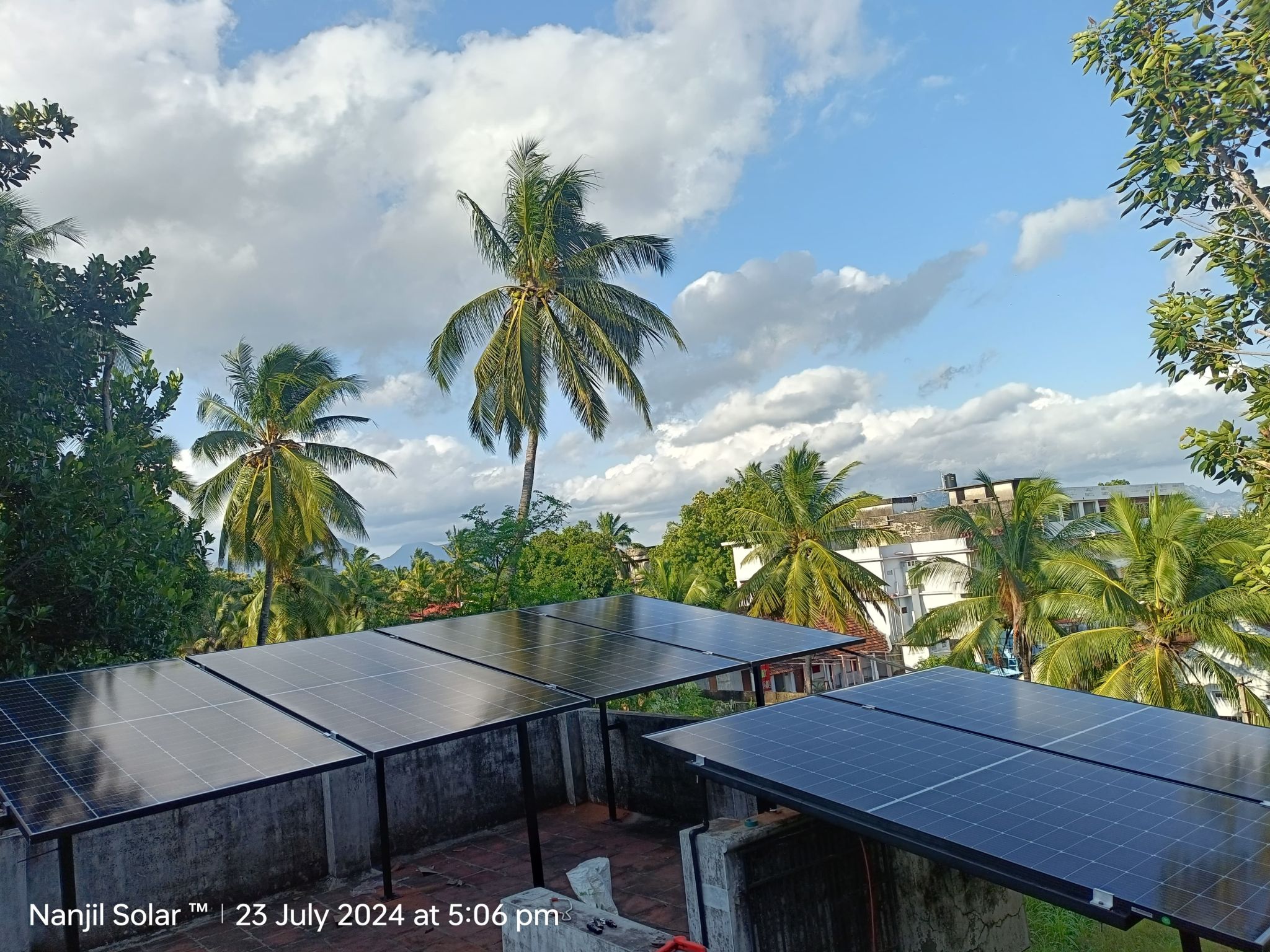
India’s rooftop solar drive has crossed a major milestone, with the PM Surya Ghar: Muft Bijli Yojana crossing the 60 lakh household mark recently, taking the flagship residential solar programme to 60 per cent of the Union government’s target of powering one crore homes.
The achievement comes just two months after the scheme crossed the 50 lakh household milestone, highlighting the rapid pace of implementation. The programme has accelerated sharply, from taking 118 days to cover the first one lakh households to adding the same number of families in just six days, while simultaneously expanding the country’s pool of skilled workers for the green economy.
From 1 lakh homes in 118 days to 1 lakh in six days
Launched on February 13, 2024, with a total outlay of ₹75,021 crore, the scheme has so far Installed 50,99,781 rooftop systems, adding 17855.3 MW of decentralised solar capacity to the grid. The expansion comes against the backdrop of India’s broader solar growth, with the country’s solar capacity rising from 3 GW in 2014 to over 168 GW today, making the programme a major driver of residential solar adoption.
The pace of implementation has changed sharply since the scheme’s launch. While it initially took 118 days to cover the first one lakh households, digital integration and streamlined processes have brought that timeline down to six days for the addition of one lakh new families.
2.5 lakh trained, more than 37 thousand vendors in the network
The rapid expansion is also creating a parallel green-skills ecosystem. Institutions including NISE, NPTI and the Skill Council for Green Jobs have trained over 2.5 lakh individuals against a target pool of 3 lakh skilled personnel.
The training pipeline includes 1 lakh specialised Solar PV Technicians, while the programme now has more than 37 thousand registered local businesses in its vendor network. Overall, the scheme is expected to generate an estimated 17 lakh direct and indirect jobs across manufacturing, supply chain, installation and maintenance.
₹33,642 crore subsidy transferred directly
Financial support remains central to the programme’s rapid adoption. The Centre has so far disbursed ₹33,642 crore in subsidies directly into bank accounts through the Public Financial Management System, with payouts released within 15 days of commissioning.
To further simplify adoption, the Ministry of New and Renewable Energy has waived technical-feasibility checks for systems up to 10 kW, while the National Portal has been integrated with over 80 DISCOMs nationwide.
Loans up to 10 years to ease upfront costs
The scheme has also sought to reduce the upfront financial barrier for households. Beneficiaries can access collateral-free loans through the Jan Samarth portal at nearly 5.75 % concessional interest rates, with repayment tenures stretching up to 10 years.
The combination of direct subsidies, simplified approvals, digital processing and easier credit has been aimed at making rooftop solar accessible at a much larger household scale.
20.7 lakh households already report zero bills
For households, one of the clearest impacts is showing up on monthly electricity bills. Over 20.7 lakh families covered under the scheme have completely eliminated their monthly power expenditure, recording zero electricity bills.
These households can also export surplus solar power back to local grids under net-metering arrangements, effectively turning electricity consumers into active clean-energy producers.
Rooftops fuel a wider green economy
With the programme targeting one crore homes, its impact now extends beyond rooftop installations. Sustained demand is creating opportunities across domestic solar manufacturing, local vendors, skilled technicians, supply chains and grassroots enterprises across districts.
The 60-lakh household milestone therefore marks not just a jump in rooftop solar adoption, but an expanding ecosystem around clean energy, skilled employment and decentralised power generation.
The views and opinions expressed in this article are the author’s own, and do not necessarily reflect those held by pv magazine.
This content is protected by copyright and may not be reused. If you want to cooperate with us and would like to reuse some of our content, please contact: [email protected].
Please login to comment