Markets & Policy

India’s solar industry is fundamentally shaped by policy frameworks, national goals like the 500 GW renewable energy target, and instruments such as the Production Linked Incentive (PLI) scheme, KUSUM program, and various state-level incentives. This category offers deep analysis and updates on auctions, tariffs, import duties, domestic content requirements, and shifting investment dynamics. We explore how central and state governments collaborate with the private sector to overcome infrastructure, grid, and regulatory challenges—making this one of the world’s most closely watched energy transition markets.
Advertisement
Advertisement
Advertisement
Latest News
Advertisement

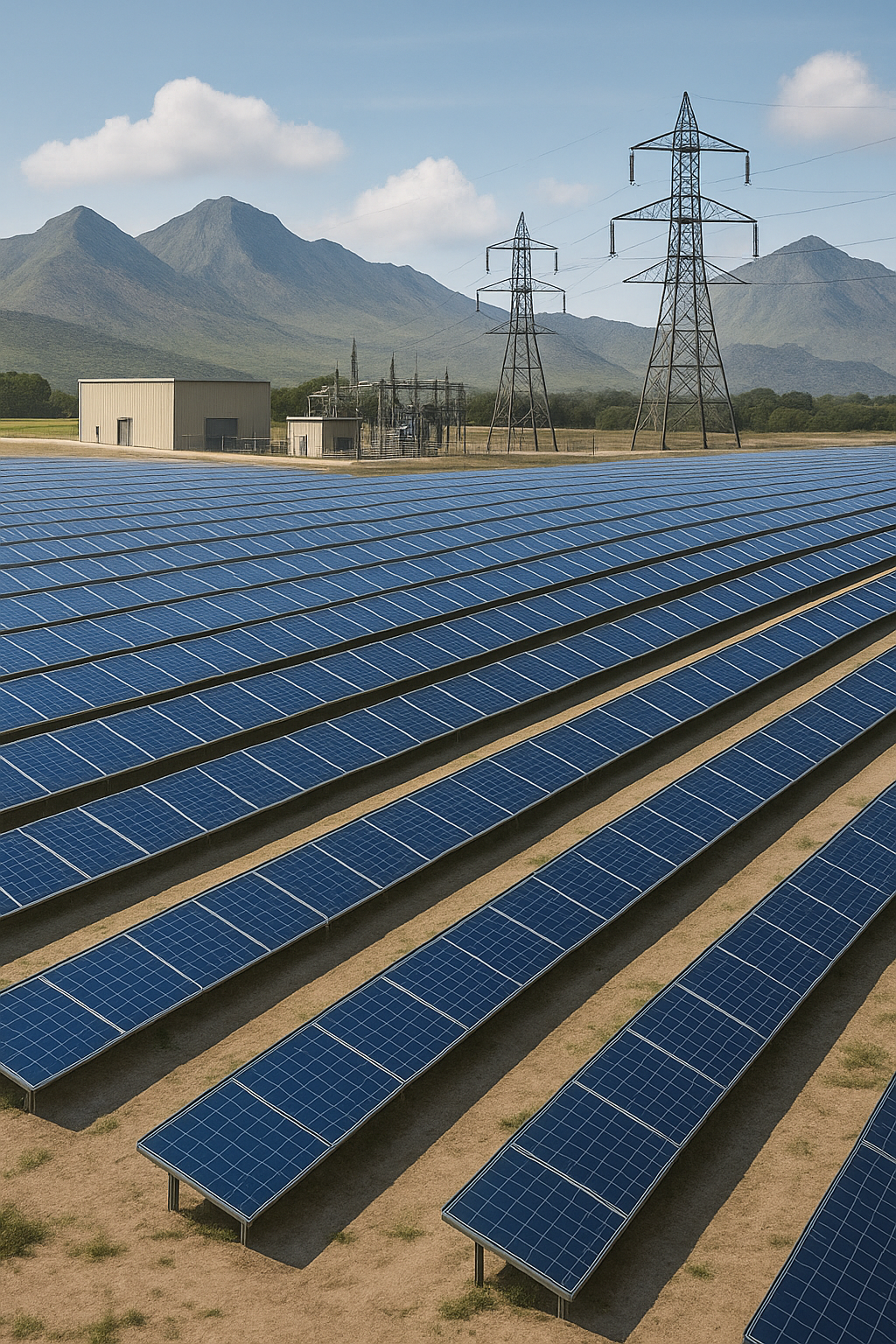
India curtailed more than 8 TWh of solar generation in Q1 FY2027: Kearney
India curtailed more than 8 TWh of solar power generation between April and June 2026, with grid congestion identified as a major factor, according to a report by global management consulting firm Kearney. The report says the nation’s ambition to hit 500 GW of renewable energy capacity by 2030 will depend on how quickly the power transmission network scales up its planning, execution, and digitalization capabilities.

Beyond the battery: Building India’s electronics backbone for the energy transition
The energy-storage value chain should not be viewed only through the lens of battery chemistry and gigawatt-hours. There is a parallel value chain developing around the battery, covering design, PCBA, embedded controls, power electronics, sensing, communication, testing and system integration.
Advertisement
All Markets & Policy news

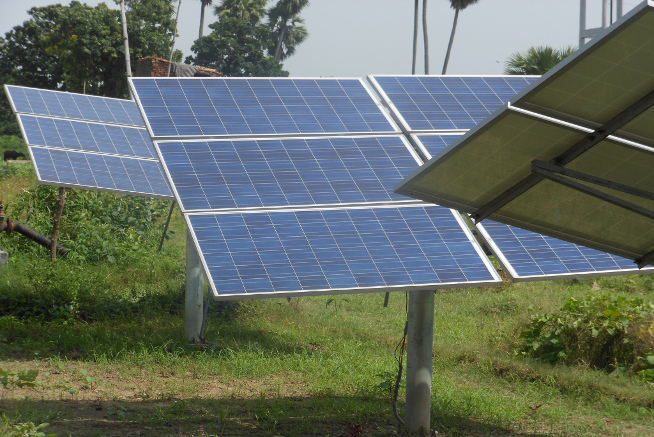

ABB to deliver 2 MW storage solution to UK installation, secures India railway contract
The Swiss developer of power electronics and storage solutions for the clean energy sector will install a 2 MW battery to support the 90 MW Burbo Bank offshore wind farm in the U.K., and has also secured a supply contract to install its solar inverters at 750 Indian railway stations.
Advertisement