U.S. energy storage market posts record 18.9 GWh in Q2 on surging data center demand

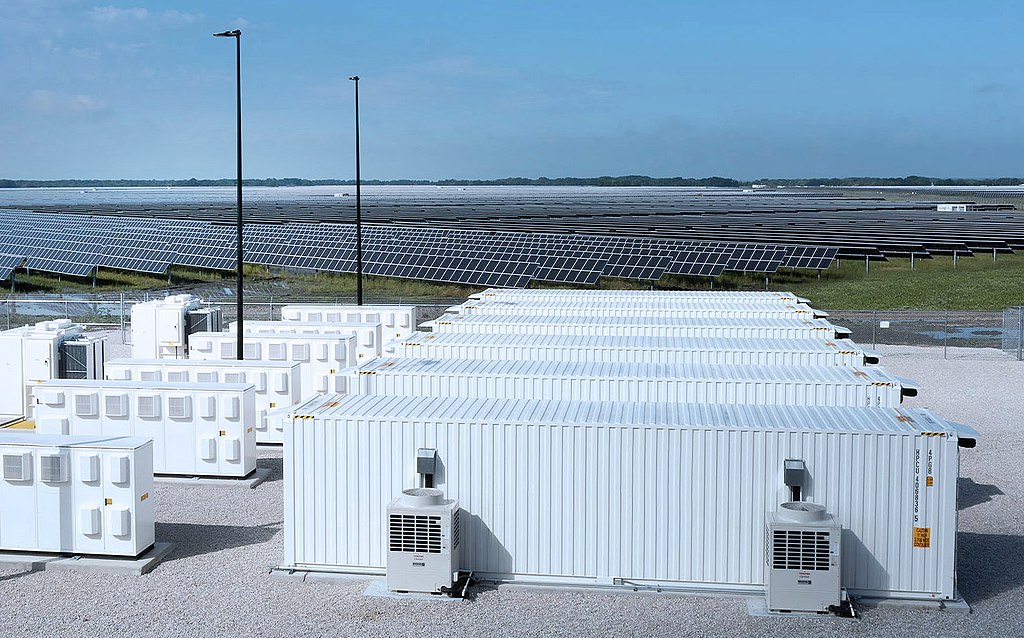
The U.S. energy storage market set a new record for energy capacity deployments in the second quarter of 2026, driven by longer system durations and expanding power demands from data center operations. According to the latest Q3 2026 U.S. Energy Storage Monitor report released by Wood Mackenzie and the American Clean Power Association, total deployments across all market segments reached 18.9 GWh, surpassing previous quarterly capacity totals.
The market installed 5.4 GW of storage capacity in Q2 2026, marking a 7% year-over-year decrease in power capacity while achieving a 16% increase in total energy capacity. The surge in energy capacity reflects an ongoing industry shift toward four-hour and longer-duration battery systems to satisfy utility adequacy requirements and localized grid constraints.
The utility-scale segment remained the primary growth driver, deploying 4.7 GW and 17.6 GWh during the second quarter. Power output fell 8% year-over-year as primary markets like California and Texas approached local grid saturation, yet energy capacity rose 16%. Total utility-scale installations for the first half of the year remained higher compared to the same period in 2025, buoyed by long-duration contracts and compliance-driven procurement.
The residential energy storage sector recorded a strong quarter, adding 676 MW and nearly 1.2 GWh of capacity. Residential power capacity increased 3% year-over-year, while energy capacity jumped 48% as installers deployed larger battery systems per household. California, Texas, Puerto Rico, Arizona, and Illinois accounted for the vast majority of residential installations. Despite positive quarterly performance, analysts project a minor full-year contraction for the residential segment in 2026, citing policy adjustments and incentive rollbacks.
The Community, Commercial, and Industrial storage sector normalized to 48 MW and 103 MWh during Q2 2026. Following elevated first-quarter activity caused by Net Energy Metering deadlines in California, non-residential installations slipped 2% year-over-year, though gains in Hawaii, New Mexico, and Texas offset domestic contraction.
Looking ahead, Wood Mackenzie withdrew its previous forecast of a near-term market contraction, citing a high volume of projects initiating construction to secure Investment Tax Credit safe harbor status. The firm projects the U.S. storage market will grow more than 50% in megawatt terms over the next five years, expanding cumulative capacity to 207 GW and 715 GWh by 2031. The utility-scale segment is expected to maintain steady growth through 2031, supported by grid interconnection developments and massive load expansion from AI data centers.
This content is protected by copyright and may not be reused. If you want to cooperate with us and would like to reuse some of our content, please contact: [email protected].

Please login to comment