One-third of new renewable energy capacity faces grid curtailment due to transmission constraints, says ICRA

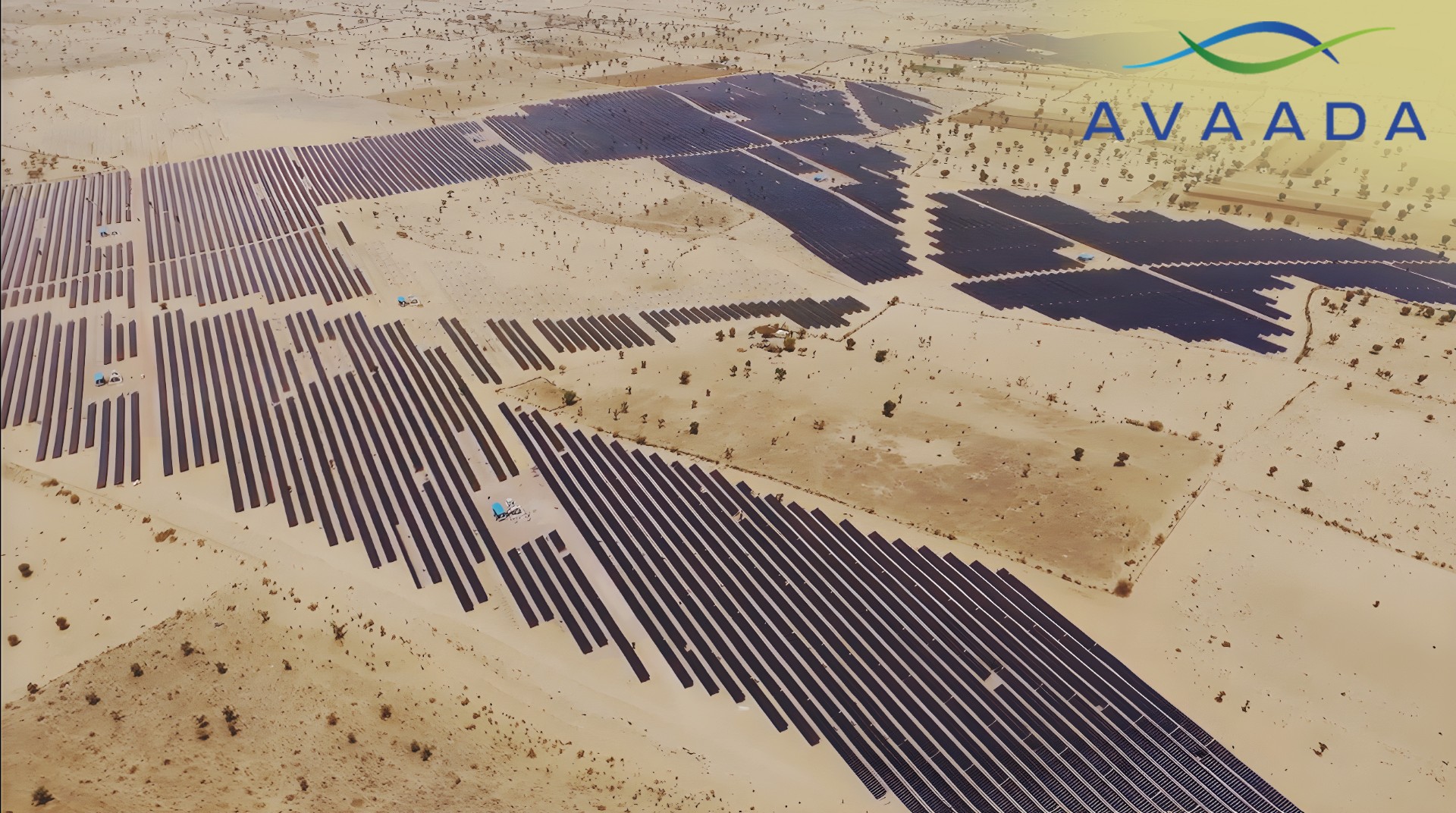
Around one-third of India’s recently commissioned renewable energy capacity faces grid curtailment as transmission infrastructure addition lags RE generation capacity enhancement, according to ICRA.
The rating agency said about 33% of the 54.8 GW of the recently commissioned renewable capacity was being evacuated through the temporary general network access (T-GNA) route as of May 2026. The curtailment under TGNA is the highest during solar hours, remaining in the range of 50-60% during the same period.
ICRA said solar curtailments are more prominent in Rajasthan and Gujarat, while curtailments in the southern region remain limited even in the solar hours.
A large pipeline of projects of 107 GW across solar, wind, hybrid, hydro, pumped storage and thermal segments, which already have been granted connectivity, are planned to be integrated into the ISTS network between 2026-27 and 2030-31. “As seen in the past, slippages in achieving timely commissioning of the upcoming transmission infrastructure cannot be ruled out, which could impact RE capacity additions or result in continued grid curtailment episodes for the RE players, materially impacting the return metrics of the RE projects,” said Ankit Jain, vice president and co-group head at ICRA.
ICRA estimates the transmission sector will require investments of INR 5 trillion to INR 6 trillion between FY 2027 and FY 2032 to support the government’s plan to evacuate electricity from more than 900 GW of non-fossil fuel generation capacity by 2035-36, including about 548 GW of solar and wind capacity.
“The projected transmission capex of INR 5-6 trillion entails strengthening of the existing infrastructure, adding evacuation capacities as well as new transmission routes to support the generation centres,” said Jain. “The sector requires annual additions of around 20,000 circuit kilometres of transmission lines and 120 GVA of substation capacity to meet the government’s targets.”
According to ICRA, power transmission projects continue to face significant execution risks owing to challenges in acquiring land, ROW related issues and regulatory approvals, leading to delays in timely implementation. Most transmission projects awarded by the central nodal agencies through the tariff-based competitive bidding (TBCB) route have been delayed beyond their scheduled commissioning date (SCOD) due to these challenges. Out of the total projects commissioned by March 2026 under this route, only 12% were completed within the scheduled timeline, while the balance was commissioned with a lag of two months to three years, with the median delay of over 10 months. This delay in the transmission capacity addition impacts power evacuation for the RE players, resulting in curtailment.
This content is protected by copyright and may not be reused. If you want to cooperate with us and would like to reuse some of our content, please contact: [email protected].

Please login to comment