Research & Development

As India scales up solar deployment, innovation is critical to address climate conditions, grid variability, and cost targets. This category features R&D efforts by institutions like NISE, IITs, and CSIR, along with startups and corporate labs pushing the boundaries of PV technology. Topics include improvements in perovskite and TOPCon cells, localized durability testing, AI-based performance analytics, and grid-friendly energy storage systems. We also cover collaborative international research, pilot projects, and innovations tailored to India’s tropical climate, monsoon challenges, and rural electrification needs—laying the groundwork for a resilient, efficient solar future.
Advertisement
Advertisement
Advertisement
Latest News
Advertisement
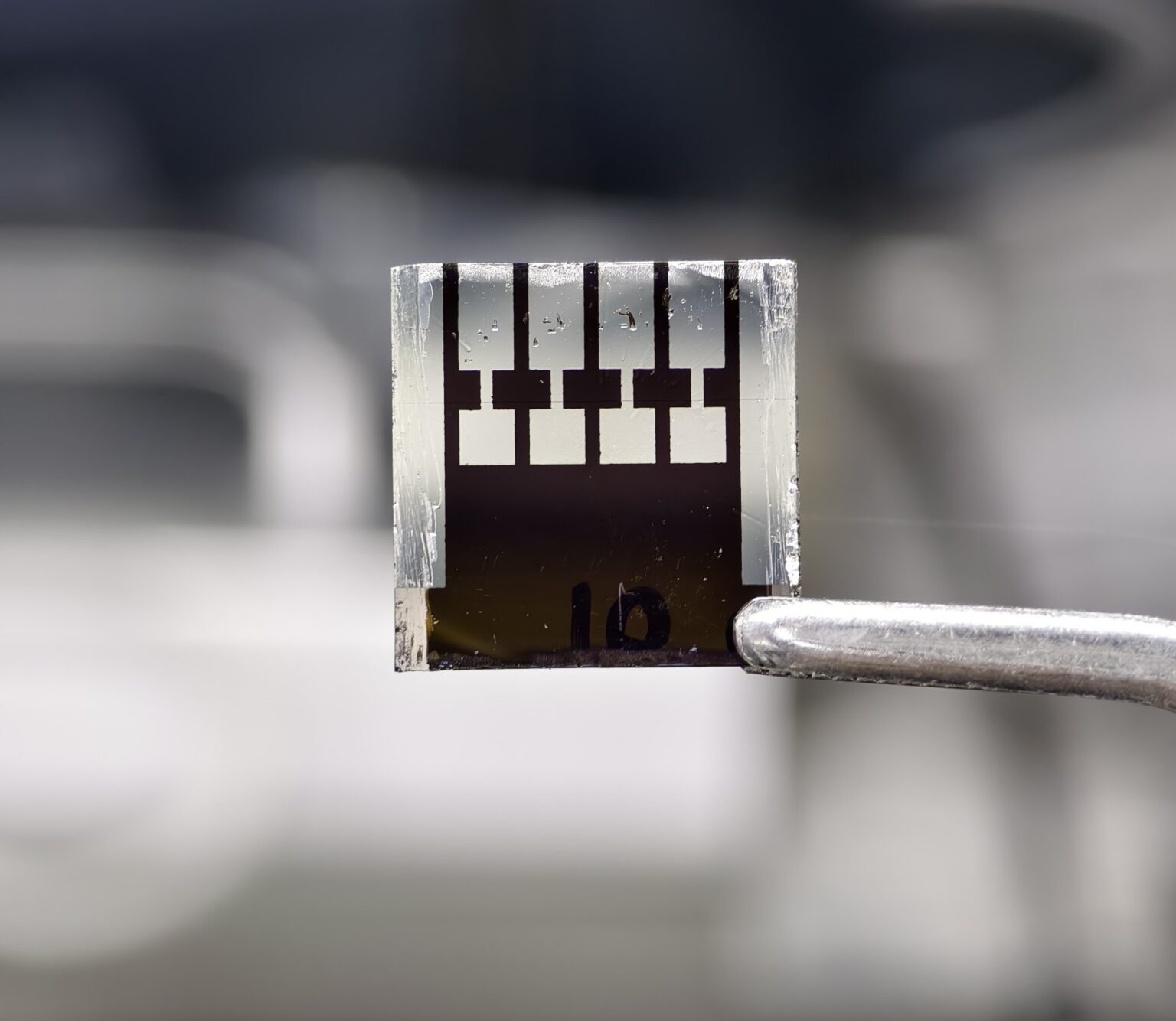
Chinese scientists achieve record-breaking 27.35% efficiency for perovskite-organic tandem solar cell
Nanjing University researchers developed a perovskite-organic tandem solar cell using a novel low-bandgap acceptor to boost near-infrared light harvesting and improve photocurrent matching. The device achieved a 27.35% efficiency, while retaining 80% of its initial performance after 744 hours of continuous illumination.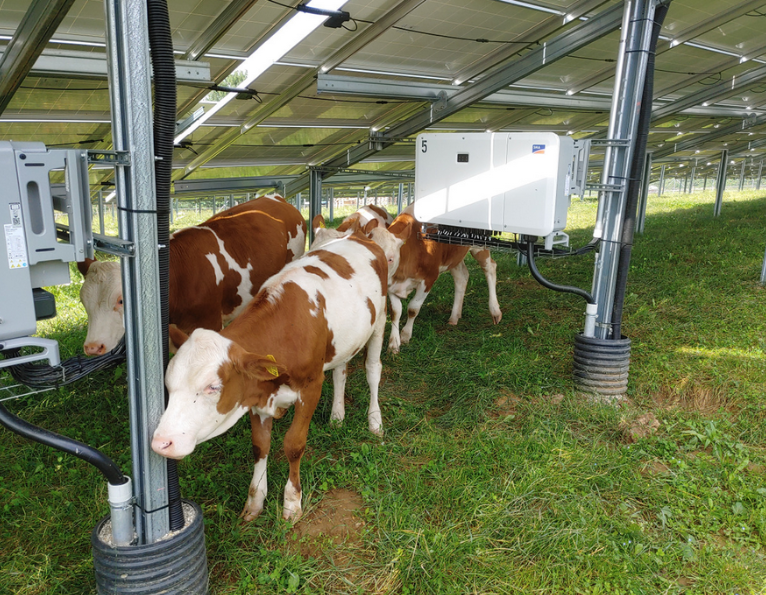
Reliability risks emerge across BIPV, floating PV and agrivoltaics
A new IEA PVPS Task 13 report identifies distinct reliability risks across BIPV, floating PV and agrivoltaics, from heat and partial shading to wave loads, ammonia exposure and soiling. It argues that existing PV qualification standards do not fully capture these application-specific stresses, requiring adapted testing, design practices and performance metrics.
Can India’s solar farms become living laboratories for clean-tech innovation?
Indian startups and university laboratories develop promising clean-energy technologies, but stall before reaching commercial adoption because they cannot produce multi-year, multi-megawatt operational data from active field sites. India can resolve this impasse by treating solar plants not merely as generation assets, but as living testbeds for clean-tech engineering.
Perovskite solar cell based on seed crystals achieves 23.51% efficiency
Researchers have developed a seed-assisted crystallization strategy to produce pure α-phase FAPbI3 perovskite without conventional chemical stabilizers. The resulting device reached 23.51% efficiency and retained 99% of its initial performance after 3,000 hours of unencapsulated operation.
Lab confirms negligible LeTID degradation in TOPCon solar cells
U.S. researchers have found that light- and elevated-temperature-induced degradation (LeTID) has a limited impact on n-type TOPCon solar cells compared with earlier p-type PERC technology. Optimized firing conditions and laser-enhanced contact optimization (LECO) can further suppress degradation, with industrial TOPCon cells showing efficiency losses within acceptable warranty tolerances.
India, Finland should deepen cooperation on critical battery materials, green hydrogen: Dr Antti Herlevi
Finland and India could deepen cooperation on critical battery materials, environment friendly mining, green hydrogen and smart-grid technologies as both countries expand their clean energy sectors, according to Dr Antti Herlevi, counselor for trade and investments (Water, Forest and Circular Economy) at the Embassy of Finland in New Delhi.
Aug 24, 2026
Advertisement
All Research & Development news

Four-year outdoor testing shows perovskite cells suffer from high seasonality
Testing conducted by the Helmholtz-Zentrum Berlin in Germany has shown that perovskite solar cells operating at high latitudes in Europe may suffer from higher performance losses in winter compared to conventional PV devices. The scientists warned, however, that at lower latitudes this seasonality may be less pronounced.

Photovoltaics for atmospheric water harvesting
A scientist in Turkey has simulated eight PV-supported hybrid atmospheric water harvesting systems and compared their performances. They were all considered to operate with R1233zd(E), R1234yf, and R600a, as well as R32 refrigerants. The required PV system size was as low as 20 m2.

Solarium, NISE sign MoU to develop solar-based heating solutions for cold regions
Solarium Green Energy Ltd has signed a Memorandum of Understanding (MoU) with the National Institute of Solar Energy (NISE), under the Ministry of New and Renewable Energy, to jointly develop advanced solar-based heating technologies.
Advertisement
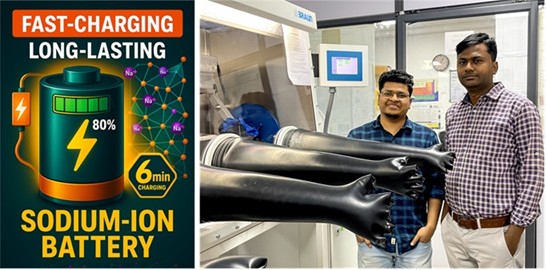
Indian researchers develop fast-charging sodium-ion battery, promising over 3,000 cycles
NAtrium Super Ionic CONductor (NASICON) materials continue to show their potential for sodium-ion anodes in high-performance batteries, with fresh research out of India delving more into the materials.
Jun 23, 2025
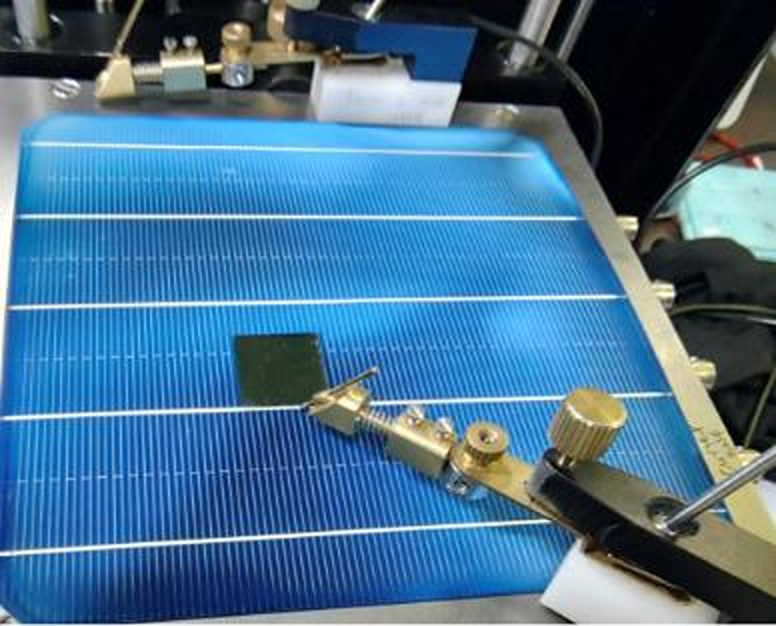
Indian scientists build 29.14%-efficient tandem solar cell with inverted top perovskite device
The researchers said they optimized the low-bandgap inverted perovskite cells through a passivating aluminum oxide (Al2O3) interlayer deposited via atomic layer deposition (ALD), which significantly helped improve device efficiency.
Advertisement

Perovksite-TOPCon tandem solar cell based on self-assembled monolayer achieves 31.1% efficiency
Researchers in China have fabricated a perovskite-TOPCon solar cell with a top perovskite device utilising a self-assembled monolayer aimed to improved cell stability. The tandem cell achieved a high fill factor and a certified efficiency of 30.9%.

India’s solar backbone can’t be outsourced: A case for secure, homegrown inverters
In a world where electricity defines sovereignty, allowing foreign-made devices to sit at the core of India’s solar infrastructure is nothing short of national negligence. In today’s age, power is not just electricity—it is sovereignty. We cannot afford blackout-level vulnerabilities induced by foreign-made solar inverter hardware with security loopholes.

SolarEdge expands India operations with new R&D and technology center in Bengaluru
SolarEdge Technologies, an Israel-based solar inverter and battery energy storage specialist, has inaugurated a new state-of-the-art R&D and Technology Center in Bengaluru. The facility will play a key role in supporting SolarEdge’s global innovation pipeline while addressing the unique needs of the Indian market.
Advertisement