Markets & Policy

India’s solar industry is fundamentally shaped by policy frameworks, national goals like the 500 GW renewable energy target, and instruments such as the Production Linked Incentive (PLI) scheme, KUSUM program, and various state-level incentives. This category offers deep analysis and updates on auctions, tariffs, import duties, domestic content requirements, and shifting investment dynamics. We explore how central and state governments collaborate with the private sector to overcome infrastructure, grid, and regulatory challenges—making this one of the world’s most closely watched energy transition markets.
Advertisement
Advertisement
Advertisement
Latest News
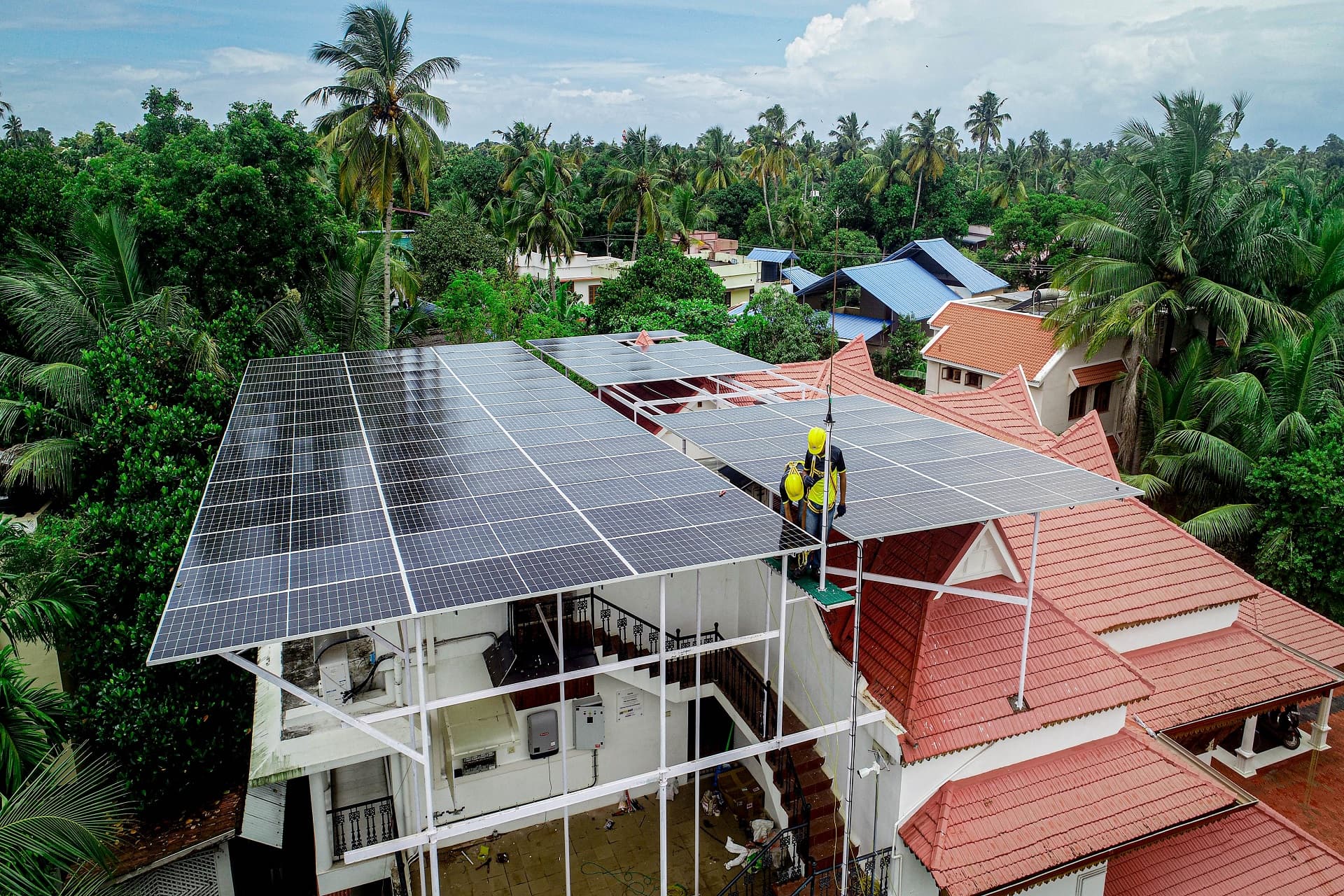
Home batteries could cut Indian households’ daytime rooftop solar exports by 85–90%, but would need incentives to make it financially viable
Adding a 5 kWh battery to a typical 3 kW household rooftop solar system in India would cut the electricity exports to the grid during the day by 85–90%, but under the current net metering regime the household gains nothing from batteries, according to new analysis by global energy think tank Ember.
13 hours ago
Advertisement


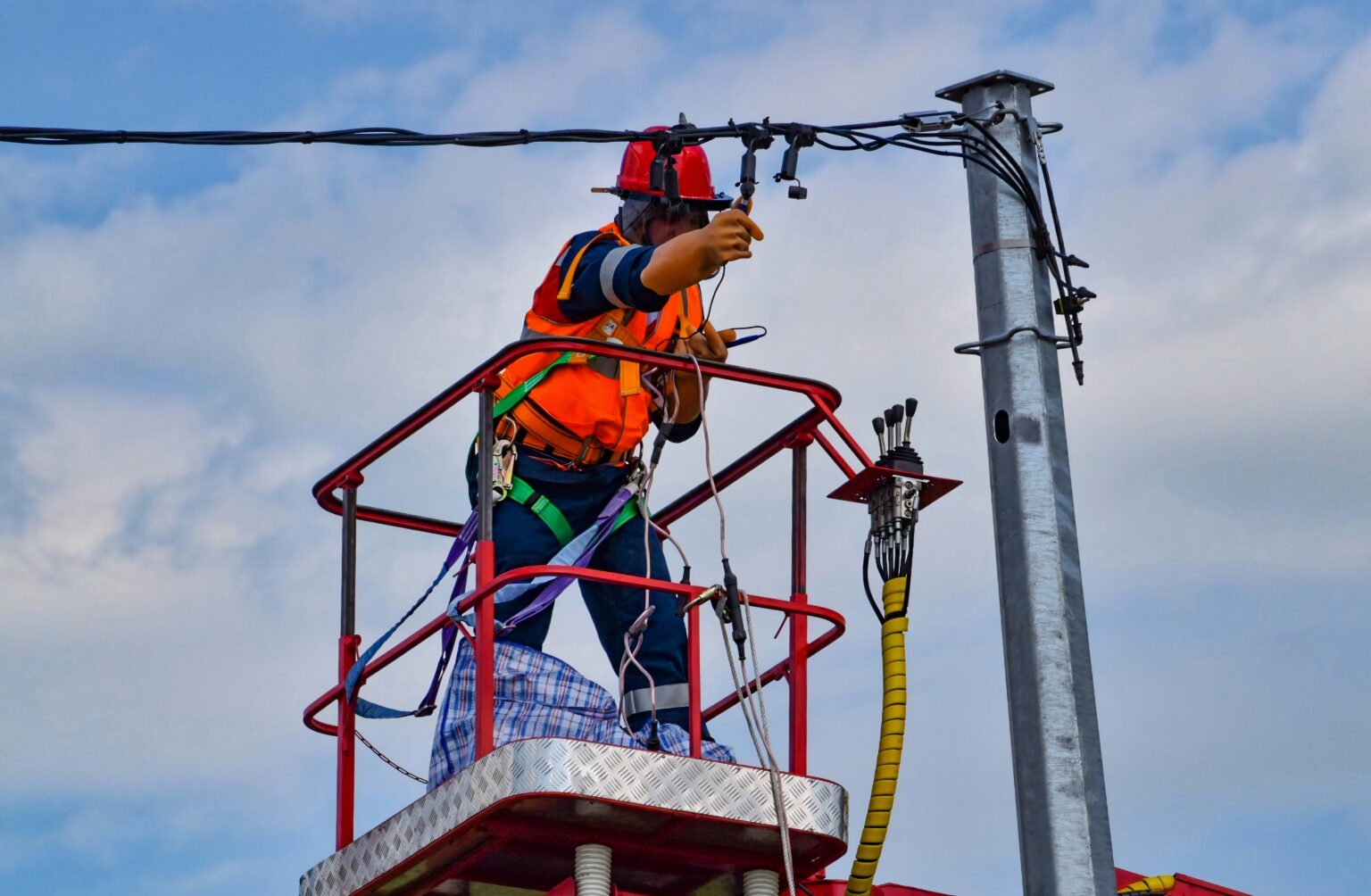
Sri Lanka asks PV system owners to disconnect after nationwide blackout
Sri Lanka has ordered PV system owners to disconnect from the grid following a nationwide blackout on Oct. 17. The outage follows a similar incident in February 2025, when high solar penetration was identified as a major contributing factor.
China proposes ban on exports of perovskite, tandem solar manufacturing technology
China has proposed banning exports of selected high-efficiency perovskite and tandem solar manufacturing technologies, alongside new restrictions on advanced polysilicon, wafer and crystalline-silicon cell production processes. The proposed measures would cover 12 photovoltaic technologies, with public consultation open until Nov. 15.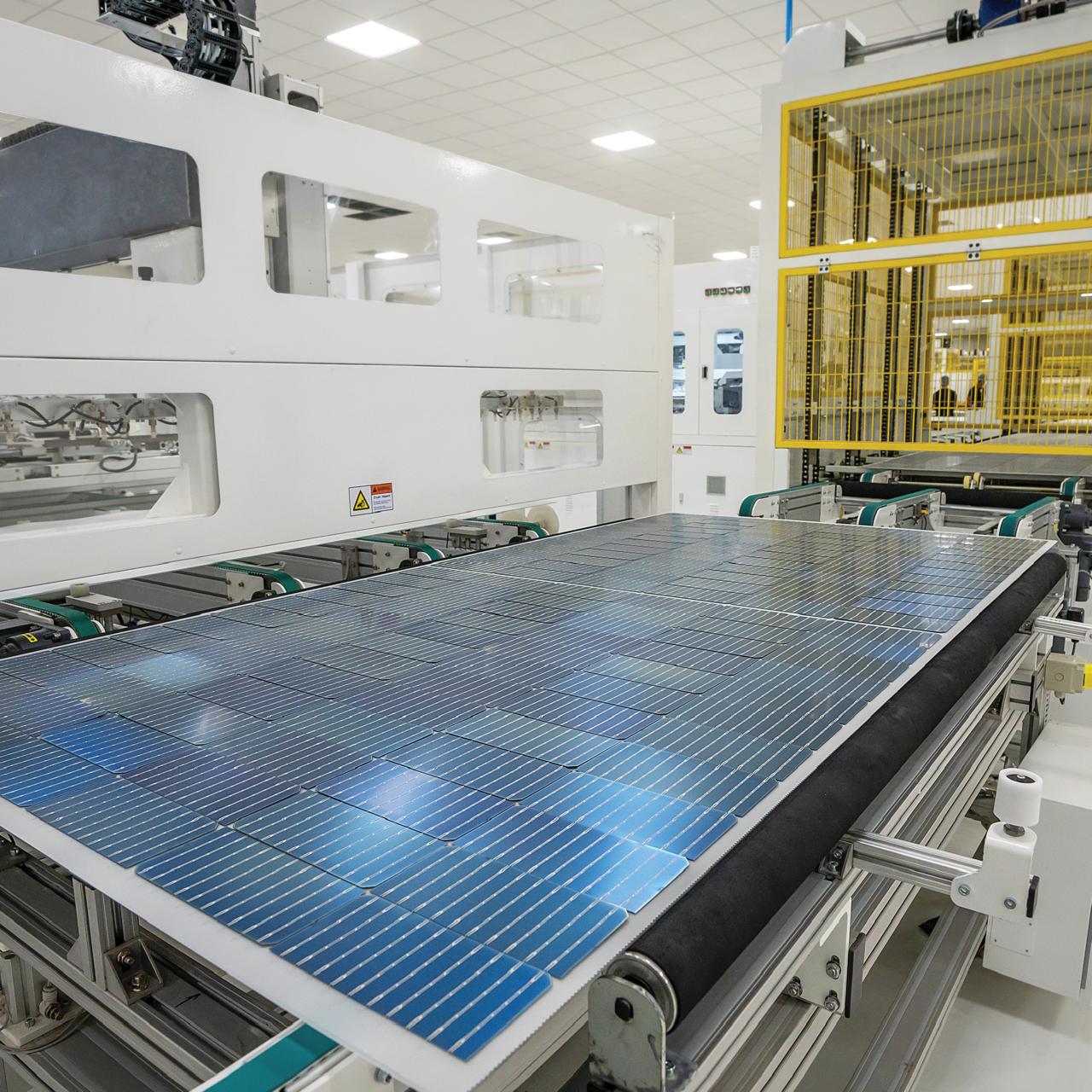
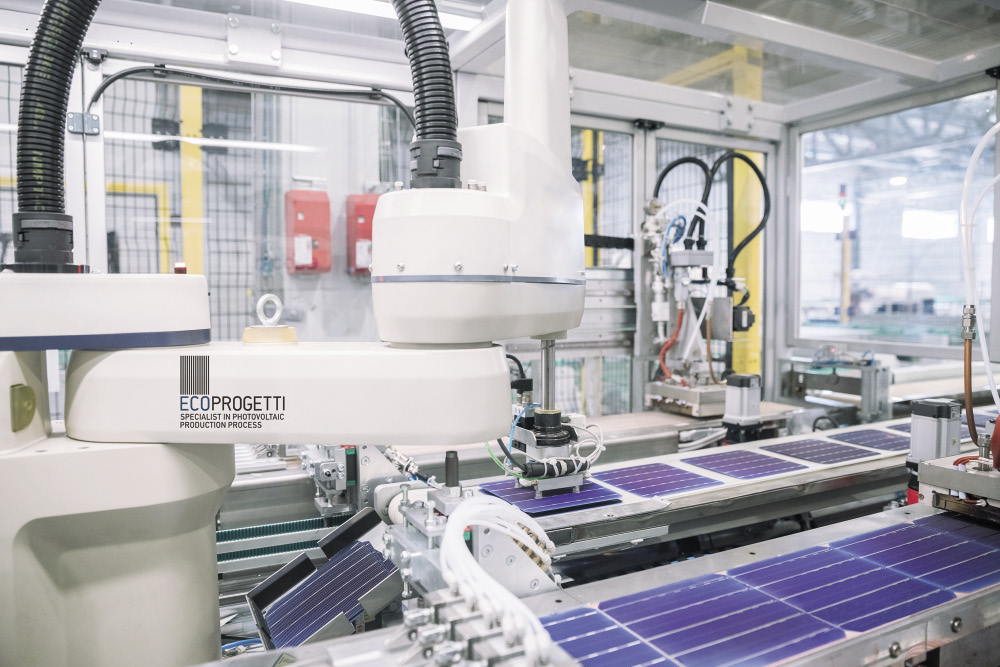
Solar module manufacturing in Europe: Ideal factory capacity ranges from 1 GW to 3 GW
Laura Sartore, CEO of Ecoprogetti, spoke with pv magazine about the evolution of solar supply chains, addressing protectionism, industrial policy and economies of scale. While the United States and India are focusing on strengthening domestic supply chains, Europe may need a different approach: a network of medium-sized manufacturers capable of balancing financial viability with production flexibility.
Advertisement
All Markets & Policy news


India heading to 20 GW of installed capacity by the end of this financial year
In the last four quarters in India 7.5 GW were installed. The total accumulative capacity reached 16.2 Gigawatt, reports Bridge to India. After rapid growth in the last quarters the market will probably slow down somewhat.
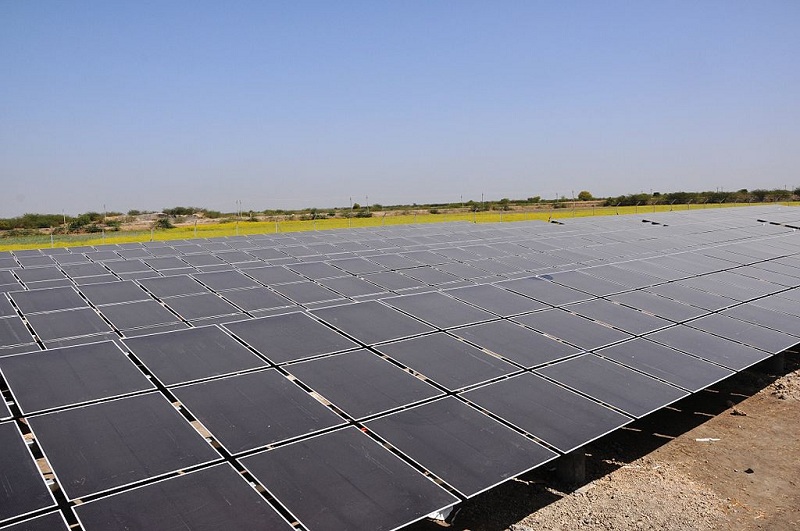
Moser Baer Solar asks Indian central bank to postpone loan repayment
Troubled PV module supplier Moser Baer Solar (MBSL) has asked the Central Bank of India to postpone its loan repayment schedule on claims that its business prospects have been damaged by a deluge of cheap Chinese PV modules that have flooded into the Indian market.
Advertisement


Advertisement

Advertisement