Research & Development

As India scales up solar deployment, innovation is critical to address climate conditions, grid variability, and cost targets. This category features R&D efforts by institutions like NISE, IITs, and CSIR, along with startups and corporate labs pushing the boundaries of PV technology. Topics include improvements in perovskite and TOPCon cells, localized durability testing, AI-based performance analytics, and grid-friendly energy storage systems. We also cover collaborative international research, pilot projects, and innovations tailored to India’s tropical climate, monsoon challenges, and rural electrification needs—laying the groundwork for a resilient, efficient solar future.
Advertisement
Advertisement
Advertisement
Latest News
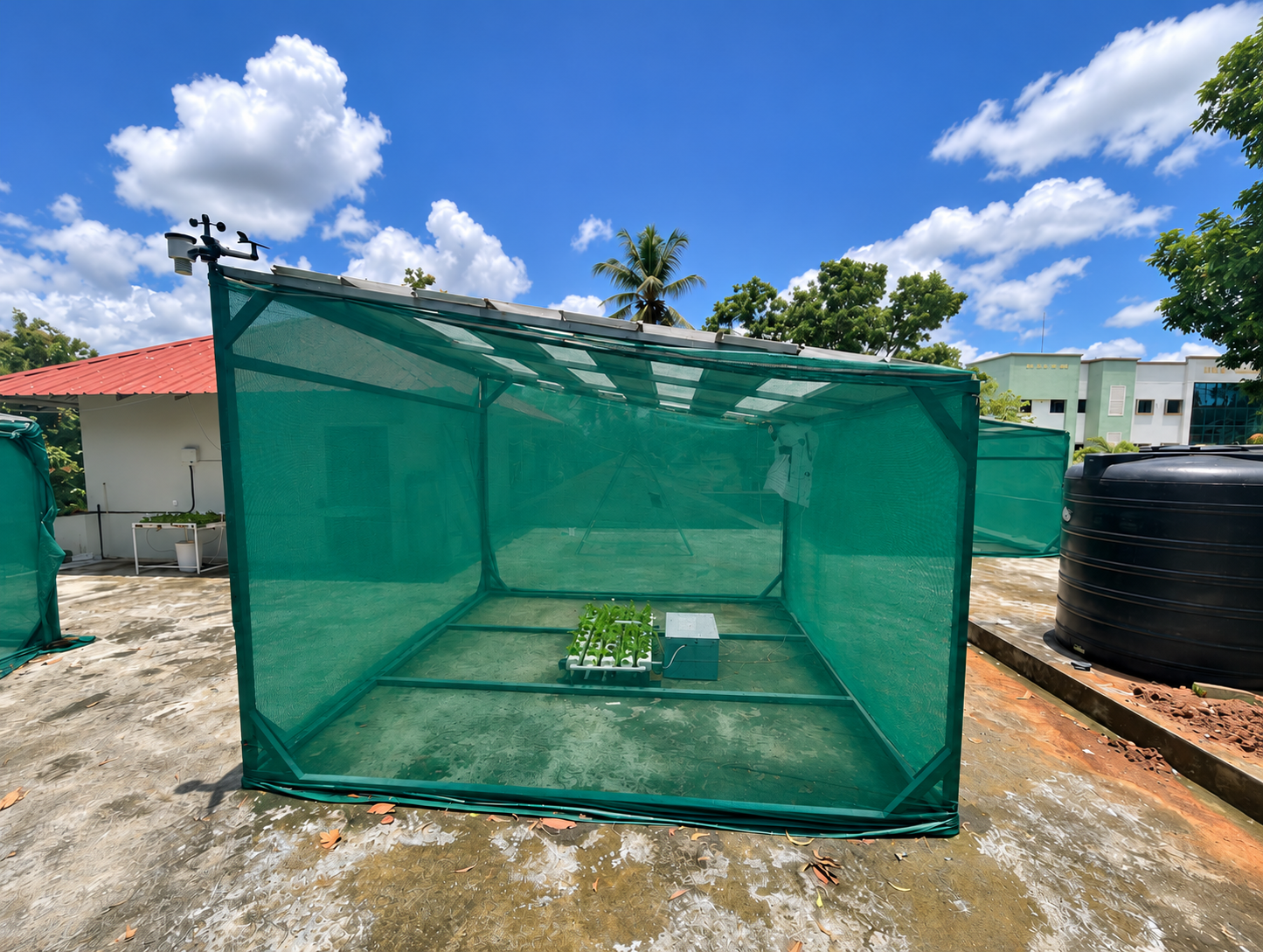
Fresnel-based agrivoltaic system redistributes sunlight beneath solar modules to boost crop yields
Indian researchers have developed a Fresnel-based agrivoltaic system that redistributes sunlight beneath solar modules, increasing spearmint biomass by 13% compared with a conventional configuration. The system improves light uniformity without compromising electricity generation.
Nov 17, 2026
Advertisement
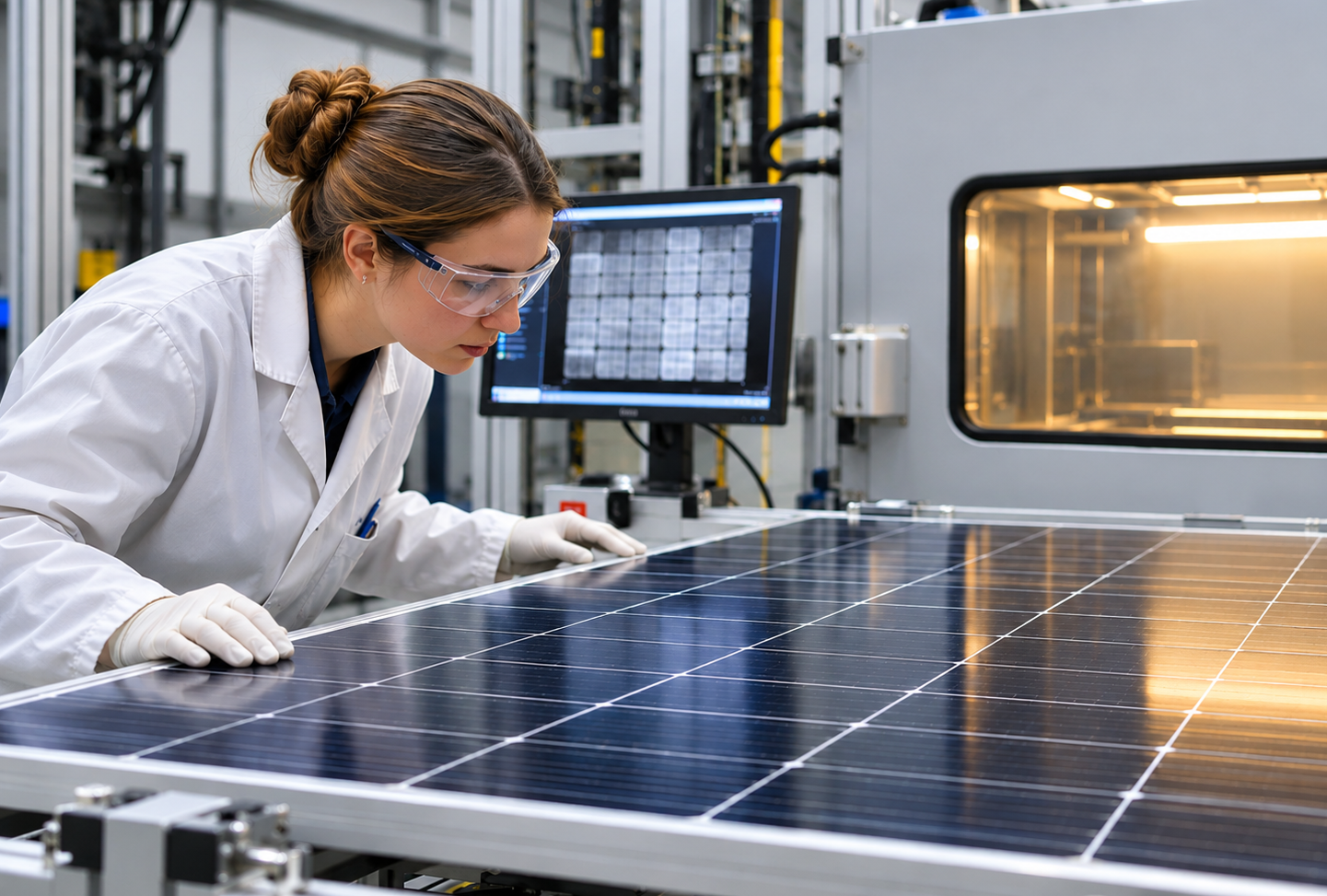
Maintaining trust in new tech
Rapid technological advances, particularly in AI, are challenging traditional approaches to conformity assessment and standardization. International standards bodies are adapting their frameworks to ensure products remain safe, reliable and trustworthy throughout their lifecycles.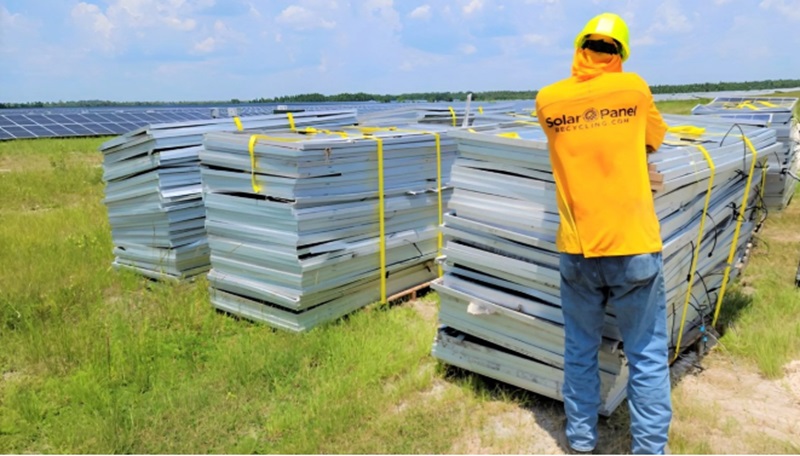
Acid-free molten salt method recovers 94% of silver from solar cells
Researchers in China have recovered 94.34% of the silver from crystalline silicon solar cells using an acid-free molten salt process that detaches the silver as metal, and have identified how to control silicon loss during treatment.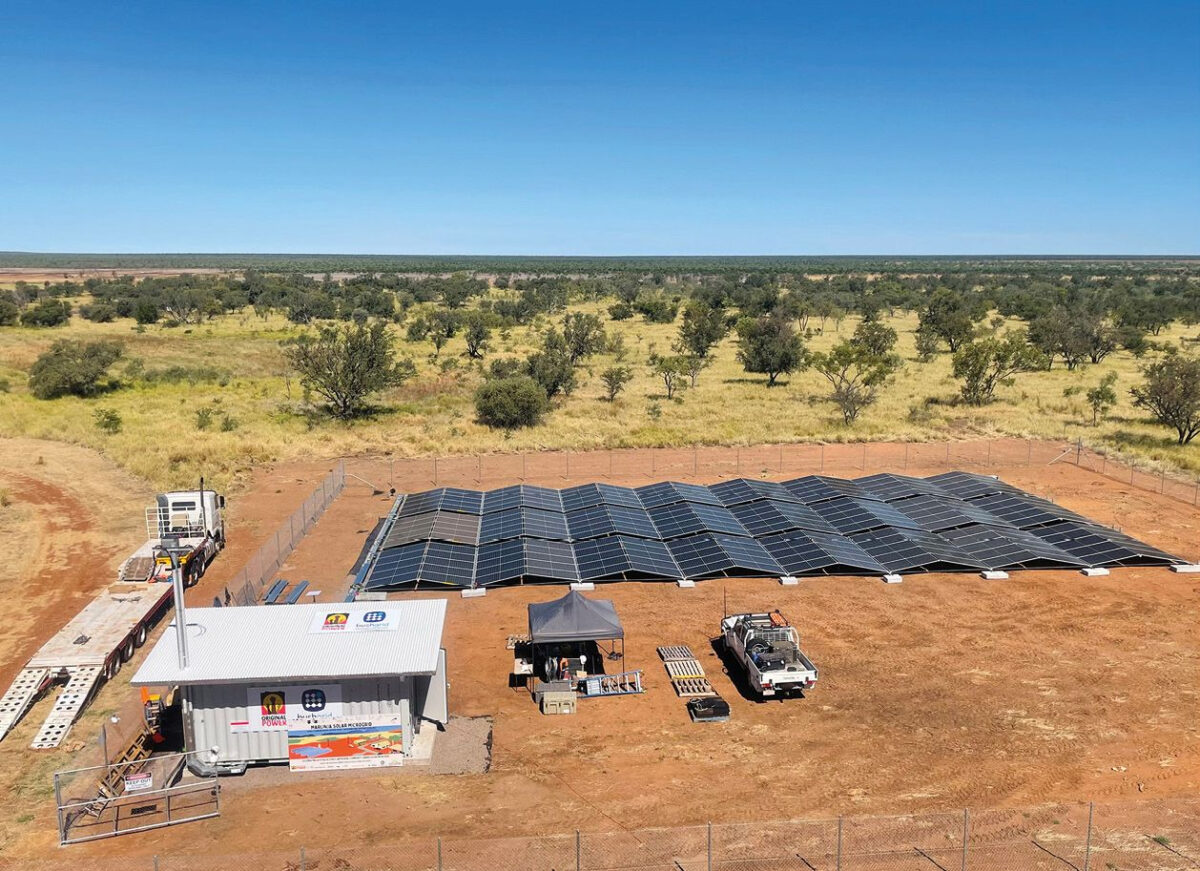
UNSW researchers find east-west ground-mounted PV shows less degradation than single-axis tracking counterparts
Researchers at the University of New South Wales found that east-west ground-mounted PV systems can experience up to 40% lower rates of certain degradation mechanisms than single-axis trackers. Their simulations showed that lower operating temperatures and reduced UV exposure could improve module reliability, particularly in remote installations.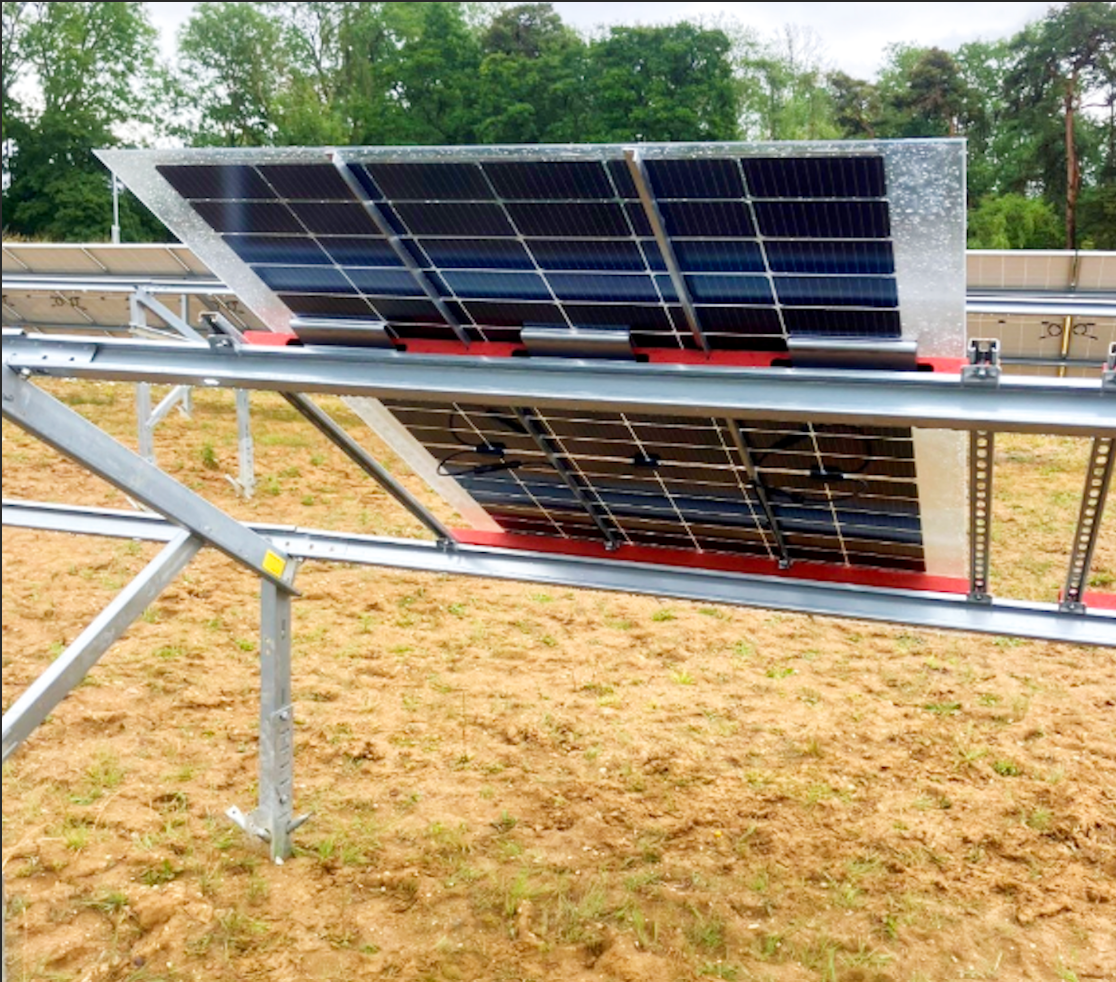
Construction innovations could cut gigawatt-scale solar costs by 22%
Research from Lightsource bp finds combining automated foundation piling, steel-frame solar panels, bolt-free solar module installations and on-site pre-assembly could also reduce installation time of gigawatt-sized solar farms by up to 30%.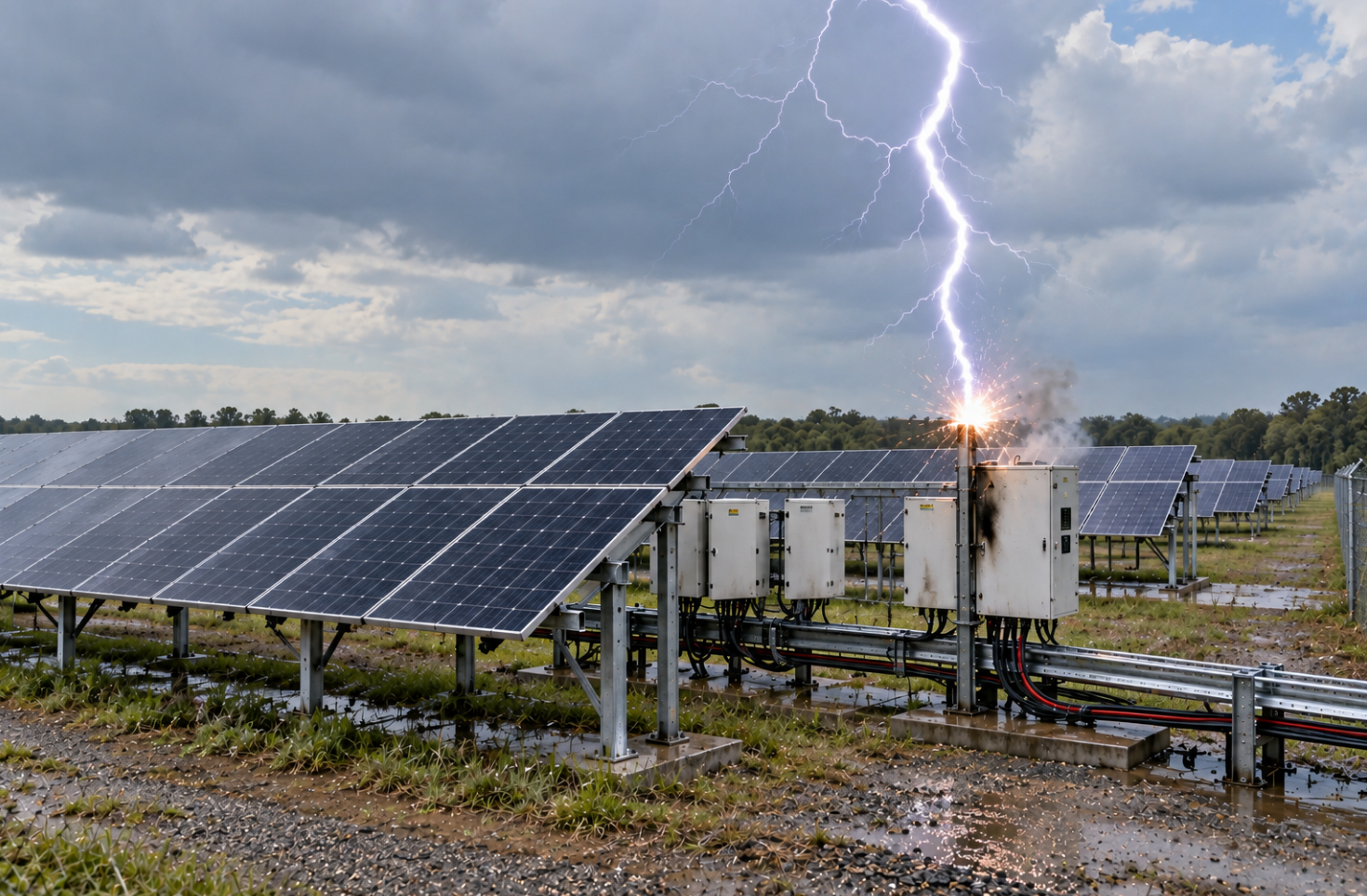
Multiple grounding points cut lightning-induced overvoltage in solar panels by up to 55%
Researchers in Indonesia found that higher soil resistivity significantly increases lightning-induced overvoltage in PV systems. Their simulations also showed that multiple grounding points and connections closer to the lightning strike location can substantially reduce transient voltages.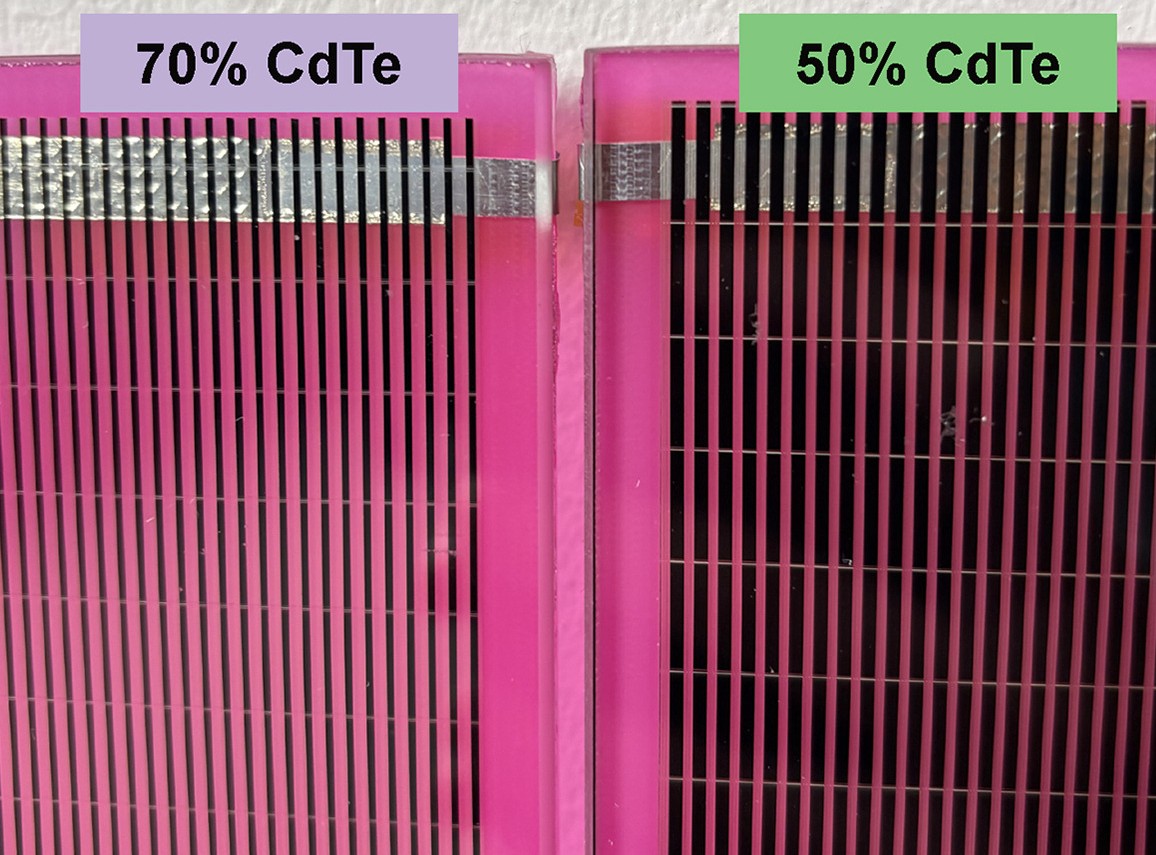
Magenta CdTe solar panels support broccoli cultivation in agrivoltaic trial
Researchers in Sweden and Italy have investigated the performance of semitransparent, magenta-colored cadmium telluride (CdTe) thin-film solar panels designed to transmit wavelengths favorable for broccoli growth. The study found that the panels affected microclimatic conditions, photosynthetic performance, nutrient composition, and overall land productivity.
Advertisement
All Research & Development news

L&T Infotech and GE Digital as IIC members will deploy the Digital Testbed at solar plant in Rajasthan
The Digital Solar Plant Testbed evaluates solutions to accurately predict energy generation, improve utilization and reduce maintenance costs. IIC has estimated that 30% reduction in O&M expenses with the help of accurate forecasting will save around $15 million/year for utilities managers.

Advertisement


Advertisement