Markets & Policy

India’s solar industry is fundamentally shaped by policy frameworks, national goals like the 500 GW renewable energy target, and instruments such as the Production Linked Incentive (PLI) scheme, KUSUM program, and various state-level incentives. This category offers deep analysis and updates on auctions, tariffs, import duties, domestic content requirements, and shifting investment dynamics. We explore how central and state governments collaborate with the private sector to overcome infrastructure, grid, and regulatory challenges—making this one of the world’s most closely watched energy transition markets.
Advertisement
Advertisement
Advertisement
Latest News

Enhancing electrification could reduce India’s energy import bill by more than 40% by FY2035, new analysis finds
India’s energy system is already electrifying. Accelerating that shift could take the share of electricity to 54% of energy demand by FY2035, cutting annual fossil fuel imports from INR 12.5 to INR 7.4 lakh crore, and end direct fossil fuel imports by FY2045, keeping in line with Viksit Bharat 2047 objectives.
6 hours ago
Advertisement
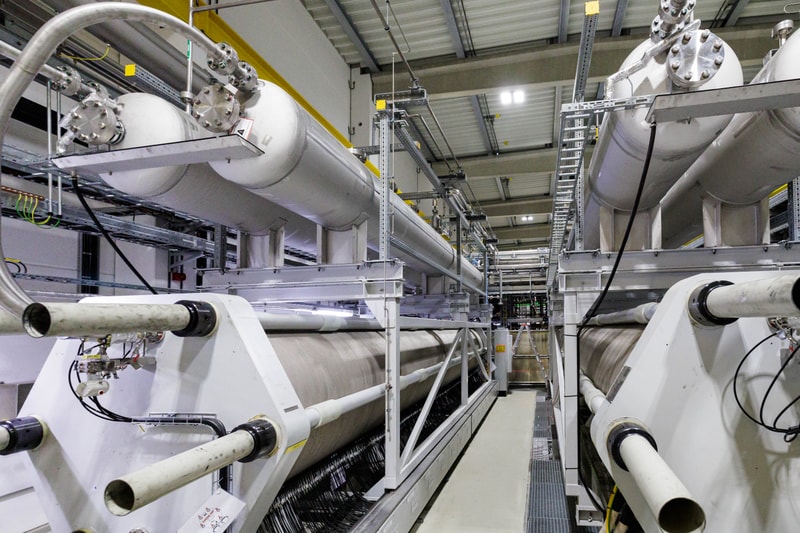

Why India needs a circular battery economy, not just a recycling target
India is rightly measuring its battery ambitions by the capacity it builds. But for a country that still imports almost all of its lithium, capacity cannot be the final measure of success. Every gigawatt-hour installed today holds lithium India has already paid to import once. The question that will define its battery future is how well it can recover that lithium and return it to the cells it makes next.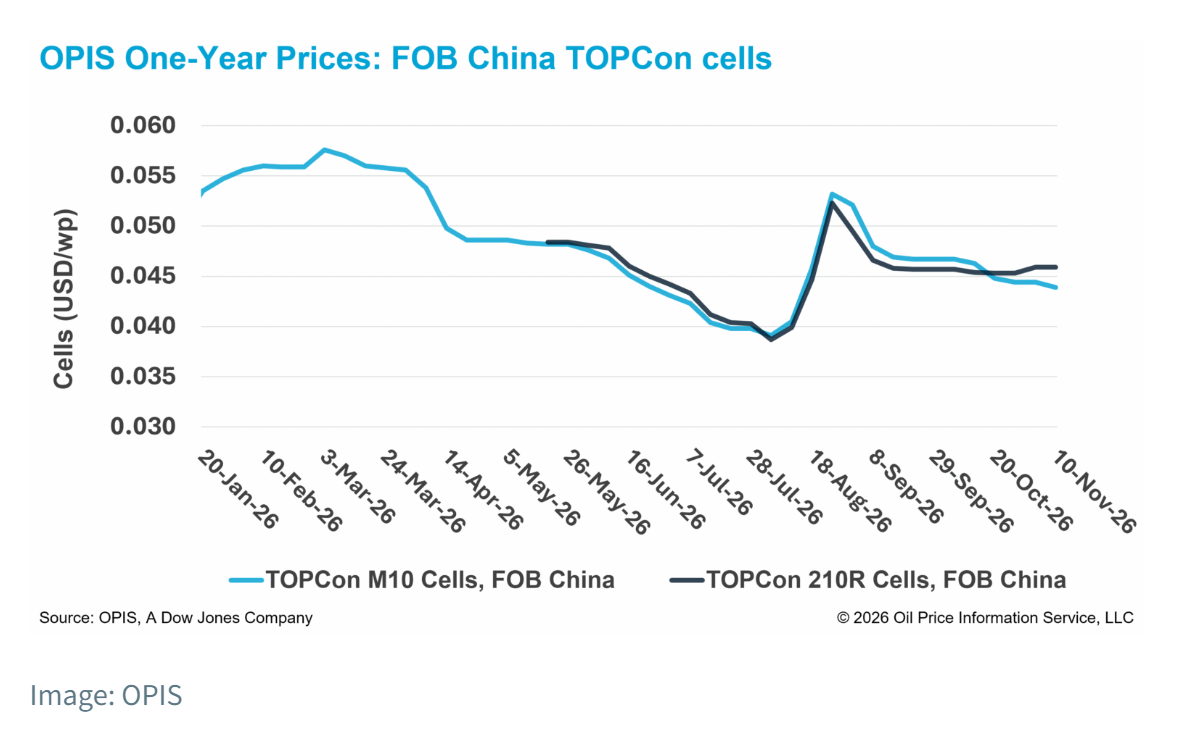


JAKSON targets 3 GW integrated manufacturing capacity by 2028, eyes potential 10 GW ingot-wafer expansion
JAKSON plans to operationalise an initial 3 GW of integrated ingot, wafer and solar cell manufacturing capacity by the end of 2028, with potential expansion to 10 GW for ingots and wafers and 5 GW for solar cells, depending on market conditions. The company plans to adopt TOPCon 3.0 technology, targeting initial cell conversion efficiencies of 25.5% to 25.6%.
Advertisement
All Markets & Policy news



Advertisement


Advertisement

India solar dumping case reaction: “Tariffs are a half-baked measure”
Rahul Gupta, founder and MD of Indian solar developer Rays Experts tells pv magazine that the anti-dumping case lodged against Chinese, Taiwanese and Malaysian solar companies could deliver temporary blow to India’s solar momentum, but in the longer-term it might be best for the sector.

IDFC acquires 190 MW of Indian PV projects from First Solar
The infrastructure fund of IDFC Alternatives has signed an agreement to purchase 190 MW worth of solar PV assets from First Solar Power India, an affiliate of First Solar Group. The projects are located om the states of Andhra Pradesh and Telangana.

Advertisement